Squalane vs MCT Oil
Two light, stable, fast-absorbing oils that feel almost identical on skin — and differ on exactly one thing that matters. Here is what that is, and when each is the better choice.
We may earn a commission if you buy through our links, at no extra cost to you. Prices are pulled live from Amazon and can change. How this works.
MCT oil and squalane get compared because they feel the same. Both are clear, thin, almost odorless, both sink in fast and leave a dry rather than greasy finish, and both are unusually stable for an oil. If someone put drops of each on your forearm you would struggle to tell them apart.
They are, however, different classes of molecule, and the difference has one consequence that matters enormously to a specific group of people and barely at all to everyone else. Quick answer: for most skin, either is a perfectly good lightweight emollient and you should buy whichever is in a product you like. If you manage fungal acne or seborrheic dermatitis, squalane is the clear choice and MCT oil is one to avoid — because *Malassezia* can feed on medium-chain triglycerides and cannot feed on squalane.
First, what MCT oil actually is on a label
MCT stands for medium-chain triglyceride. Healthline's overview describes MCTs as fats with chains of roughly six to twelve carbons, most commonly sourced from coconut or palm kernel oil, and its MCT-versus-coconut-oil explainer makes the key point: MCT oil is a concentrated fraction, not the whole oil. Where coconut oil is dominated by lauric acid (twelve carbons) plus longer saturated fats, commercial MCT oil is largely caprylic acid (eight carbons) and capric acid (ten), which is what makes it liquid at room temperature and thin on the skin.
On a cosmetic ingredient list you will rarely see the words "MCT oil." You will see caprylic/capric triglyceride, which is the same thing under its INCI name, and occasionally fractionated coconut oil, which is the same thing again under a marketing one. It is one of the most widely used emollients in the industry, and it is genuinely good at the job: light, stable, cheap, and excellent at dispersing other ingredients, which is why it so often appears near the top of a list as the vehicle rather than the hero.
That is not an abstraction here. Caprylic/capric triglyceride sits second or third on the published ingredient lists of several products we recommend — it is the second ingredient in the Biossance Squalane + Marine Algae Eye Cream, where squalane is third, and the first ingredient in the Biossance Squalane + Antioxidant Cleansing Oil, where squalane is third of nineteen. If you own squalane products, you almost certainly already own MCT oil.
What squalane is, and the one structural difference
Squalane is not a triglyceride at all. A triglyceride is three fatty acids bonded to a glycerol backbone through ester linkages; squalane is a single 30-carbon saturated hydrocarbon — just carbon and hydrogen, no glycerol, no fatty acids, no ester bonds. It is the hydrogenated version of squalene, a lipid your own skin produces as part of sebum, which is the reason it feels so native on skin. Is squalane an oil? works through why it is technically not one, and squalane vs squalene covers the one-letter distinction.
Everything downstream follows from that structure, including the properties the two share. Both are saturated, which is why both resist oxidation and why neither goes rancid the way rosehip, sunflower or grapeseed oil can. Stability is not a squalane advantage over MCT oil — this is one of the few plant-derived emollients that competes with squalane on shelf life, and it is one reason formulators like it.
The comparison at a glance
The difference that decides it: fungal acne and seb derm
*Malassezia* is a yeast that lives on everyone's skin and that is implicated in fungal acne (malassezia folliculitis) and in seborrheic dermatitis. It feeds by using lipases to cleave ester bonds and free fatty acids, which it then metabolizes. A medium-chain triglyceride is three fatty acids held together by exactly those bonds, and caprylic and capric acid are both within the chain-length range the organism uses. That is why caprylic/capric triglyceride appears on essentially every fungal-acne exclusion list in circulation.
Squalane has no ester bonds and no fatty acids. There is nothing for a lipase to cut and nothing to metabolize. That is the whole mechanism, and it is covered properly in is squalane fungal-acne safe? and applied across our catalog in best fungal-acne-safe squalane — which, notably, excludes every squalane product we cover that also contains caprylic/capric triglyceride. If you are managing seborrheic dermatitis, the same logic applies for the same reason.
If Malassezia is not something you manage, this difference is academic. Caprylic/capric triglyceride is a well-tolerated, well-studied cosmetic emollient used in thousands of products, and there is no general reason to avoid it.
Comedogenicity, and how much to trust the numbers
Squalane is commonly rated 0 to 1 on the comedogenic scale, and that rating is the main reason it is the one facial oil routinely suggested to acne-prone and oily skin. Caprylic/capric triglyceride is usually rated low as well, but consistently a little higher than squalane, and you will find reports of it breaking people out that you do not find for pure squalane.
Two honest caveats. The comedogenic scale itself is a weak instrument — most of the published ratings trace back to rabbit-ear studies on neat ingredients, which is a poor model for a finished formula on a human face, and we say so on is squalane comedogenic?. And a rating on an ingredient tells you very little about a product, because concentration and what else is in the jar change the outcome. The defensible version of this comparison is narrow: squalane is the lower-risk of the two for clog-prone skin, the gap is small, and neither is a high-risk ingredient.
Is MCT oil from the kitchen a face oil?
This is the question behind a lot of the searching, and the answer is no — not because it is dangerous, but because it is the wrong grade of the right idea. Food-grade MCT oil is sold as a dietary supplement and is formulated, filtered and packaged for drinking, not for leaving on facial skin. Cosmetic caprylic/capric triglyceride is purified to a different standard and is what is actually in your products. Swapping one for the other is the same category of mistake as using kitchen coconut oil or olive oil on your face: it will probably be fine and it is not what anyone should recommend.
There is also a simple practical argument. You cannot easily buy caprylic/capric triglyceride as a finished face product, because nobody markets it as one — it is a workhorse ingredient, not a hero. You *can* buy pure squalane in a dropper bottle from several brands at several price points, which means the comparison most readers are actually making is between a squalane oil you can buy and an ingredient you will only ever encounter inside something else.
So which should you use?
- Use squalane if you manage fungal acne or seborrheic dermatitis, you are clog-prone and want the lowest-risk option, or you want a standalone single-ingredient oil you can actually buy and layer.
- MCT oil is fine if it appears as caprylic/capric triglyceride in a product you already like and none of the above applies to you. It is a good emollient and there is no reason to throw out a cream over it.
- Do not substitute kitchen MCT oil for a cosmetic product. Different grade, different purpose, and nothing gained.
- Either way, apply to damp skin. Both are emollients with no humectant action, so both only slow the loss of water that is already there. Squalane on damp skin applies equally to both.
Single-ingredient squalane, if that is the side you want
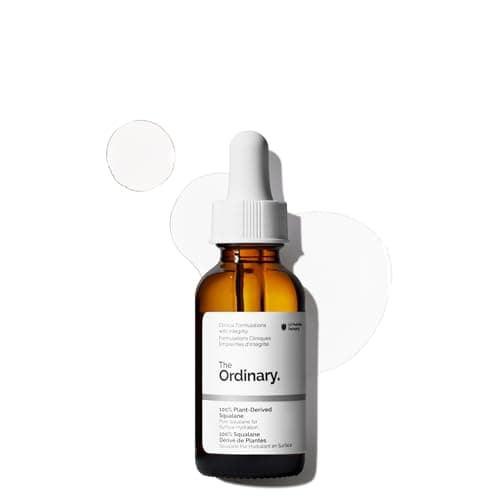
The Ordinary 100% Plant-Derived Squalane
9.2A single-ingredient, plant-derived squalane in a full 30 ml bottle at a low price, stocked almost everywhere — the default pick for most people.
Read our review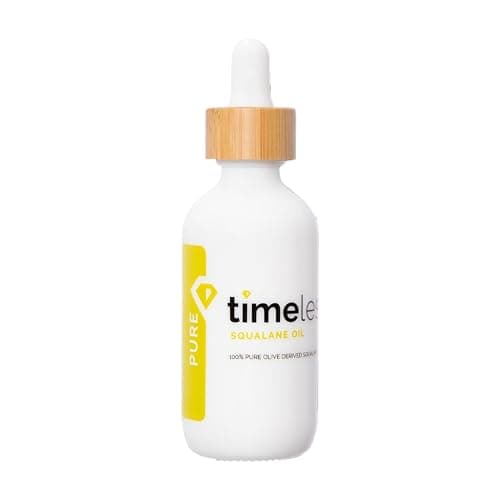
Timeless Skin Care 100% Pure Squalane
9.0A double-size, fragrance-free 100% squalane that usually lands at the lowest cost per ounce of any pick here.
Read our reviewFor the full ranking with cost per ounce computed from the live price and the listed size, see best squalane oil. If you are weighing two specific bottles, the head-to-heads are Biossance vs Timeless, The Ordinary vs Timeless and The Ordinary vs Good Molecules. And for the next oil along in this family, squalane vs hemisqualane covers the lighter, shorter-chain relative that evaporates instead of staying put.
Sources
Frequently asked questions
Is squalane better than MCT oil for skin?
For most skin they are close, and both are light, stable, fast-absorbing emollients. Squalane is the better choice if you manage fungal acne or seborrheic dermatitis, because Malassezia can feed on the fatty acids in a medium-chain triglyceride and cannot feed on a saturated hydrocarbon. It is also rated slightly lower for comedogenicity.
Is MCT oil the same as caprylic/capric triglyceride?
Effectively yes. Caprylic/capric triglyceride is the INCI name for the cosmetic form of medium-chain triglyceride oil, made up mainly of the eight-carbon and ten-carbon fats that MCT oil is concentrated for. Fractionated coconut oil is another name for the same material. Cosmetic grade is purified differently from the food-grade oil sold as a supplement.
Is MCT oil fungal-acne safe?
No. A triglyceride is fatty acids bonded to glycerol through ester linkages, and Malassezia uses lipases to cleave exactly those bonds and metabolize the fatty acids - caprylic and capric acid both fall in the range it can use. That is why caprylic/capric triglyceride appears on essentially every fungal-acne exclusion list. Squalane has no ester bonds and no fatty acids, so it passes.
Can I use food-grade MCT oil on my face?
We would not recommend it. Food-grade MCT oil is filtered, formulated and packaged to be drunk, while the cosmetic grade in your skincare is purified to a different standard for leave-on use. It is the same category of mistake as using kitchen coconut oil as a face oil - probably harmless, and not something to advise.
Does MCT oil clog pores?
It is usually rated low on the comedogenic scale, but consistently a little higher than squalane, and there are more reports of people breaking out from it. Two caveats are worth keeping: the comedogenic scale is a weak instrument built largely on rabbit-ear tests of neat ingredients, and a rating on an ingredient says little about a finished formula.
Do squalane and MCT oil feel different on the skin?
Barely. Both are thin, clear, nearly odorless, absorb in about a minute and leave a dry rather than greasy finish, which is exactly why they get compared. Most people cannot distinguish them by feel. The meaningful differences are chemical rather than sensory.
Is MCT oil more stable than other plant oils?
Yes, and this is a real point in its favor. Both MCT oil and squalane are saturated, so neither has the double bonds that make polyunsaturated oils like rosehip, sunflower and grapeseed oxidize and turn. Stability is not an advantage squalane holds over MCT oil - it is something the two share.
Do any of your recommended products contain both?
Several. Caprylic/capric triglyceride is the second ingredient in the Biossance Squalane + Marine Algae Eye Cream, with squalane third, and the first ingredient in the Biossance Squalane + Antioxidant Cleansing Oil, with squalane third of nineteen. It also appears above squalane in The Outset moisturizer and in two of the Naturium body products. If you own squalane products, you most likely already own MCT oil.
Keep reading
Want the ingredient on its own?
Four single-ingredient squalane oils ranked on purity and cost per ounce, computed from the live price and the listed bottle size.
See the best squalane oils