Squalane for Acne-Prone Skin
An oil for acne-prone skin sounds wrong — but squalane is the exception. Here's the science, then the low-risk picks.
We may earn a commission if you buy through our links, at no extra cost to you. Prices are pulled live from Amazon and can change. How this works.
Putting oil on acne-prone skin feels counterintuitive, but squalane is the oil that earns an exception. It's commonly rated 0–1 on the comedogenic scale, it mimics a lipid your skin already makes, and in its pure form it carries no fragrance to irritate. That combination makes it one of the few facial oils comfortable on breakout-prone skin.
Why squalane suits breakout-prone skin
- Low comedogenic risk — rated 0–1, so it's very unlikely to clog pores. (More in is squalane comedogenic?.)
- Fungal-acne safe — the Malassezia yeast behind fungal acne can't feed on saturated hydrocarbons like squalane.
- Fragrance-free in pure form — removing one of the most common triggers.
- Barrier support — helpful when drying acne actives (retinoids, benzoyl peroxide) leave skin stressed.
Squalane isn't an acne treatment — it won't clear breakouts on its own. What it does well is hydrate and buffer the barrier without adding pore-clogging risk, which makes harsh acne routines more tolerable.
How to use it with acne actives
Apply your treatment (a retinoid or acne serum) first, let it absorb, then use squalane over the top to reduce dryness and flaking. Squalane can act as a buffer that makes retinol easier to tolerate. Keep to a 100% squalane so there's nothing else in the formula to react to.
Our low-risk picks
For acne-prone skin, simpler is safer — single-ingredient squalane with no fragrance or extras.
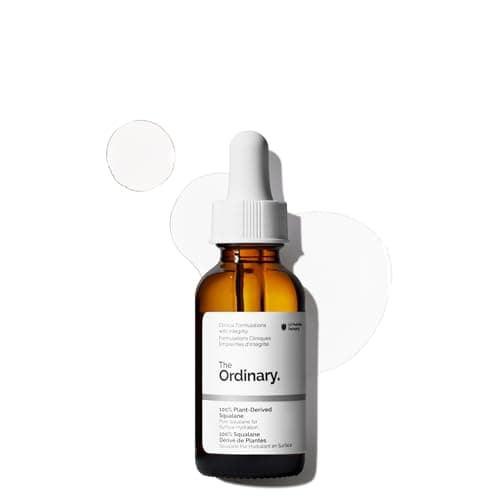
The Ordinary 100% Plant-Derived Squalane
9.2A single-ingredient, plant-derived squalane in a full 30 ml bottle at a low price, stocked almost everywhere — the default pick for most people.
Read our review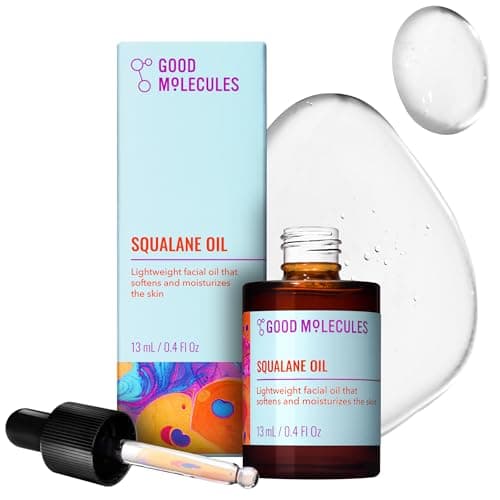
Good Molecules Squalane Oil
8.9The lowest sticker price of any 100% squalane here — but in a 13 ml bottle, so it's the cheapest way to try the ingredient, not the cheapest way to keep using it.
Read our review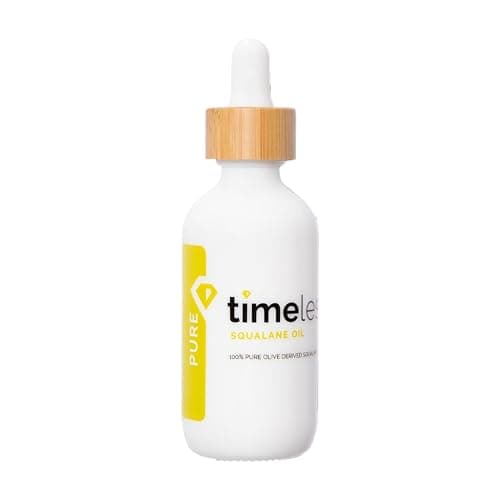
Timeless Skin Care 100% Pure Squalane
9.0A double-size, fragrance-free 100% squalane that usually lands at the lowest cost per ounce of any pick here.
Read our reviewIf the bumps are small, uniform and itchy rather than a mix of sizes, you may be dealing with fungal acne rather than ordinary acne, which responds to completely different treatment. The best fungal-acne-safe squalane covers the ingredient screen and which products pass it.
If you are using a BHA alongside it — and most people on this page are — squalane and salicylic acid covers the order, the timing, and why squalane is the thing that keeps you on the acid past week three.
The commonest reason people abandon an acne treatment is not that it failed — it is that their face was flaking by week three. Squalane is the oil that solves that without undoing the treatment, and squalane and benzoyl peroxide covers the harshest case in detail, including the bleaching warning nobody mentions and why the oil goes second.
The cleanser question comes up constantly alongside this one, and it has a different answer for a different reason: a cleanser is on your face for under a minute before it is rinsed away, so it is judged on contact time rather than on what it leaves behind all night. Is a squalane cleanser good for acne-prone skin? ranks the three we cover on exactly that, and names the one to approach carefully if fragrance is a problem for you.
Sources
Frequently asked questions
Is squalane good for acne-prone skin?
Yes. It's rated 0–1 on the comedogenic scale, fragrance-free in its pure form, and fungal-acne safe, which makes it one of the few facial oils suited to acne-prone skin. It hydrates without adding clogging risk.
Will squalane make me break out?
Pure squalane rarely causes breakouts thanks to its low comedogenic rating. If a squalane product breaks you out, another ingredient in the blend — often fragrance — is the more likely cause.
Can I use squalane with retinol?
Yes. Applying squalane over a retinoid can reduce dryness and irritation, making the retinoid easier to tolerate, without interfering with how it works.