Squalane and Benzoyl Peroxide: Can You Use Them Together?
Yes. Benzoyl peroxide dries skin out by design, and squalane is the rare oil that replaces the moisture without feeding the acne you are treating.

We may earn a commission if you buy through our links, at no extra cost to you. Prices are pulled live from Amazon and can change. How this works.
Yes — benzoyl peroxide first, then squalane on top once the treatment has dried. The reason squalane is the right oil here rather than just an oil is comedogenicity: it is commonly rated 0–1, so it does not add back the pore-clogging risk that you are using benzoyl peroxide to reduce. The cheapest way to do it well is a single-ingredient bottle — The Ordinary 100% Plant-Derived Squalane for a face-only routine, Timeless Skin Care 100% Pure Squalane if you are also treating your back or chest, where benzoyl peroxide gets used in much larger quantities. One warning that matters more than anything else on this page: benzoyl peroxide bleaches fabric, and adding an oil on top does not stop it.
Benzoyl peroxide is the most effective thing most people can buy for inflammatory acne without a prescription, and it is also the harshest. Nearly everyone who uses it properly gets dry, tight, slightly flaky skin in the first few weeks, and a lot of people quit at that point and conclude it did not suit them. Usually what did not suit them was benzoyl peroxide with nothing else — which is a solvable problem.
What benzoyl peroxide does, and why it dries you out
Benzoyl peroxide is an antibacterial that works by releasing oxygen into the pore, which is inhospitable to the bacteria involved in inflammatory acne. MedlinePlus describes it as available over the counter in a range of strengths and forms — washes, gels, creams, foams — and lists dryness, peeling, redness, burning and stinging among the effects people report, along with the warning that it can bleach hair and dyed fabric. It is applied to the whole affected area rather than dabbed on individual spots, which is also why the dryness is so widespread.
That dryness is not incidental damage you can avoid by using less; at a useful dose it comes with the treatment. What you can do is stop losing water at the same rate in between applications, which is precisely what an emollient does.
Why squalane rather than any other oil
This is the part that matters for acne-prone skin, and it is why "just use a facial oil" is bad advice in this specific case. Most plant oils are triglycerides carrying fatty acids, and several of the popular ones sit well up the comedogenic scale — coconut oil being the standing example. Putting one of those on skin you are treating for acne is working against yourself. Squalane is a saturated hydrocarbon, commonly rated 0–1, with no fatty acids in it at all, and it is also considered fungal-acne safe for the same chemical reason: there is nothing in it for Malassezia to feed on. It is, in short, the oil you can use on acne. Squalane vs coconut oil spells out the contrast, and best squalane oil for acne-prone skin ranks the bottles.
The order, step by step
- Cleanse gently and pat dry. If your benzoyl peroxide is a wash, that is this step — rinse it thoroughly.
- Benzoyl peroxide on completely dry skin, a thin layer across the whole area, as directed on the pack.
- Wait until it is dry to the touch. Two to three minutes. This also reduces how much transfers onto your pillowcase.
- Squalane, two or three drops, pressed in. Over a flaking area, press in one drop, wait, then a second.
- Moisturizer on top if you still feel tight. In the first month most people do.
- Sunscreen last in the morning. Benzoyl peroxide makes skin less tolerant of sun, and acne marks darken without it.
Use white towels and old pillowcases for the duration, and keep the squalane bottle away from the benzoyl peroxide tube when you apply — an oily fingertip that has touched the treatment will bleach whatever it touches next. The oil does not neutralize the peroxide.
Does squalane deactivate benzoyl peroxide?
Applied afterwards, there is no reason to think so: by then the treatment is on and in your skin, and squalane is a chemically inert hydrocarbon with nothing in it to react with a peroxide. Applied first, it is a lipid layer between a treatment and the pores it is meant to reach, which is a waste of an active that stings. So the order is not fussiness — it is the one thing to get right. The same principle governs every pairing in this family, including squalane and salicylic acid and squalane and azelaic acid.
Do not mix them in your palm either. Benzoyl peroxide is dose-dependent and sold in specific strengths; diluting it with an unmeasured amount of oil means you no longer know what you applied, and a 2.5% product is already enough for most people.
What to look for when you are buying
- Start benzoyl peroxide at 2.5%. Higher strengths are not more effective in most comparisons — they are more irritating. Save the strength for later if 2.5% genuinely is not working.
- One ingredient on the squalane half. With skin this dried out, a long ingredient list is extra risk for no gain.
- Fragrance-free on both halves. Fragrance is the commonest cause of cosmetic allergic contact dermatitis, and a stinging face mid-treatment is hard enough to diagnose already.
- Buy volume if you are treating your body. A back or chest uses several times what a face does. The 2 fl oz squalane is the sensible size; cost per ounce is the number that matters, not the sticker.
- A fragrance-free cleanser, not a scrub. Scrubbing skin that benzoyl peroxide is already peeling makes it worse, not cleaner.
What to buy for this pairing
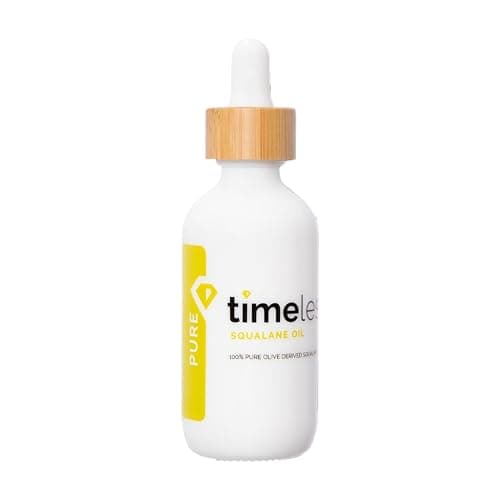
Timeless Skin Care 100% Pure Squalane
9.0A double-size, fragrance-free 100% squalane that usually lands at the lowest cost per ounce of any pick here.
Read our review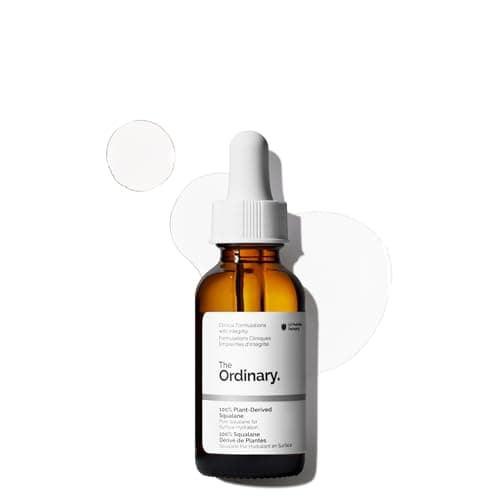
The Ordinary 100% Plant-Derived Squalane
9.2A single-ingredient, plant-derived squalane in a full 30 ml bottle at a low price, stocked almost everywhere — the default pick for most people.
Read our review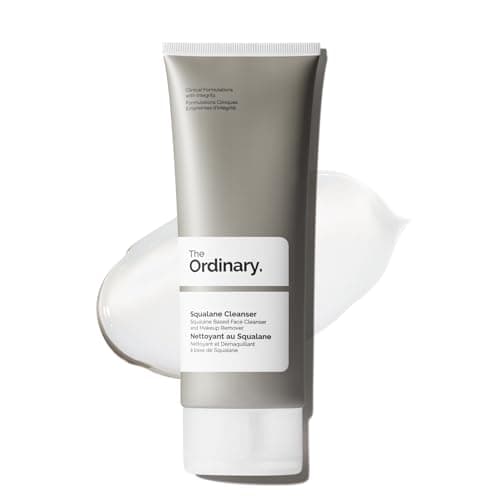
The Ordinary Squalane Cleanser
8.9A squalane-based melting balm cleanser that dissolves makeup and sunscreen without stripping the barrier — the standout squalane cleanser.
Read our reviewWho this pairing suits
Anyone using benzoyl peroxide who has stopped, or wants to stop, because of the dryness — which is most of the people who have ever tried it. It is also the right routine for body acne, where benzoyl peroxide gets applied over a much larger area and the resulting tightness is harder to ignore; squalane's low comedogenic rating and fungal-acne-safe profile are both more valuable on a back or chest than on a face. Best squalane oil for body covers the volume question, and is squalane fungal acne safe? covers the Malassezia side.
If benzoyl peroxide plus a plain emollient still leaves your skin raw after a month, that is a conversation with a clinician rather than a reason to add a fourth product. Acne has several treatments that work and the harshest is not automatically the best one for your skin — a dermatologist can swap you onto azelaic acid or a retinoid, both of which we cover in squalane and azelaic acid and squalane and retinol.
Sources
- MedlinePlus (NIH) — Benzoyl Peroxide Topical: drug information and precautions
- American Academy of Dermatology — Acne: Tips for Managing
- Cleveland Clinic — Squalane: Benefits and How To Use It
- Healthline — Squalane: Benefits, Uses, and Side Effects
- Healthline — Contact Dermatitis: Causes, Symptoms, and Treatment
Frequently asked questions
Can you use squalane with benzoyl peroxide?
Yes, and it is one of the better things to pair with it. Apply benzoyl peroxide to clean dry skin, let it dry fully, then press two or three drops of squalane on top. Squalane is commonly rated 0 to 1 for comedogenicity, so unlike most facial oils it does not add back the pore-clogging risk you are treating.
Which goes on first, benzoyl peroxide or squalane?
Benzoyl peroxide, on completely dry skin, and let it dry before the squalane goes on. The treatment needs to reach the pore; squalane works at the surface. Oil applied first is a lipid layer in the way of an active that stings, which is the one mistake worth avoiding here.
Does squalane cancel out benzoyl peroxide?
There is no reason to think so when it is applied afterwards. Squalane is a chemically inert saturated hydrocarbon with nothing in it to react with a peroxide, and by the time it goes on, the treatment is already on and in your skin. Applying it first is the version that wastes the active.
Why does benzoyl peroxide make my skin peel?
Because that is how it behaves at a dose that works. MedlinePlus lists dryness, peeling, redness, burning and stinging among the reported effects, and it is applied across the whole affected area rather than spot by spot, so the dryness is widespread. Replacing the lost moisture is a better response than using less of the treatment.
Will squalane oil make my acne worse?
It is the facial oil least likely to. Squalane is commonly rated 0 to 1 on the comedogenic scale, contains no fatty acids, and is considered fungal-acne safe because Malassezia cannot feed on saturated hydrocarbons. That is a genuinely different profile from oils like coconut, which sit far higher on the same scale.
Does putting oil on top stop benzoyl peroxide bleaching my towels?
No. Benzoyl peroxide bleaches hair and dyed fabric, and squalane on top does nothing to neutralize it. Use white towels and old pillowcases while you are treating, let the product dry before bed, and wash your hands after applying it.
Can I use benzoyl peroxide and squalane twice a day?
Follow your product's directions for the benzoyl peroxide — many are once or twice daily, and twice is harder on skin. Squalane itself has no limit and can go on morning and night. In the morning, sunscreen goes last, over both.
Keep reading
Pick the oil that will not undo the treatment
Our ranked squalane oil picks for acne-prone skin, each with a live price and cost per ounce.
See the acne-prone picks