Best Squalane Oil for Acne-Prone Skin
Squalane is the rare oil breakout-prone skin can use. The trap isn't the ingredient — it's what brands blend it with.

We may earn a commission if you buy through our links, at no extra cost to you. Prices are pulled live from Amazon and can change. How this works.
If you break out easily, most facial oils are a gamble. Squalane is the exception people keep recommending, and for good reason: it's commonly rated 0–1 on the comedogenic scale, it's a saturated hydrocarbon that the yeast behind fungal acne can't feed on, and it has none of the oleic-acid heaviness that makes richer oils risky. The full reasoning is on is squalane comedogenic?.
So the ingredient is fine. The actual risk is the bottle — because "squalane oil" on the front of a package often means a blend, and it's the coconut derivatives, heavy esters, and fragrance further down the label that cause the congestion people then blame on squalane. Buying well here is mostly about reading ingredient lists, which is exactly what this page is for.
What to check before you buy
- A one-line INCI. "Squalane" and nothing else is the safest possible label for breakout-prone skin. Every added ingredient is another variable.
- No fragrance or essential oils. Fragrance doesn't clog pores, but it's a leading cause of irritation — and irritated skin breaks out more.
- No coconut-derived esters. Coconut oil and several of its derivatives sit high on comedogenic ratings; they're the usual culprit in a "squalane made me break out" story.
- Fungal-acne safe if that's your issue. Squalane itself is; blended oils containing fatty acids and certain esters may not be. See is squalane fungal-acne safe?.
- A small first bottle. If you're unsure how your skin will react, buy the smallest one and patch-test before committing to a large format.
Our picks for acne-prone skin
All three below are single-ingredient or squalane-led formulas with nothing on the label that acne-prone skin typically reacts to. Two are neat oils; the third is a squalane cleansing option for people who'd rather get the ingredient in a rinse-off step than leave an oil on overnight. Live prices are shown on each.
Lowest-risk squalane picks for breakout-prone skin
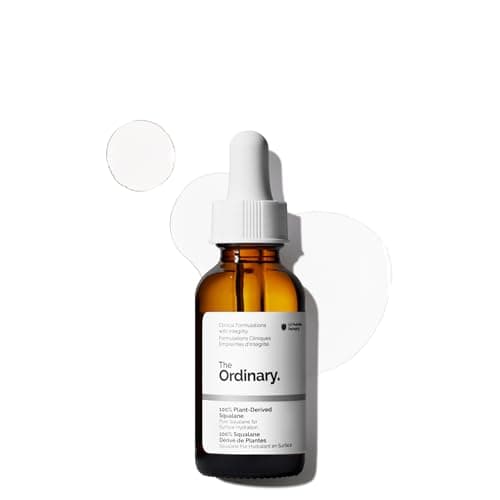
The Ordinary 100% Plant-Derived Squalane
9.2A single-ingredient, plant-derived squalane in a full 30 ml bottle at a low price, stocked almost everywhere — the default pick for most people.
Read our review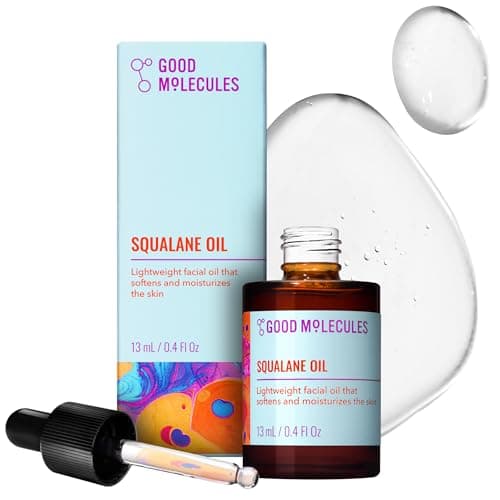
Good Molecules Squalane Oil
8.9The lowest sticker price of any 100% squalane here — but in a 13 ml bottle, so it's the cheapest way to try the ingredient, not the cheapest way to keep using it.
Read our review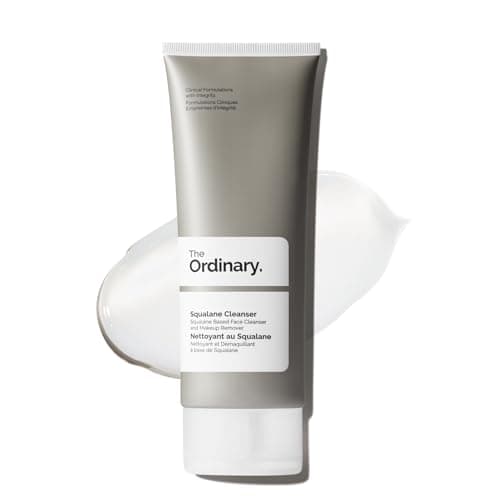
The Ordinary Squalane Cleanser
8.9A squalane-based melting balm cleanser that dissolves makeup and sunscreen without stripping the barrier — the standout squalane cleanser.
Read our reviewThe Ordinary's 100% squalane is the default: one ingredient, no fragrance, and one of the lowest entry prices of any name brand, which makes it a cheap experiment rather than a commitment. Good Molecules is the same proposition at a similarly low sticker price. The squalane cleanser is worth knowing about if leave-on oils make you nervous — you get squalane's slip for removing makeup and sunscreen, then rinse it away. More cleanser options are on best squalane cleanser.
How to introduce it without a breakout scare
- Patch-test for a few days. A small area along the jaw is a reasonable test spot — visible enough to judge, small enough not to matter.
- Start with two drops, at night only. You can build up; you can't un-apply.
- Change one thing at a time. If you add squalane and a new serum in the same week, you'll never know which one caused what.
- Give it two to three weeks. Congestion that appears on day two is usually irritation or coincidence; a genuine reaction to a routine change takes longer to read.
- Apply it last, or mix it into your moisturizer. Squalane goes near the end of a routine, over water-based actives.
Purging is a real phenomenon with actives that speed up cell turnover — retinoids, acids. Squalane doesn't do that. It has no exfoliating or turnover-accelerating action, so it has no purge phase. If you break out on squalane, look at what else changed.
Squalane alongside acne treatment
This is where squalane genuinely earns its place rather than just avoiding harm. Benzoyl peroxide, adapalene, tretinoin, and salicylic acid all work, and all of them dry and irritate skin — which is the single most common reason people abandon a treatment that was starting to help. A weightless, non-comedogenic oil layered over the top buffers that dryness without blocking the active underneath.
The order matters: treatment first, onto clean dry skin, then squalane once it has absorbed. Applying squalane underneath a retinoid can dilute contact; applying it on top is the buffer. Our squalane vs retinol guide covers the pairing in detail, and squalane for acne-prone skin covers the broader case. None of this replaces a dermatologist's plan — squalane manages the side effects of treatment, it doesn't treat acne.
Sources
Frequently asked questions
Is squalane oil safe for acne-prone skin?
Generally yes. Squalane is commonly rated 0 to 1 on the comedogenic scale and is considered fungal-acne safe, which makes it one of the few facial oils suggested for breakout-prone skin. The risk usually comes from other ingredients blended into a product, not from squalane itself.
Which squalane oil is best for acne-prone skin?
A 100% squalane with a single-line ingredient list and no fragrance. That removes every variable except the molecule itself. A small first bottle is sensible so you can patch-test before committing.
Can squalane cause breakouts?
Rarely. Squalane has no exfoliating action so it has no purge phase, and its comedogenic rating is very low. When people break out after adding a squalane product, the cause is usually fragrance, a comedogenic co-ingredient such as a coconut derivative, or another change made at the same time.
Can I use squalane with benzoyl peroxide or a retinoid?
Yes, and it's one of the best reasons to own it. Apply your treatment to clean, dry skin first, let it absorb, then layer squalane on top to buffer the dryness and irritation those actives cause. Squalane manages side effects; it does not treat acne itself.
Should acne-prone skin use a squalane oil or a squalane cleanser?
Either works. A neat oil gives leave-on hydration and buffers treatment dryness; a squalane cleanser gives you the ingredient's slip for removing makeup and sunscreen, then rinses off. People nervous about leave-on oils often start with the cleanser.
Keep reading
Compare the low-risk bottles
Every squalane oil we recommend, with its full ingredient list, live price, and who it suits — including the single-ingredient options.
See the best squalane oils