Squalane vs Retinol: Do You Need Both?
It isn't either/or. Retinol does the active work; squalane keeps skin comfortable while it happens. Here's how the two fit together and the order to layer them.
We may earn a commission if you buy through our links, at no extra cost to you. Prices are pulled live from Amazon and can change. How this works.
If you're weighing squalane against retinol, the honest framing is that they aren't really competitors. Retinol is an active treatment — a form of vitamin A that speeds up skin cell turnover and is used to smooth rough texture, soften the look of fine lines, and help with breakouts. Squalane is a lightweight emollient that hydrates and softens the skin's surface. One does the active work; the other keeps skin comfortable while it happens. For most people the best answer isn't one or the other — it's both, layered in the right order.
The quick version: use retinol for its active benefits, and use squalane to offset the dryness and irritation retinol can cause. Applied over your retinol, squalane acts as a buffer that makes the treatment easier to tolerate — without blocking how the retinol works.
Squalane vs retinol at a glance
What each one actually does
Retinol is a true active. It works by encouraging skin to shed and renew more quickly, which is why it's so widely used for the look of fine lines, uneven texture, and acne. That same activity is also what makes retinol notorious for a rough start: dryness, flaking, tightness, and stinging are common in the first few weeks, especially if you go too hard too fast. It's powerful, but it asks something of your skin in return.
Squalane asks nothing. It's a hydrogenated, shelf-stable version of squalene — a lipid your own skin already makes — and it behaves as a simple emollient: it softens the surface, helps reduce the water your skin loses to the air, and is commonly rated 0–1 on the comedogenic scale, so it's very unlikely to clog pores. In its pure form it carries no fragrance to irritate. That gentleness is exactly what makes it such a good partner for a demanding active like retinol. If you want the fuller background, see what is squalane?.
Retinol also comes in a range of strengths, and gentler starter formats exist for people new to it. Whatever the strength, the pattern is the same: introduce it slowly and support the skin around it. That support is squalane's entire role in this pairing — it isn't trying to do what retinol does, it's making room for retinol to work without your skin protesting.
Why squalane and retinol work together
Retinol's main downside is the dryness and irritation it can cause while your skin adjusts. Squalane is one of the gentlest ways to counter that. Layered over your retinol, it seals in moisture and supports the barrier without a heavy, occlusive feel and without added fragrance — so your skin stays comfortable enough that you can actually keep using the retinol consistently. And consistency is where retinol earns its results.
Just as important is what squalane does not do: it doesn't neutralize or block retinol. It sits on top as a comfort layer rather than getting in the way of the active underneath. That's the difference between a competing ingredient and a complementary one — squalane makes retinol more tolerable while letting it do its job.
This matters most in the first month or two, when retinol irritation tends to peak and a lot of people give up. A soothing emollient layer is often the difference between abandoning retinol during the adjustment period and getting through to the point where it pays off. It stays useful long after that, too: even seasoned retinol users hit cold, dry stretches where a little extra squalane keeps skin comfortable enough to stay consistent.
How to layer squalane and retinol
Order matters, and so does patience. Here's a simple, low-drama way to run the two together at night:
- Cleanse and let your skin dry fully — applying retinol to damp skin can increase irritation.
- Apply a pea-size amount of retinol across the whole face. Start 1–2 times a week and build up slowly as your skin tolerates it.
- Wait a minute or two for it to absorb.
- Press a few drops of squalane over the top to buffer dryness and keep the barrier comfortable.
- Finish with a moisturizer if your skin still feels tight.
There's also the popular sandwich method, which cushions retinol on both sides. Apply a thin layer of moisturizer or squalane first, then your retinol, then squalane (and moisturizer) on top. The buffering layers underneath and over the retinol can noticeably soften its sting, which makes it a good approach for sensitive skin or anyone easing in. Full step order for oils is in how to use squalane oil.
Rule of thumb: start retinol slowly (pea-size, a couple of nights a week) and let squalane do the soothing. If your skin is stinging or peeling, that's a signal to use retinol less often and squalane more — not to push through. Patch-test any new product, and see a dermatologist for persistent irritation or a specific skin condition.
Do you need both?
For most people chasing texture, fine lines, or breakouts, the answer is yes — and they're a genuinely good pair. Retinol delivers the active change; squalane makes the process comfortable enough to stick with. If you only want gentle hydration and aren't ready for an active, squalane alone is a fine place to start. If you're already using retinol and finding it drying, adding squalane is one of the simplest upgrades you can make. Squalane is especially handy alongside drying acne routines, which we cover in squalane for acne-prone skin.
Gentle squalane to pair with retinol
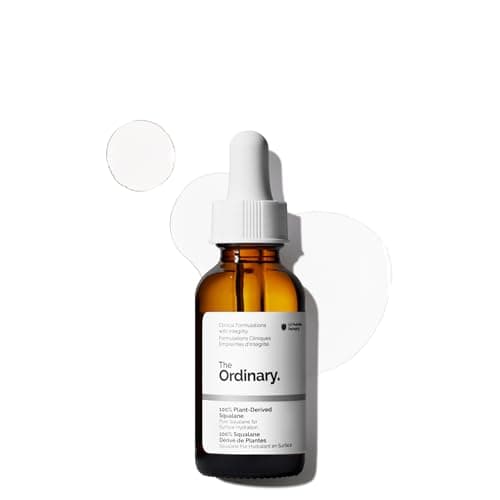
The Ordinary 100% Plant-Derived Squalane
9.2A single-ingredient, plant-derived squalane in a full 30 ml bottle at a low price, stocked almost everywhere — the default pick for most people.
Read our review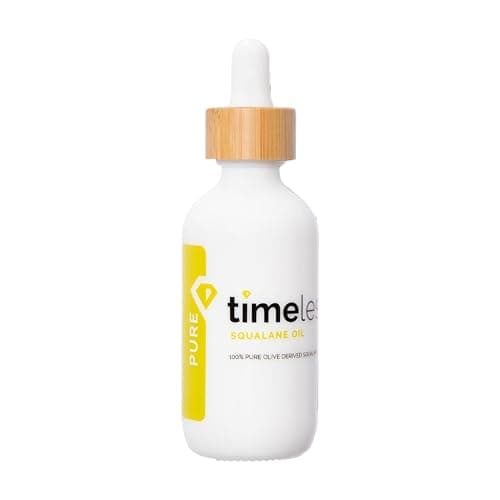
Timeless Skin Care 100% Pure Squalane
9.0A double-size, fragrance-free 100% squalane that usually lands at the lowest cost per ounce of any pick here.
Read our reviewWhat about cost?
Neither of these has to be expensive. Squalane ranges from very affordable budget bottles to pricier premium ones, and a single-ingredient oil is one of the lower-cost ways to make a retinol routine more comfortable — we list the current price and cost per ounce on every squalane oil pick so you can compare like for like. Over-the-counter retinol spans a similarly wide range depending on strength and brand. Because squalane's job here is simply to buffer and seal, you don't need the priciest bottle on the shelf; a plain, fragrance-free squalane does the work just as well as a premium one.
Sources
Frequently asked questions
Can you use squalane and retinol together?
Yes, and it's a common pairing. Apply your retinol first on dry skin, let it absorb, then press squalane over the top. The squalane buffers retinol's dryness and irritation without blocking how the retinol works.
Does squalane make retinol less effective?
No. Squalane is a simple emollient that sits on top of your retinol as a comfort layer. It soothes dryness and supports the barrier, but it doesn't neutralize the retinol underneath or interfere with its activity.
Which goes first, retinol or squalane?
Retinol first, on fully dry skin, then squalane over the top. Some people also use the sandwich method: a light layer of squalane or moisturizer, then retinol, then squalane again to cushion it on both sides.
Do I need both squalane and retinol?
If you want retinol's active benefits, squalane is a helpful partner because it eases the dryness retinol can cause. If you only want gentle hydration, squalane on its own is enough. Start retinol slowly and patch-test any new product.
Keep reading
Ready to pick a squalane?
See our ranked squalane oil picks — each with a live price, cost per ounce, and who it suits.
See the best squalane oils