The Best Retinol in Squalane
Everyone else ranks these by percentage. This page ranks them by what the squalane base does for a retinoid first - no water, six ingredients, nothing in it to sting - and by strength second.
We may earn a commission if you buy through our links, at no extra cost to you. Prices are pulled live from Amazon and can change. How this works.
The pick is The Ordinary Retinol 0.5% in Squalane: six ingredients, squalane first on the list, no water and no fragrance, at the strength most people who have met a retinoid before should be using. The budget pick is The Ordinary 100% Plant-Derived Squalane, which is on this page for a reason that will sound odd until you read the next paragraph - it is the cheapest thing here, it contains no retinol at all, and it is the single most useful thing you can buy alongside one.
Here is the criterion, and it is deliberately not the percentage on the front. Squalane in a retinol product is not a marketing word, it is the base, and three things follow from that. First, a squalane base is anhydrous - there is no water in the bottle - and water is what retinol degrades in, which is why the stable retinol formulas on the shelf are mostly oils rather than lotions. Second, squalane is inert: it has no scent, no sting and no acid in it, so the discomfort you feel from a retinol in squalane is the retinol and nothing else, which makes it far easier to work out your own tolerance. Third, and this is the part nobody mentions, a squalane base is dilutable with more of the same squalane - which turns a 0.5% bottle into whatever strength you need. You cannot do that with an emulsion.
And here is the finding, because it changes the standard advice. The gentlest member of this family - Retinol 0.2% in Squalane, the one every beginner guide points at - came back "Currently unavailable" when we checked the live Amazon listing on 2026-11-16, and it is not in the price table below because we will not feature something you cannot buy. So the honest entry point for a beginner right now is one of two things: the 0.5% used twice a week until your skin stops complaining, or the 0.5% thinned with a few drops of plain squalane on the back of your hand. The second is cheaper per month than the 0.2% ever was, and it works because the thing you are thinning it with is the same thing it is already dissolved in.
The fourth pick is the comparison people actually search for, and it has no squalane in it whatsoever. The Granactive Retinoid 2% Emulsion is the water-based version of the same idea: lighter on the skin, easier to layer under sunscreen, with hydroxypinacolone retinoate alongside the retinol and alpha-bisabolol in there to soothe - and thirty-one ingredients instead of six, with water 13th and squalane nowhere. It is on the page because "retinol in squalane vs emulsion" is one of the most common things typed about this family, and answering it properly means putting the emulsion on the page with its own price and its own honest cons rather than describing it in a sentence.
Before any of that, the part a buying guide has an obligation to put above the fold. Retinoids are the best-studied topical ingredient there is for photoaging and texture, and they are also irritants - dryness, flaking and redness in the first few weeks are the normal course, not a sign of damage, and they are also the reason most people quit. Use them at night, use sunscreen in the morning, start at twice a week, and do not layer a new retinoid with acids in the same routine while you are finding your footing. If you are pregnant, breastfeeding, or already using a prescription retinoid, do not take a web page's word for any of this - including ours - and ask a clinician.
How we picked: we don't run a lab and we don't claim to. We read every ingredient list, compiled the published specs, and computed the cost per ounce below. See our full method.
Quick picks
Our ranked shortlist. Tap a row for the full review, or the price to buy.
| # | Product | Best for | Score | Price |
|---|---|---|---|---|
| 1 | 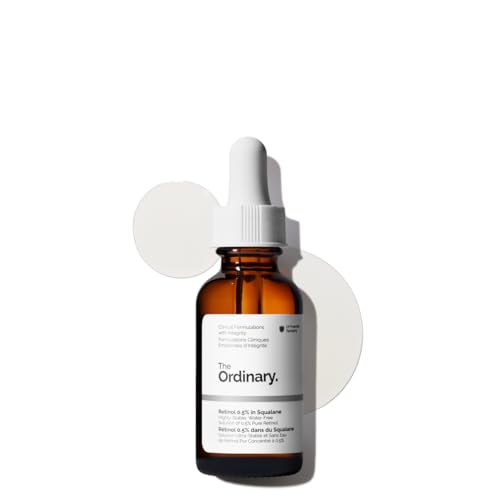 The Ordinary Retinol 0.5% in Squalane The middle strength of the family and the one to buy first: 0.5% retinol in a six-ingredient, water-free squalane base, with squalane itself first on the list. | Best retinol in squalane overall | 8.6 | |
| 2 | 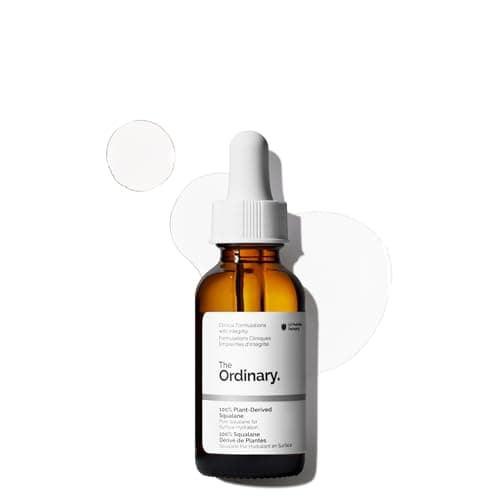 The Ordinary 100% Plant-Derived Squalane A single-ingredient, plant-derived squalane in a full 30 ml bottle at a low price, stocked almost everywhere — the default pick for most people. | Best overall value | 9.2 | |
| 3 | 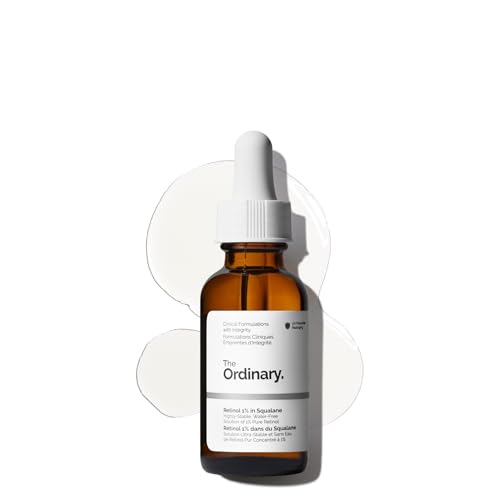 The Ordinary Retinol 1% in Squalane The same six-ingredient squalane base at twice the retinol. Buy it only if you have used 0.5% for months without irritation — it is a step up in strength, not in formulation. | Highest strength in a squalane base | 7.9 | |
| 4 | 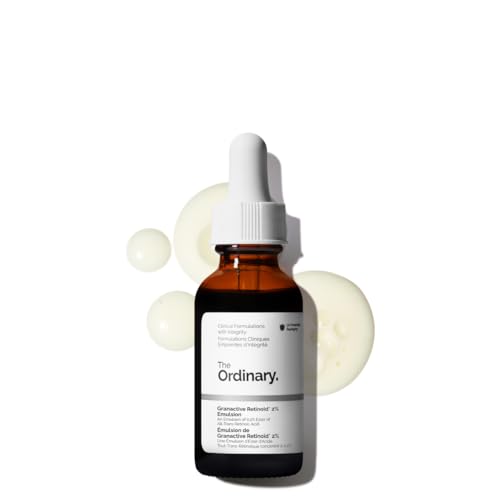 The Ordinary Granactive Retinoid 2% Emulsion The emulsion half of the comparison people actually search for. Lighter and less sticky than an oil-based retinol, with hydroxypinacolone retinoate alongside the retinol — and thirty-one ingredients instead of six, with no squalane in any of them. | The no-oil alternative to a retinol in squalane | 7.0 |
The Ordinary Retinol 0.5% in Squalane
8.6The middle strength of the family and the one to buy first: 0.5% retinol in a six-ingredient, water-free squalane base, with squalane itself first on the list.
- Purity
- Squalane 1st of 6 ingredients
- Source
- Retinol dispersed in plant-derived squalane
- Size
- 1 fl oz (30 ml)
- Cost / oz
- $9.30/oz
- Best for
- Best retinol in squalane overall
What we like
- Squalane 1st of 6 — the highest squalane position on this site outside a 100% squalane oil
- Water-free and anhydrous, which is how a retinol formula stays stable in the bottle
- Six ingredients total, no fragrance, no alcohol, nothing added to make it feel nicer
- 0.5% is the strength most people should start at if they are not completely new to retinoids
- Cheapest of the three retinoids we cover at checkout
Keep in mind
- Retinol is an irritant: expect dryness, flaking or redness while your skin adjusts, and build up slowly
- An oil-based retinol goes on last, which limits what you can layer over it
- Opaque bottle but a dropper, so the formula meets air every time you open it
- Not the strength to start with if you have never used a retinoid at all
Skip it if you are pregnant or breastfeeding, if you already use a prescription retinoid, or if your skin is actively compromised — and ask a clinician rather than a web page about any of those.
Price as of November 21, 2026. Prices set by Amazon and change.
#ad · How we make money
The Ordinary 100% Plant-Derived Squalane
9.2A single-ingredient, plant-derived squalane in a full 30 ml bottle at a low price, stocked almost everywhere — the default pick for most people.
- Purity
- 100% squalane
- Source
- Plant-derived (sugarcane)
- Size
- 1 fl oz (30 ml)
- Cost / oz
- $10.40/oz
- Best for
- Best overall value
What we like
- 100% squalane, no fillers or fragrance
- One of the lowest entry prices of any name-brand squalane
- Sugarcane-derived and vegan
- Widely stocked, easy to repurchase
Keep in mind
- Small 30 ml bottle
- Simple dropper rather than an airless pump
Skip it only if you want a large-format bottle or airless packaging for oxidative stability.
Price as of November 21, 2026. Prices set by Amazon and change.
#ad · How we make money
The Ordinary Retinol 1% in Squalane
7.9The same six-ingredient squalane base at twice the retinol. Buy it only if you have used 0.5% for months without irritation — it is a step up in strength, not in formulation.
- Purity
- Squalane 1st of 6 ingredients
- Source
- Retinol dispersed in plant-derived squalane
- Size
- 1 fl oz (30 ml)
- Cost / oz
- $9.90/oz
- Best for
- Highest strength in a squalane base
What we like
- The strongest plain retinol we cover in a squalane base
- Identical six-ingredient, water-free formula to the 0.5% — nothing is traded away for the extra strength
- Squalane 1st of 6, same as the gentler version
- Still inexpensive for a high-strength retinol
Keep in mind
- 1% is a high-strength retinol: irritation, peeling and sensitivity are likely rather than possible
- The brand itself positions this as high-strength, not as a starting point
- No added soothing ingredients at all — six ingredients means nothing in there to buffer it
- Costs more than the 0.5% for the same volume and the same base
Skip it unless you have run 0.5% for months with no trouble. Skip it entirely if you are pregnant or breastfeeding, or already on a prescription retinoid — speak to a clinician first.
$11.9017% off
Price as of November 21, 2026. Prices set by Amazon and change.
#ad · How we make money
The Ordinary Granactive Retinoid 2% Emulsion
7.0The emulsion half of the comparison people actually search for. Lighter and less sticky than an oil-based retinol, with hydroxypinacolone retinoate alongside the retinol — and thirty-one ingredients instead of six, with no squalane in any of them.
- Purity
- No squalane anywhere on the list
- Source
- Water-based emulsion — no squalane
- Size
- 1 fl oz (30 ml)
- Cost / oz
- $12.10/oz
- Best for
- The no-oil alternative to a retinol in squalane
What we like
- A light, water-based texture that layers under other products, unlike an oil
- Pairs retinol with hydroxypinacolone retinoate, a retinoic-acid ester rather than another retinol
- Alpha-bisabolol on the list as a soothing ingredient, which the squalane versions do not have
- The right pick if an oil-based retinol breaks you out or pills under sunscreen
Keep in mind
- No squalane anywhere on its 31-ingredient list — the opposite of what the in-squalane versions do
- Thirty-one ingredients against six, for the same job
- Water-based, so stability depends on the preservative system rather than on the absence of water
- The brand publishes no retinoic-acid-equivalent figure, so "2%" is not comparable to a 2% retinol
Skip it if you came here for the squalane: this is the page's counterpart, not its pick. Skip it, like any retinoid, if you are pregnant or breastfeeding.
Price as of November 21, 2026. Prices set by Amazon and change.
#ad · How we make money
Cost per ounce, compared
Computed from the current Amazon price and the listed size. Prices as of November 21, 2026 and set by Amazon.
Why the 0.5% wins, in the terms this page is ranked on. Its base is squalane at position one of six, which is the highest squalane position anywhere on this site outside a bottle of 100% squalane - higher than any serum, cream, cleanser or balm we cover. The list is squalane, caprylic/capric triglyceride, jojoba seed oil, BHT, retinol, tomato fruit extract, and that is the whole formula: no water for the retinol to break down in, no alcohol, no fragrance, nothing added to improve the feel. At 0.5% it is strong enough to do something and gentle enough that most people get through the adjustment period, and it is the cheapest of the three retinoids here at checkout. The honest cons: a dropper bottle meets air every time you open it, an oil-based retinol goes on last so there is not much you can layer over it, and 0.5% is still too strong as a first-ever retinoid for some people.
Why a bottle of plain squalane is the second pick on a retinol page. Three jobs, all of them real. It thins the retinol, which is how you get a beginner strength out of a bottle you can actually buy - a drop or two of the retinol plus a drop or two of squalane, mixed on the back of your hand. It buffers the retinol, which is the same trick applied in the other direction: plain squalane first, retinol over the top, so the active meets skin through a layer of emollient rather than directly. And it is what you reach for on the nights in between, when your skin has had enough and needs the base without the active. It is also the cheapest thing on this page by a wide margin and the lowest cost per ounce, which is why it is the budget pick. The obvious con is that it does nothing a retinoid does - it is an emollient, not an active, and our squalane and retinol pairing guide is the longer version of all three uses.
The 1% is third, and third is a deliberate placement rather than a ranking of quality. It is the identical formula - the same six ingredients in the same order, the same water-free squalane base - with twice the retinol in it, and the brand positions it as high-strength rather than as somewhere to begin. If you have run 0.5% nightly for several months without irritation, this is the sensible next bottle and it costs very little more. If you have not, buying it will almost certainly cost you two weeks of peeling and a resolution never to use a retinoid again, which is the most expensive outcome on this page. There is nothing in these six ingredients to buffer the extra strength, because there are only six ingredients.
The emulsion is fourth, and it is fourth on this page's criterion rather than on merit. On its own terms it is a good product and in two situations it is the better buy: if an oil-based retinol pills under your sunscreen, or if your skin does not get on with oils on the face at all, the emulsion solves a problem the squalane versions cannot. Its texture is lighter, it layers under other things, and alpha-bisabolol on the list is a soothing ingredient the in-squalane formulas do not have. But it carries no squalane at any of its thirty-one positions, water sits 13th, and the "2%" refers to a Granactive Retinoid complex whose retinoic-acid equivalence the brand does not publish - so it is not comparable to a 2% retinol, and anyone who tells you it is does not have a number to show you. On the criterion this page ranks by, a formula with no squalane in it finishes last by definition, and we would rather say that plainly than bury it.
How to actually start, because this is where most retinol purchases go wrong. Two nights a week for two weeks, on dry skin, after cleansing, as the last step. A pea-sized amount for the whole face - these are oils, so you need less than you think - kept away from the corners of your eyes, your nostrils and the corners of your mouth, where skin is thinnest and complains first. If you get through two weeks comfortably, go to three nights. On the nights in between, moisturizer or plain squalane and nothing else. Sunscreen every morning without exception, because a retinoid thins the stratum corneum while your skin adjusts. If you are flaking, do less rather than more, and do not try to fix retinol flaking with an acid exfoliant - that is the single most common way people turn an adjustment period into a barrier problem. Our guides on layering squalane and squalane with tretinoin cover the routine in more detail, and the tretinoin one applies just as well to a strong over-the-counter retinol.
One last word on cost, because the table below understates these products. All four are 1 fl oz, so cost per ounce is directly comparable for once - but you use a pea of a retinoid two or three nights a week, not twice a day, so a 30 ml bottle of any of them is months of use. The practical consequence is that the price difference between the cheapest and the most expensive thing on this page is small enough to ignore, and you should buy on strength and base rather than on price. The one genuine value argument here belongs to the plain squalane: it is the cheapest bottle, it has the longest list of uses, and it is the only one you will also put on your hair ends, your cuticles and your body.
Frequently asked questions
What is the best retinol in squalane?
The Ordinary Retinol 0.5% in Squalane. Six ingredients with squalane first, no water for the retinol to degrade in, no fragrance or alcohol, and a strength most people can get through the adjustment period on. It is also the cheapest of the retinoids we cover at checkout. The 1% version is the same formula at twice the strength and is the next bottle, not the first one.
Is retinol in squalane better than retinol in an emulsion?
For stability and simplicity, the squalane base has the better case: it is water-free, and water is what retinol degrades in, and the formula is six ingredients against thirty-one. For texture and layering, the emulsion wins - it is lighter and sits under sunscreen more happily. Neither is stronger than the other at the same retinol percentage; they are different carriers for the same active.
Which strength of retinol in squalane should a beginner buy?
Normally 0.2%, but that listing returned "Currently unavailable" when we checked on 2026-11-16, so the practical answer today is the 0.5% used twice a week - or the 0.5% thinned with a few drops of plain squalane, which is possible precisely because the base is squalane. Build up to three nights a week only once two nights are comfortable.
Can you mix squalane oil with retinol?
Yes, and it is one of the better reasons to own a bottle of plain squalane. Mixed together on the back of your hand, the squalane thins the retinol to a lower effective strength. Applied first and the retinol over the top, it buffers it instead. Both are standard ways to use a retinoid you find too strong, and both work because squalane is already the carrier in these formulas.
Does squalane make retinol less effective?
Diluting a retinol does reduce the dose your skin receives, which is the point when you are buffering deliberately. What squalane does not do is deactivate retinol or react with it - it is an inert, saturated emollient, which is why formulators use it as a carrier in the first place. Applied on separate nights it has no effect on the retinol at all.
Does the Granactive Retinoid 2% Emulsion contain squalane?
No. Its published list runs to thirty-one ingredients with water 13th, and squalane does not appear at any position. The brand previously sold a Granactive Retinoid in a squalane base; the product on Amazon under that name today is the emulsion. It is on this page as the named counterpart to the squalane versions, not as a squalane product.
Is 2% Granactive Retinoid stronger than 1% retinol?
There is no published figure that lets anyone answer that honestly, and we are not going to invent one. "2% Granactive Retinoid" refers to a complex containing hydroxypinacolone retinoate, a retinoic-acid ester, not to 2% retinol, and the brand does not publish a retinoic-acid equivalence for it. Treat the two as different actives at unknown relative strength rather than as a ladder.
Can you use retinol in squalane while pregnant?
Topical retinoids are generally advised against in pregnancy and while breastfeeding, and this is not a question to settle from a buying guide - ours included. Ask your obstetrician or a dermatologist. Plain squalane with no retinol in it is a different matter entirely and is one of the reasons this page carries a bottle of it.
Should retinol in squalane go on before or after moisturizer?
These are oils, so they go on last in a routine - over a moisturizer rather than under one, or straight onto dry skin if you are not using a moisturizer underneath. That is the opposite of the emulsion, which is water-based and layers underneath. Putting an oil under a cream does not stop it working, but the cream will not absorb through it well.
How long does a 30 ml bottle of retinol in squalane last?
Months, at the dose these need. A pea-sized amount covers a whole face, and most people use a retinoid two to four nights a week rather than daily, so a 1 fl oz dropper bottle is a long time. Buy on strength and base rather than on the price difference between them, which is small relative to how long each bottle lasts.
Sources
- Cleveland Clinic — Retinol: What It Is, Benefits and How To Use It
- American Academy of Dermatology — Retinoid or Retinol?
- Cleveland Clinic — Squalane: Benefits for Skin and Hair
- SkinCarisma — The Ordinary Retinol 0.5% in Squalane, published ingredient list
- SkinCarisma — The Ordinary Granactive Retinoid 2% Emulsion, published ingredient list
Keep reading
Pairing it with the rest of your routine?
Our squalane and retinol guide covers buffering, thinning, which nights to skip, and what not to layer with either.
Read the pairing guide