Squalane with Tretinoin: How to Use Them Together
The hard part of tretinoin is the first six weeks. A single-ingredient oil is the cheapest, least complicated way through them — used in the right position, and alongside your prescriber's instructions.
We may earn a commission if you buy through our links, at no extra cost to you. Prices are pulled live from Amazon and can change. How this works.
Yes, squalane and tretinoin can be used together, and squalane is one of the better things to pair with it. The default order is tretinoin on clean, dry skin, wait twenty to thirty minutes, then press squalane on top. If your skin is stinging or peeling, switch to the buffer: squalane first, tretinoin over it, which slows how fast the drug reaches the skin. The pick is plain 100% squalane — one ingredient, no fragrance, no pH, nothing to complicate a prescription you are already adjusting to.
Tretinoin is a prescription medicine. Your prescriber's instructions outrank anything on this page, and we are not able to give medical advice. If you are pregnant, trying to conceive or breastfeeding, tretinoin is generally avoided — that decision belongs with your doctor, not a skincare site.
Why this question comes up constantly: tretinoin works, and its early side effects are brutal enough that a large share of people quit before they see the benefit. Dryness, flaking around the nose and mouth, tightness, stinging on application and a few weeks of looking worse before looking better — the retinization period. The standard mitigations are using less, using it less often, and moisturizing properly. Squalane is directly useful for the third, and it is the ingredient most often recommended for it because there is so little in the bottle.
Why squalane rather than a cream
- One ingredient. Skin going through retinization behaves like sensitive skin. A single-ingredient oil introduces no fragrance, no preservative system you are not already using, and no second active.
- No pH and no activity of its own. Squalane cannot destabilise tretinoin or compete with it chemically. It is inert.
- Rated 0–1 for comedogenicity, and considered fungal-acne safe, so it does not swap dryness for congestion — which matters if you are on tretinoin for acne in the first place.
- Light enough to use in the morning too, unlike a heavy occlusive balm, so the dryness is managed around the clock rather than only at night.
- Diagnostically clean. If something stings, you know which product it was not.
It is also worth knowing that squalane is a common vehicle for retinoids by design — "retinol in squalane" exists as a product format because squalane is stable, inert and non-irritating. That is the same property being exploited when you layer it manually.
The methods, and when to use each
Seal (default, once your skin has settled)
Cleanse, dry your face fully, apply your pea-sized dose of tretinoin, wait twenty to thirty minutes, then press two or three drops of squalane over the top. The wait matters more with tretinoin than with over-the-counter retinol: applying anything immediately on top spreads the drug around and can push it into areas you deliberately avoided.
Buffer (for the first weeks, or any time it stings)
A thin layer of squalane on clean, dry skin first, then the tretinoin on top. You are slowing absorption on purpose. This reduces irritation and costs some intensity — a trade worth making, because consistency over months is what produces results and nothing is produced by a tube you stopped using.
Sandwich (when flaking has already started)
Squalane, tretinoin, squalane. The most cushioned option. Use it through the worst of the peeling, then step back to sealing. Ask your prescriber before you make buffering your permanent routine, because they prescribed a strength on the assumption of how it would be applied.
The non-negotiables around it
- Sunscreen, daily. Tretinoin makes skin more sun-sensitive and the drug information says so explicitly. Broad-spectrum SPF every morning is part of the treatment, not an optional extra.
- A pea-sized amount for the whole face. More does not work faster; it only irritates.
- Avoid the eyelids, nostril creases and lip line, and don't apply to broken or sunburned skin.
- Don't stack other actives while you adjust. No acids, no scrubs, no benzoyl peroxide in the same step unless your prescriber told you to.
- Give it months. Early worsening is common; judging it at four weeks is judging the retinization, not the result.
What to look for when you buy
The specification is the narrowest on this site: 100% squalane, single ingredient, fragrance-free. No essential oils, no botanicals, no acids, no vitamin C, no added actives of any kind. Everything extra is a variable layered onto skin that is already being chemically remodelled, and fragrance in particular is the most common cause of cosmetic allergic contact dermatitis — exactly what you do not want next to a retinoid.
After that it is about volume. Tretinoin dryness is rarely confined to one patch, so you will use more squalane than you would for a normal routine, and the pure oils are the same molecule in different-sized bottles. A bigger bottle is usually far cheaper per ounce. If your skin is not just dry but visibly compromised — rough, tight, reactive to things it used to tolerate — a fragrance-free ceramide-and-cholesterol cream does something a plain oil cannot, and is the one product on this page worth a premium.
What to buy alongside a tretinoin prescription
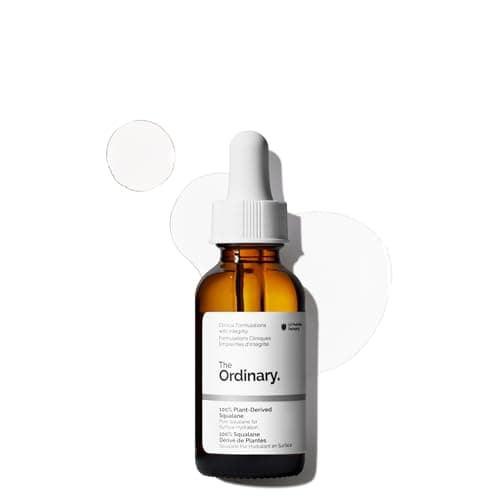
The Ordinary 100% Plant-Derived Squalane
9.2A single-ingredient, plant-derived squalane in a full 30 ml bottle at a low price, stocked almost everywhere — the default pick for most people.
Read our review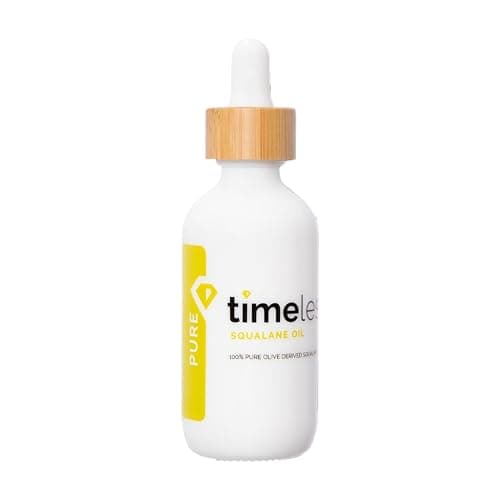
Timeless Skin Care 100% Pure Squalane
9.0A double-size, fragrance-free 100% squalane that usually lands at the lowest cost per ounce of any pick here.
Read our review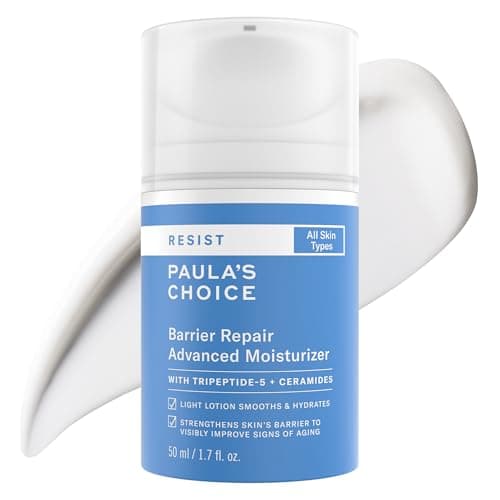
Paula's Choice RESIST Barrier Repair Advanced Moisturizer
8.1Squalane 6th of 35 inside a genuine five-ceramide-plus-cholesterol barrier formula, with no fragrance on the list.
Read our reviewWhat squalane will not do
It will not make tretinoin work better, faster or at a lower dose. It does not treat acne, pigment or lines — it has no effect on pigment at all, which we cover in does squalane lighten skin?. And it will not fix irritation caused by using too much, too often: if your skin is raw, inflamed, weeping or burning rather than dry and flaky, the answer is to stop and speak to your prescriber, not to add more oil.
For over-the-counter strengths, squalane and retinol covers the same methods with less caution attached. For the broader ordering question, how to layer squalane, and for the barrier side, does squalane help the skin barrier?.
Sources
Frequently asked questions
Can you use squalane with tretinoin?
Yes. Pure squalane is a single inert ingredient with no pH, so it cannot destabilise tretinoin. Used on top it reduces the dryness and flaking; used underneath it buffers how fast the drug reaches the skin. Follow your prescriber's instructions first — tretinoin is a prescription medicine.
Do you put squalane on before or after tretinoin?
After, as the default: tretinoin on clean dry skin, wait twenty to thirty minutes, then squalane on top. Apply it before instead if your skin is stinging or peeling — that is the buffer method, and it deliberately slows absorption to make the drug tolerable. Tell your prescriber if buffering becomes your permanent routine.
How long should I wait between tretinoin and squalane?
Twenty to thirty minutes is the commonly used interval, and it matters more with tretinoin than with over-the-counter retinol. Applying anything straight on top can spread the drug into areas you deliberately avoided, such as the nostril creases and the lip line.
Does squalane reduce tretinoin's effectiveness?
Buffering underneath slows it down, which is the intended trade. Sealing on top afterwards does not. The practical calculation is that tretinoin only works if you keep using it, so a slightly gentler routine you sustain for months beats a maximal one you stop after three weeks.
Will squalane stop tretinoin peeling?
It helps a lot with the dryness and flaking, but it does not cancel out too much tretinoin too often. The rest of the answer is dose and frequency — a pea-sized amount, fewer nights per week at the start, and patience. Skin that is raw, burning or inflamed rather than flaky is a reason to contact your prescriber.
Is squalane safe to use with prescription retinoids generally?
Pure squalane is an inert emollient with no active behavior, which is why it is so commonly recommended alongside retinoids, and it is even used as the carrier in some retinoid formulations. That said, your prescription comes with its own instructions and your prescriber knows your skin — ask them before changing how you apply it.
Can I use squalane with tretinoin while pregnant?
Squalane itself is a simple emollient with no known pregnancy risk, but tretinoin is generally avoided in pregnancy and while trying to conceive. That is a decision for your doctor, not for a skincare site. If you have stopped the tretinoin, squalane on its own is still a perfectly reasonable moisture step.
Keep reading
The one-ingredient oil this method needs
Our ranked squalane oil picks, each with a live price and cost per ounce — fragrance-free, single-ingredient bottles only.
See the best squalane oils