Squalane for Sensitive Skin
Reactive, easily-irritated skin needs fewer ingredients, not more — and pure squalane is about as simple and gentle as an oil gets. Here's why it fits, plus how to patch-test.
We may earn a commission if you buy through our links, at no extra cost to you. Prices are pulled live from Amazon and can change. How this works.
If your skin flares at the first hint of fragrance or a new active, squalane is one of the safer oils to reach for. In its pure form it's a single, fragrance-free ingredient that closely mimics a lipid your own skin makes — which means very few of the triggers that set sensitive skin off. It's non-irritating for most people, it supports the barrier, and it helps reduce the water loss that leaves reactive skin feeling tight and uncomfortable.
None of that makes squalane a treatment for a specific skin condition — it isn't one. But as a plain, low-drama moisture step, it's about as gentle as skincare gets. The key is to choose a 100% squalane, keep the rest of your routine simple, and patch-test before you trust it on your whole face.
Why squalane suits sensitive skin
Sensitive skin does best with fewer variables. Every extra ingredient in a product is another thing that could turn out to be the one your skin reacts to. Squalane keeps that count as low as possible:
- A single ingredient in pure form — the shorter the list, the fewer potential triggers.
- Fragrance-free — added fragrance is one of the most common causes of irritation.
- Mimics your skin's own lipids, so skin tends to accept it rather than fight it.
- Barrier support — it helps reduce trans-epidermal water loss, which reactive skin often struggles to control.
- A mild, soothing character that can help calm the look of redness rather than aggravate it.
Put together, that's an unusually forgiving profile. It's why squalane turns up so often in routines built for easily-upset skin, and why it's a common first oil for people who've been burned by richer, more heavily fragranced products in the past. It also plays well with the calm, minimal routines sensitive skin does best on, rather than demanding a whole new regimen around it.
Sensitive or sensitized? Why it matters
It's worth separating two things that often get lumped together. Some people have naturally sensitive skin — it's been reactive their whole life, tends to run in the family, and flushes or stings easily. Others have sensitized skin: skin that became reactive because of something, usually over-exfoliating, too many actives at once, or a barrier that's been stripped by harsh products. The distinction matters, because sensitized skin can often be calmed back down, while naturally sensitive skin is more about ongoing, careful management.
Squalane suits both, but for slightly different reasons. If your skin is sensitized, it's a gentle way to add moisture back and support the barrier while you cut the routine right down and let skin recover. If your skin is naturally sensitive, it's a reliable, low-trigger staple you can keep reaching for long term. Either way, the move is the same: strip the routine back, then reintroduce one gentle product at a time so you always know what your skin is responding to.
Sensitive skin and the barrier
Sensitivity and a stressed barrier usually go hand in hand. When the skin barrier is compromised — from over-exfoliating, weather, or harsh products — water escapes more easily and irritants get in more easily, so skin reacts to things it might otherwise shrug off. That's the tight, stinging, easily-flushed feeling many sensitive-skin types know well.
Squalane won't rebuild a damaged barrier on its own, but it gives it a calmer environment to recover in. As an emollient it softens the surface and helps seal in water, reducing the moisture loss that keeps a fragile barrier on edge. Paired with a gentle cleanser and a simple moisturizer, it's a low-risk way to support skin while you dial back whatever caused the flare in the first place.
Buffering harsher actives
If sensitivity is the reason you can't tolerate actives like retinol, squalane can help you get more out of them. Applied over a treatment once it has absorbed, it adds a cushion of moisture that can make the active gentler on skin without stopping it from working. Some people go further and 'sandwich' the active — a layer of squalane before and after — to soften a strong ingredient even more.
Whatever method you use, introduce one new thing at a time. If you start two products at once and your skin reacts, you won't know which one to blame. Slow and single-ingredient is the sensitive-skin way, and squalane fits that approach neatly.
Sensitive skin and a diagnosed condition aren't the same thing. Squalane is gentle and low-risk, but it's not a treatment for eczema, rosacea, or any skin disorder — if your skin is persistently reactive or inflamed, see a doctor or dermatologist. And always patch-test a new product on your inner arm for a few days before using it on your face.
How to choose a squalane for sensitive skin
Reach for a 100% squalane and read the label closely. Blends that add fragrance, essential oils, or botanical extracts reintroduce exactly the kind of triggers you're trying to avoid — even 'natural' additions like citrus or lavender oil are common irritants for reactive skin. The plainer the formula, the safer the bet.
Fragrance-free value picks are perfect for this. They keep the formula to the single molecule you want, and they're affordable enough that you can patch-test without worrying about wasting an expensive bottle if it doesn't suit you.
How to patch-test and use it gently
A little patience up front saves a lot of grief. Here's a sensitive-skin-friendly way to introduce squalane:
- Patch-test first — dab a little on your inner forearm and wait a few days to check for any reaction.
- Once it's clear, apply two or three drops to slightly damp skin after your water-based steps.
- Add only squalane to your routine that week — no other new products — so you can trust the result.
- Build from there, keeping the overall routine short and fragrance-free.
If you'd like more detail on where oils sit in a routine, how to use squalane oil walks through the full order, and squalane for dry skin covers layering it over a hydrator for extra comfort.
Gentle, fragrance-free picks
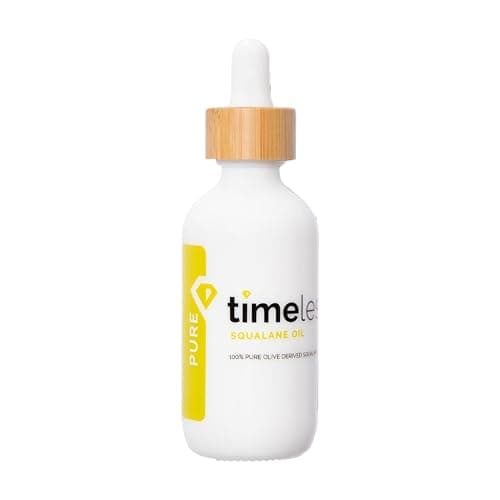
Timeless Skin Care 100% Pure Squalane
9.0A double-size, fragrance-free 100% squalane that usually lands at the lowest cost per ounce of any pick here.
Read our review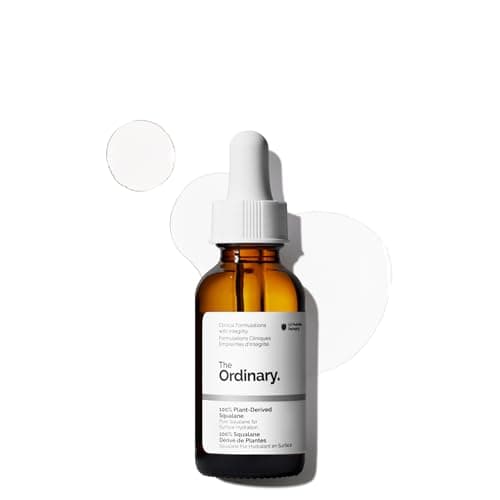
The Ordinary 100% Plant-Derived Squalane
9.2A single-ingredient, plant-derived squalane in a full 30 ml bottle at a low price, stocked almost everywhere — the default pick for most people.
Read our reviewSources
Frequently asked questions
Is squalane good for sensitive skin?
Generally yes. In its pure form squalane is a single, fragrance-free ingredient that mimics a lipid your skin already makes, so it has very few of the triggers that irritate sensitive skin. It hydrates and supports the barrier while staying gentle. Patch-test any new product first to be sure.
Can squalane cause irritation or breakouts?
Pure squalane rarely does. It's fragrance-free and rated low on the comedogenic scale, so both irritation and clogged pores are uncommon. If a squalane product bothers your skin, another ingredient in a blend — often fragrance or an essential oil — is the more likely cause.
Should I patch-test squalane?
Yes, especially with sensitive skin. Apply a small amount to your inner forearm and wait a few days to check for redness, itching, or stinging before using it on your face. Introduce it on its own, without other new products, so you can tell what your skin is responding to.
Is fragrance-free squalane better for sensitive skin?
Almost always. Fragrance is one of the most common skincare irritants, so a 100% squalane with no added scent, essential oils, or botanical extracts gives reactive skin the fewest things to react to.
Keep reading
Find a gentle squalane
See our ranked squalane oil picks, each fragrance-free where noted, with a live price and who it suits.
See the best squalane oils