Squalane vs Squalene: What's the Difference?
They sound identical and they're closely related — but only one belongs in your bottle. Here's why, in a table and a sentence.
We may earn a commission if you buy through our links, at no extra cost to you. Prices are pulled live from Amazon and can change. How this works.
The short version: squalene (with an 'e') is a natural lipid your skin makes; squalane (with an 'a') is the stabilized version used in skincare. Squalene oxidizes fast, so it doesn't keep well in a product. Hydrogenating it — saturating its chemical bonds — turns it into squalane, which is shelf-stable, lighter, and less prone to irritation.
The comparison at a glance
Why hydrogenation matters
Squalene's double bonds are what make it react with oxygen and degrade. Hydrogenation removes those bonds, which is why squalane resists oxidation and can sit in a dropper bottle for months without turning. It also makes squalane feel lighter on skin — one reason it's so widely tolerated.
On an ingredient list you'll almost always see 'Squalane.' If you see 'Squalene,' it's less stable and less common in finished products.
Does the difference change how you use it?
For practical purposes, the squalane in your skincare delivers squalene-like benefits — barrier support and lightweight moisture — without the instability. That's the whole reason the industry uses squalane. If you want the benefits, a 100% squalane oil is the simplest way to get them.
Our top 100% squalane picks
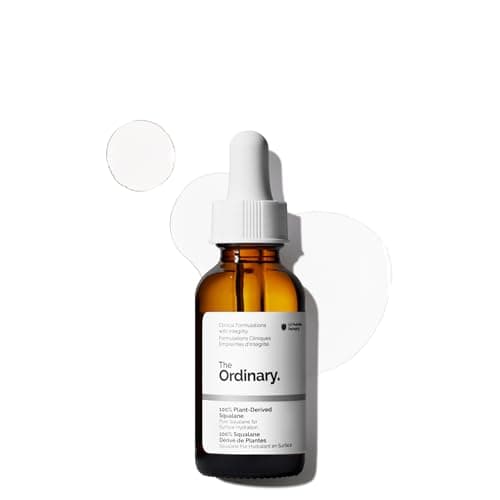
The Ordinary 100% Plant-Derived Squalane
9.2A single-ingredient, plant-derived squalane in a full 30 ml bottle at a low price, stocked almost everywhere — the default pick for most people.
Read our review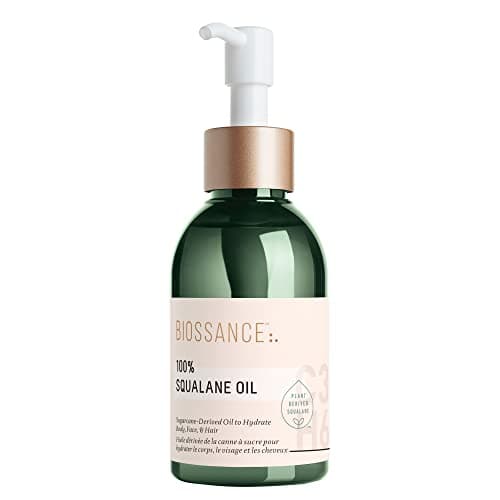
Biossance 100% Squalane Oil
8.8A sustainably sourced, sugarcane-derived squalane in a larger bottle — the polished pick if you want brand pedigree and a bigger size.
Read our reviewA related question people ask straight after this one: is squalane an oil? — technically it is not, and the reason is the same saturation story that makes it shelf-stable.
Sources
Frequently asked questions
Which is better, squalane or squalene?
For skincare, squalane. It delivers the same barrier and moisture benefits as squalene but is shelf-stable, lighter, and less irritating because it's the hydrogenated form.
Is squalane natural?
Squalane is derived from natural sources — usually plant lipids from sugarcane or olives — and then hydrogenated for stability. The starting material is natural; the final ingredient is a refined, stabilized version.