What Is Squalane? The Plain-English Guide
One ingredient, understood deeply: what squalane is, where it comes from, what it does for skin, and how to use it — with the science cited.
We may earn a commission if you buy through our links, at no extra cost to you. Prices are pulled live from Amazon and can change. How this works.
Squalane is a lightweight moisturizing oil that has quietly become one of skincare's most reliable ingredients. It hydrates without heaviness, it's rated at the friendly end of the comedogenic scale, and — unusually — it suits nearly every skin type, from oily and acne-prone to dry and sensitive. If you want one oil that just works, squalane is the strongest single answer.
This guide covers what squalane actually is, where it comes from, what it does, and how to slot it into a routine. Every claim below is cited, and where a number is 'commonly reported' rather than settled, we say so.
What squalane is (and how it differs from squalene)
Your skin naturally produces squalene (with an 'e') as part of sebum — it's one of the lipids that keeps the surface soft and helps limit water loss. The problem with squalene is that it oxidizes quickly, which makes it unstable in a bottle. Squalane (with an 'a') is the hydrogenated, saturated version: the same skin-friendly molecule made shelf-stable, lighter, and non-irritating.
That one-letter difference is the whole story. Squalane is what you'll find on ingredient lists because it lasts. We cover the chemistry in depth in squalane vs squalene.
Where squalane comes from
Historically, cosmetic squalane was derived from shark liver — an ongoing conservation concern. Today the vast majority is plant-derived, most commonly from fermented sugarcane or olives, and also from rice bran and amaranth. When a brand is transparent about its source, it will usually say 'sugarcane-derived' or 'plant-derived' on the pack.
We prefer transparently plant-derived squalane and flag the source on every pick. If a product doesn't disclose its source, that's worth knowing before you buy.
What squalane does for skin
Squalane is an emollient — it softens and smooths the skin surface and helps seal in water. The commonly cited benefits, supported by dermatology references, are:
- Lightweight hydration that absorbs cleanly, without a greasy film.
- Barrier support — it helps reduce trans-epidermal water loss (the water that evaporates from skin).
- Antioxidant properties, which is one reason squalene/squalane is studied in the context of skin protection.
- Broad tolerance — it's non-fragrant in its pure form and suits sensitive skin.
- Hair and body use — a drop tames frizz and softens dry patches.
Is squalane comedogenic?
Squalane is commonly rated 0–1 on the comedogenic scale, meaning it's very unlikely to clog pores. That's why it suits acne-prone and oily skin better than heavier facial oils. We unpack this — and what the rating really means — in is squalane comedogenic?.
How to use squalane
Because it's an oil, squalane goes near the end of your routine: after water-based serums, before or mixed into moisturizer. A few drops is plenty. Full steps, morning and night, are in how to use squalane oil.
A good place to start
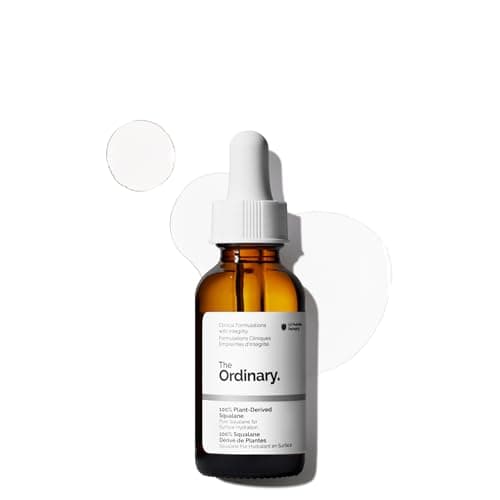
The Ordinary 100% Plant-Derived Squalane
9.2A single-ingredient, plant-derived squalane in a full 30 ml bottle at a low price, stocked almost everywhere — the default pick for most people.
Read our review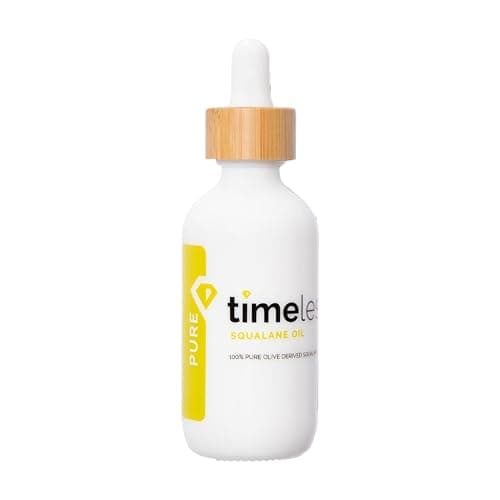
Timeless Skin Care 100% Pure Squalane
9.0A double-size, fragrance-free 100% squalane that usually lands at the lowest cost per ounce of any pick here.
Read our reviewWho should use squalane
Almost anyone. It's a safe first oil for oily and acne-prone skin, a barrier helper for dry and dehydrated skin, and gentle enough for sensitive skin. It's also considered fungal-acne safe, because the fungus behind that condition can't feed on saturated hydrocarbons like squalane. If you're pregnant or have a specific skin condition, it's sensible to check with your doctor, as with any product.
Sources
Frequently asked questions
Is squalane the same as squalene?
No — squalene (with an 'e') is the unstable lipid your skin produces; squalane (with an 'a') is the hydrogenated, shelf-stable version used in skincare. They're closely related but not identical.
Is squalane good for your skin?
For most people, yes. It's a lightweight, non-comedogenic emollient that hydrates and supports the skin barrier, and it suits oily, dry and sensitive skin alike.
Is squalane vegan?
Modern cosmetic squalane is usually plant-derived (sugarcane or olive) and vegan. Historically it came from shark liver, so check that a product states a plant source if that matters to you.
Keep reading
Ready to pick one?
See our ranked squalane oil picks, each with a live price, cost per ounce, and who it suits.
See the best squalane oils