Squalane for Sunburn
Cool the skin first, moisturize second. Squalane belongs in the second half of that sentence — and not on broken or blistered skin.
We may earn a commission if you buy through our links, at no extra cost to you. Prices are pulled live from Amazon and can change. How this works.
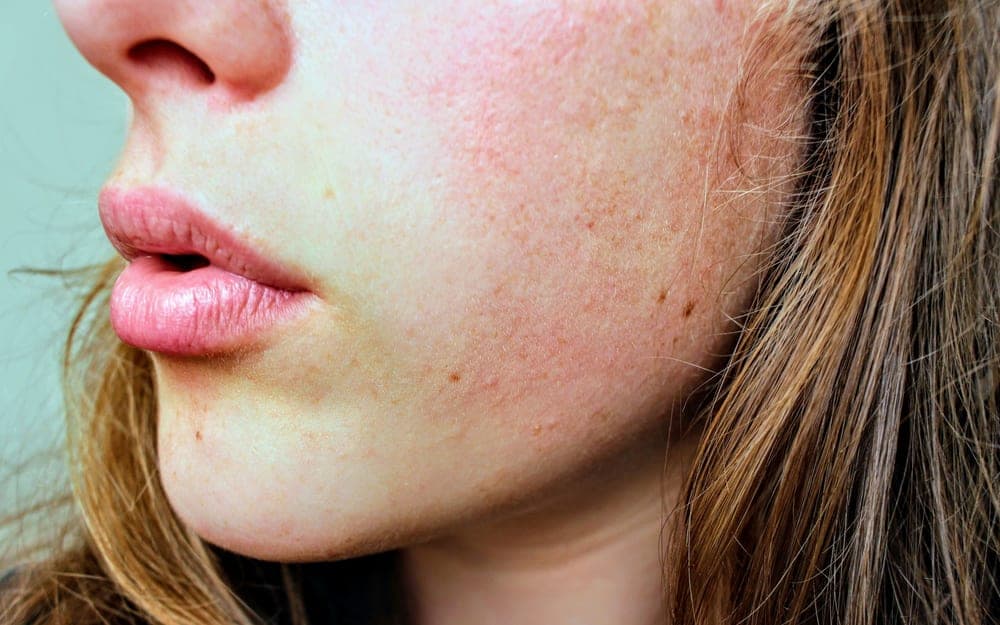
Let's put the honest answer first, because sunburn is one of the few skin situations where the wrong product genuinely makes things worse. Squalane is not sunburn first aid. It has no cooling action, no anti-inflammatory action, and no role in the immediate hours after a burn. What it can do is help with the tight, dry, peeling stage that follows — and that's a real but secondary job.
The American Academy of Dermatology's sunburn guidance is clear about the sequence: get out of the sun, take cool baths or showers, and apply a moisturizer — one containing aloe vera or soy — while skin is still damp. Cleveland Clinic's list runs similarly, with cool compresses, hydration, and leaving blisters intact. An emollient oil comes later, once skin is intact and dry rather than hot and inflamed.
What to do first (before any oil)
- Get out of the sun and stay covered. Burnt skin burns again far more easily.
- Cool the skin. Frequent cool baths or showers, or cool compresses, to take the heat out.
- Moisturize while damp. AAD recommends applying a moisturizer with aloe vera or soy while skin is still damp from the shower.
- Consider an anti-inflammatory. Aspirin or ibuprofen can reduce swelling and discomfort; AAD also mentions 1% hydrocortisone cream for mild to moderate burns.
- Drink extra water. A sunburn pulls fluid toward the skin surface and away from the rest of the body.
- Leave blisters alone. An intact blister protects the skin healing underneath it.
Seek medical help for a severe burn — widespread blistering, fever, chills, dizziness, confusion, or a burn on a young child. Those are not situations for any skincare product.
Where squalane actually fits
A few days after the burn, once the heat has gone and the skin is intact, the problem changes. The barrier has been damaged, water is escaping faster than usual, and skin gets tight, papery, and starts to peel. That is a moisture retention problem, and moisture retention is precisely what squalane does.
At that stage a lightweight emollient over slightly damp skin helps in three specific ways: it softens the flaking so it looks less obvious and catches less on clothing, it slows further water loss from a compromised barrier, and — because it's fragrance-free and a single ingredient — it does that without adding anything likely to irritate skin that's already reactive. See does squalane help the skin barrier? for the mechanism.
How to use it during recovery
- Wait until the skin is intact. No oil on broken skin, open blisters, or anywhere weeping.
- Apply to slightly damp skin. Straight after a cool shower is ideal — you're sealing the water in, not adding it.
- Layer it over your aloe or moisturizer, not instead of it. The soothing product goes first; squalane seals.
- Be gentle. Press it on rather than rubbing peeling skin, and never pull flakes off.
- Use it as long as the tightness lasts, usually a week or two, then go back to your normal routine.
What squalane cannot do
It doesn't cool skin, it doesn't reduce inflammation, and it doesn't speed healing. Most importantly, it does not protect you from the sun and it does not undo sun damage. No moisturizer does. Squalane has no SPF and offers no UV protection, so it's a step alongside sunscreen, never a substitute for it — apply it at night or under your SPF in the morning, as covered in squalane before or after sunscreen.
There's also a sequencing point worth being blunt about: sunburn is skin injury, and the ingredient with actual evidence for soothing it is aloe vera, which dermatology sources describe as helping with the pain and discomfort while skin recovers, without reversing the damage. Squalane is the moisture step that comes after. Treat it that way and it's genuinely useful; treat it as a burn remedy and you'll be disappointed.
Our picks for the recovery stage
For skin that's already been through something, a fragrance-free single-ingredient oil is the sensible choice — nothing extra to react to. Both below are 100% squalane, with a live price and cost per ounce shown.
Fragrance-free picks for recovering skin
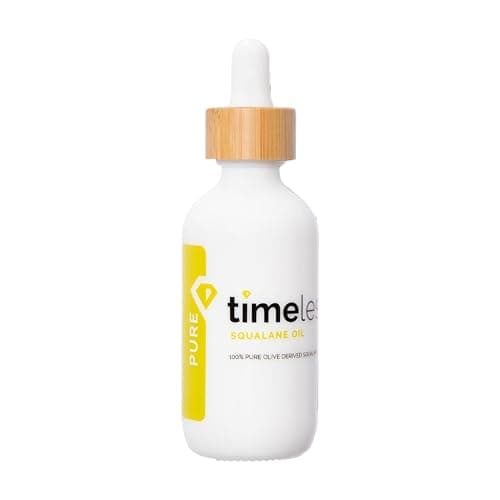
Timeless Skin Care 100% Pure Squalane
9.0A double-size, fragrance-free 100% squalane that usually lands at the lowest cost per ounce of any pick here.
Read our review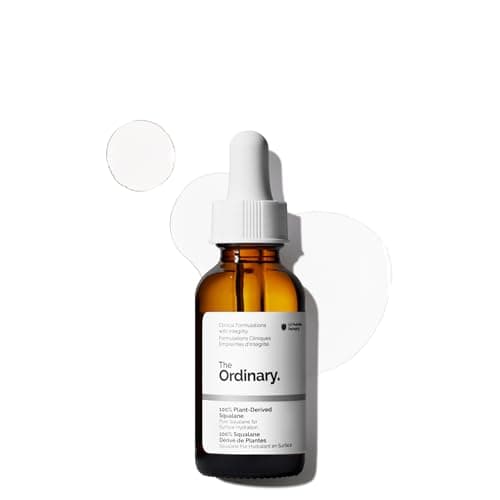
The Ordinary 100% Plant-Derived Squalane
9.2A single-ingredient, plant-derived squalane in a full 30 ml bottle at a low price, stocked almost everywhere — the default pick for most people.
Read our reviewFor a fuller picture of squalane on compromised or reactive skin, see squalane for sensitive skin. And the obvious point that matters more than any of this: sunscreen, shade, and covering up prevent the problem entirely.
Sources
Frequently asked questions
Can you put squalane on sunburn?
Not as first aid. Cool the skin, take cool showers, and use a moisturizer with aloe vera or soy while skin is damp, as dermatology sources recommend. Once the skin is intact and past the hot, inflamed stage, squalane is a good emollient for the tight, peeling phase.
Does squalane help sunburn peeling?
It helps with the discomfort of it. Squalane softens flaking skin, slows further water loss from a damaged barrier, and won't irritate reactive skin because it's fragrance-free and a single ingredient. It doesn't speed healing or stop peeling happening.
Is squalane a sunscreen?
No. Squalane has no SPF and provides no UV protection at all. Use it alongside sunscreen — at night, or under your SPF in the morning — never instead of it.
Should I use aloe vera or squalane on a sunburn?
Aloe vera first, in the early days — it's the ingredient dermatology sources point to for soothing the pain and discomfort of a burn. Squalane is better suited to the later stage, sealing moisture into skin that's tight and peeling but no longer inflamed.
When should I see a doctor about a sunburn?
Seek medical help for widespread blistering, fever, chills, dizziness, confusion, or a burn on a young child. Those go well beyond anything a skincare product should be managing.
Keep reading
A gentle bottle for stressed skin
See our ranked squalane oil picks, including the fragrance-free single-ingredient options, each with a live price and cost per ounce.
See the best squalane oils