Is Squalane Safe? Side Effects & Who Should Take Care
The honest safety picture: squalane is very well tolerated, reactions are rare, and when they happen it's usually another ingredient — not the squalane.
We may earn a commission if you buy through our links, at no extra cost to you. Prices are pulled live from Amazon and can change. How this works.
Squalane is one of the better-tolerated ingredients in skincare. It's a lightweight emollient that mirrors a lipid your own skin makes, it's commonly rated 0–1 on the comedogenic scale, and in its pure form it's fragrance-free — so for most people, on most skin types, it's a very low-risk oil. Serious reactions to squalane itself are rare.
That doesn't mean 'safe' equals 'skip all caution.' Any new product can disagree with any skin, and a bottle labeled 'squalane' often contains more than squalane. Here's an honest look at the side effects that do come up, why they usually aren't the squalane's fault, and the few situations where it's worth taking a little extra care.
Why squalane is so well tolerated
Squalane is the hydrogenated, shelf-stable version of squalene — a lipid your skin already produces as part of sebum. Because it resembles something skin makes, it tends to sit comfortably and rarely feels heavy or occlusive. Dermatology references describe it as non-comedogenic (commonly rated 0–1), lightweight, and suitable across oily, dry, sensitive, and acne-prone skin. In its pure form it contains no fragrance, which removes one of the most common causes of irritation. Add it up and squalane is about as low-drama as a facial oil gets. If you're new to it, what is squalane? covers the basics.
The side effects that actually come up
Reports of trouble with squalane are uncommon, and when they happen they're usually mild — some redness, itching, or a stinging feeling, or an unexpected breakout. Here's the important nuance: a 'squalane' product is often a blend, and these reactions frequently trace back to something else in the formula rather than the squalane. Fragrance, essential oils, botanical extracts, and other actives are far more common irritants. That's the single most useful thing to understand about squalane safety — the problem is usually the company squalane is keeping, not the squalane itself. We dig into the pore-clogging side of this in is squalane comedogenic?.
This is why the same ingredient can get glowing reviews in one bottle and complaints in another. A rose-scented squalane oil, a squalane cleanser with foaming agents, and a barrier cream that happens to contain squalane are all very different products, even though they share a headline ingredient. If one disagrees with your skin, it's rarely a verdict on squalane — it's a verdict on that particular formula. The practical move is to change one variable at a time: swap to a simpler product before you write the ingredient off entirely.
If a 'squalane' product irritates you or breaks you out, read the full ingredient list before blaming the squalane — fragrance is the usual suspect. A 100% squalane oil removes those extra variables, which is why it's the low-risk way to find out how your skin handles the ingredient itself.
Always patch-test a new product
No matter how gentle an ingredient's reputation, your skin is its own test. Patch-test anything new before you commit it to your whole face:
- Apply a small amount to a discreet spot — the inner forearm or behind the ear.
- Do this once a day for a few days and watch for redness, itching, bumps, or stinging.
- If nothing reacts, it's reasonable to start using it on your face; if it does react, stop and try something simpler.
This matters most when a product has a longer ingredient list. With a single-ingredient squalane there's very little to react to, but patch-testing is still the sensible habit to keep.
Who should take a little extra care
Squalane's safety profile is friendly, but a few people should check in with a professional first — as you would with any new product, not because squalane is unusually risky:
- If you're pregnant or breastfeeding: squalane is a simple emollient, but it's always sensible to run any new skincare past your doctor during pregnancy.
- If you have a specific skin condition (eczema, rosacea, or acne you're treating): squalane can be a gentle moisture step, but it isn't a treatment, and your doctor or dermatologist should steer the plan.
- If you have a known allergy to a product's other ingredients: a blend may contain something you already react to, so check the full list before you buy.
None of these are warnings unique to squalane — they're the ordinary common sense that applies to any product. Squalane itself isn't a medication and makes no claim to treat, cure, or prevent a skin condition; for reactive skin, our squalane for sensitive skin notes may help too.
The low-variable choice: 100% squalane
If safety and predictability are your priorities, the simplest formula wins. A 100% squalane oil — nothing but the ingredient on the label — is fragrance-free and strips out the extras that cause most reactions. It's the cleanest way to see how your skin responds to squalane on its own, and it's what we reach for first when someone is cautious or reactive. Its plant-derived sourcing, usually from sugarcane, is a bonus if that matters to you.
Starting simple also gives you a reliable baseline. If a single-ingredient squalane sits well for a couple of weeks, you know your skin is fine with the ingredient itself — so if you later add a scented or more complex product and it stings, you have a fair idea of where to point the finger. It's a quiet, low-cost way to keep your routine predictable, and for many people the plain oil turns out to be all they wanted in the first place.
A simple, single-ingredient start
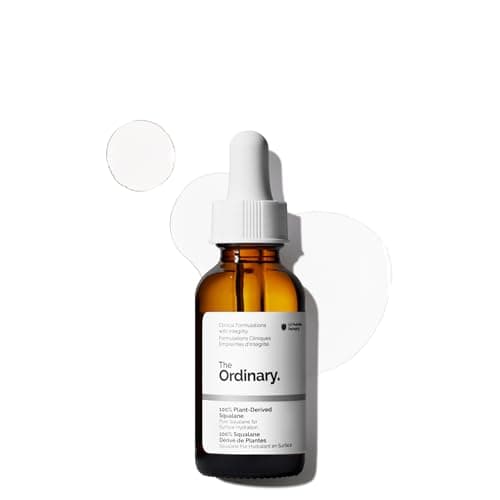
The Ordinary 100% Plant-Derived Squalane
9.2A single-ingredient, plant-derived squalane in a full 30 ml bottle at a low price, stocked almost everywhere — the default pick for most people.
Read our reviewSources
Frequently asked questions
Is squalane safe to use every day?
For most people, yes. Squalane is well tolerated, non-comedogenic, and fragrance-free in its pure form, so it's generally fine for daily morning and night use. Patch-test any new product first and start slowly if your skin is reactive.
Does squalane have side effects?
Side effects are uncommon and usually mild — occasional redness, itching, or a breakout. When they happen, another ingredient in a blended product, often fragrance, is a more likely cause than the squalane itself. A 100% squalane oil keeps those variables to a minimum.
Can squalane cause breakouts?
Pure squalane rarely does; it's commonly rated 0 to 1 on the comedogenic scale. If a squalane product breaks you out, the culprit is usually something else in the formula rather than the squalane.
Is squalane safe during pregnancy?
Squalane is a simple, gentle emollient, but as with any skincare it's sensible to check with your doctor before adding a new product during pregnancy or breastfeeding. This is general caution, not a specific warning about squalane.
Keep reading
Try the simplest squalane
A single-ingredient, plant-derived squalane is the lowest-variable way to start. See our ranked oil picks with live prices and who each suits.
See the best squalane oils