Can You Be Allergic to Squalane?
It is possible but uncommon — and when a squalane product causes a reaction, the squalane is usually not the ingredient responsible. Here is how to find out which one is.
We may earn a commission if you buy through our links, at no extra cost to you. Prices are pulled live from Amazon and can change. How this works.
You can, but it is uncommon — and if a squalane product has made your skin angry, the most likely culprit is something else on the ingredient list. The practical answer is to switch to a single-ingredient 100% squalane and patch-test it: if one ingredient is all that is in the bottle and your skin is fine with it, you have your answer, and if it still reacts you have a specific thing to tell a doctor. The pick for that test is the cheapest pure, fragrance-free bottle you can buy.
Why squalane is an unlikely allergen comes down to its structure. It is a fully saturated hydrocarbon — carbon and hydrogen, nothing reactive — closely related to squalene, a lipid your own skin produces as part of sebum. It has no fragrance, no protein, no preservative function and no acidity. Contact allergens tend to be reactive molecules, fragrance compounds, preservatives, plant extracts and proteins; squalane is none of those. That does not make a reaction impossible, because anyone can react to anything, but it does make squalane a poor first suspect.
Irritation is not the same as allergy
Most of what people describe as a squalane reaction fits the left column, and much of it fits a third explanation entirely: too much product, or a change made at the same time as something else. Squalane also does not cause purging, because purging is caused by ingredients that accelerate cell turnover and squalane is not one — we cover that in can squalane cause breakouts?.
The ingredients more likely to be responsible
- Fragrance or parfum, including "natural fragrance" and essential oils. The most common cause of allergic contact dermatitis from cosmetics, and present in a great many squalane-containing products.
- Botanical extracts. Long tails of plant extracts in a forty-five-ingredient cream are many more chances to react than one molecule.
- Preservatives. A well-known category of contact allergen, and unavoidable in any water-containing product. A pure oil contains none, because there is no water to preserve.
- Plant oils and butters, which carry their own proteins and minor constituents — and which are also what someone with a nut allergy needs to read labels for.
- Other actives in the same product, or in the step before it: acids, retinoids and high-percentage vitamin C all sting, and the sting gets blamed on whatever went on last.
How to find out, properly
- Stop everything new. Go back to a cleanser and a moisturizer you have used without problems for months. Let your skin calm down first — you cannot test anything on inflamed skin.
- Buy a single-ingredient 100% squalane. One ingredient means one variable. This is the entire point of the exercise.
- Patch-test it. A small amount on the same small area — inner forearm, or just in front of the ear — once or twice a day for several days to a week, changing nothing else.
- Then test it on your face, a small area at a time, for a few more days before using it all over.
- Reintroduce other products one at a time, several days apart, so a reaction points at something specific.
If a true allergy is the question, the definitive answer is clinical patch testing by a dermatologist — a standardized panel applied under occlusion and read over several days. A home test tells you whether a product suits you; it cannot identify which molecule your immune system has reacted to.
What to look for when you buy
For a test bottle, the specification is simple and absolute: 100% squalane, nothing else on the list, no fragrance. Avoid blends, avoid anything with added actives, and avoid anything with a botanical ingredient list however appealing it sounds. You also do not want a large bottle — if the point is to find out whether squalane suits you, buy the smallest pure bottle available and scale up only once you know. That is the one scenario on this whole site where the small, high-cost-per-ounce bottle is the right purchase.
Once you know squalane is fine for you, the economics invert immediately: the pure oils are the same molecule, so a larger bottle is dramatically cheaper per ounce, and that is what you buy for the next two years.
Single-ingredient bottles for a clean test
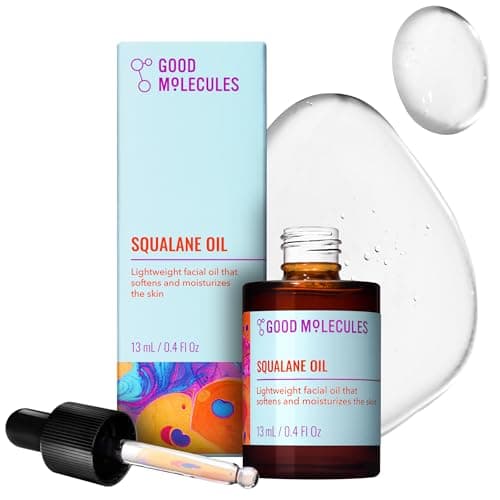
Good Molecules Squalane Oil
8.9The lowest sticker price of any 100% squalane here — but in a 13 ml bottle, so it's the cheapest way to try the ingredient, not the cheapest way to keep using it.
Read our review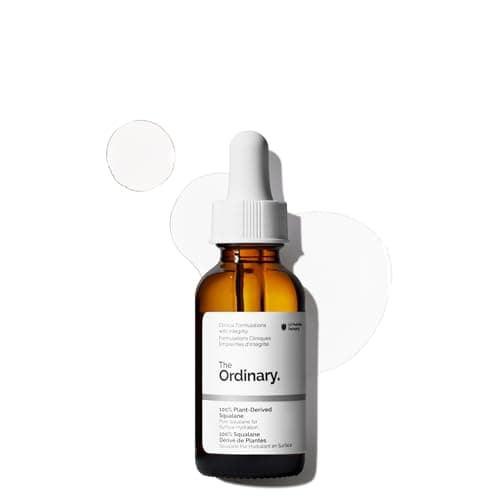
The Ordinary 100% Plant-Derived Squalane
9.2A single-ingredient, plant-derived squalane in a full 30 ml bottle at a low price, stocked almost everywhere — the default pick for most people.
Read our review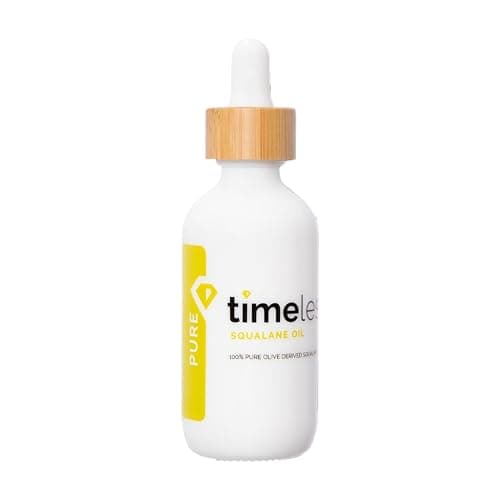
Timeless Skin Care 100% Pure Squalane
9.0A double-size, fragrance-free 100% squalane that usually lands at the lowest cost per ounce of any pick here.
Read our reviewWhen to see a doctor
Go sooner rather than later if you have intense itching, swelling, blistering, a rash spreading beyond where you applied the product, or anything affecting your eyes, lips or breathing. Also go if a reaction keeps recurring and you cannot identify the cause — that is exactly what patch testing exists for, and chasing it through trial and error with more products is slow and expensive. Nothing on this page is a diagnosis, and a reaction that is getting worse is not something to manage by reading ingredient lists.
For the broader safety picture, see is squalane safe?. For reactive skin generally, squalane for sensitive skin and our shortlist for sensitive skin, which ranks products by how few things are on the label.
Sources
Frequently asked questions
Can you be allergic to squalane?
It is possible but uncommon. Squalane is a fully saturated hydrocarbon with no fragrance, protein or reactive groups, closely related to a lipid your own skin makes, which makes it a poor candidate for contact allergy. When a squalane product causes a reaction, something else on the ingredient list is the more likely cause.
What does a reaction to squalane look like?
A true allergic reaction tends to appear hours to a day or two after use and involves itching, redness, swelling and sometimes small blisters, and it gets worse with repeat exposure. Stinging or tightness straight after applying is more typical of irritation. Breakouts are neither — squalane does not cause purging, and is rated 0 to 1 for comedogenicity.
How do I know whether it is the squalane or something else in the product?
Switch to a 100% squalane with one ingredient on the list and patch-test that. If a single-ingredient oil is fine, the squalane was never the problem and you can look at the fragrance, preservatives or botanical extracts in the original product. If the pure oil still reacts, you have something specific to take to a dermatologist.
Is squalane safe if I have a nut or plant allergy?
Cosmetic squalane is usually derived from sugarcane or olives, and it is a purified single molecule rather than a plant extract, so it does not carry the plant proteins that cause food-type allergies. If you have a known severe allergy, check the specific product's stated source and discuss it with your allergist rather than relying on a general answer.
Can squalane sting?
Pure squalane has no acidity and no active behavior, so it rarely stings on healthy skin. It can sting on skin that is already compromised — freshly exfoliated, retinized, sunburned or cracked — which is a property of the skin rather than the oil. If a one-ingredient oil reliably stings on intact skin, stop using it and get patch tested.
How do I patch-test squalane at home?
Apply a small amount to the same small area, such as the inner forearm or just in front of the ear, once or twice a day for several days to a week, and change nothing else in your routine while you do it. If nothing happens, move to a small patch on your face for a few more days. Introducing one product at a time is what makes the result mean anything.
Keep reading
Testing squalane for the first time?
Our ranked oil picks include the small single-ingredient bottles that make a clean patch test cheap — each with a live price and cost per ounce.
See the best squalane oils