Where Does Squalane Come From?
Plant or shark? How squalane is made, why most of it is now plant-derived, and how to read a label to be sure.
We may earn a commission if you buy through our links, at no extra cost to you. Prices are pulled live from Amazon and can change. How this works.
Squalane comes from squalene — a molecule found widely in nature, including in your own skin. To turn that unstable lipid into the shelf-stable ingredient in your dropper bottle, it's hydrogenated. The starting squalene can be sourced a few different ways, and that's the part worth understanding: historically it came from shark liver, but today the vast majority of cosmetic squalane is plant-derived, most often from sugarcane.
So the short answer is that modern squalane is usually made from plants, not sharks — but not every bottle says so, which is why knowing how to read the label matters. Here's where squalane comes from, how it's made, and how to tell a transparently plant-derived product from an unlabeled one.
From squalene to squalane: how it's made
Squalene (with an 'e') is a natural lipid, but it oxidizes quickly, so it doesn't keep well in a product. Hydrogenation — saturating its chemical bonds — converts it into squalane (with an 'a'): the same skin-friendly molecule, now shelf-stable, lighter, and less prone to irritation. That single step is why skincare uses squalane rather than raw squalene, and we go deeper on the chemistry in squalane vs squalene. The key point for sourcing is that hydrogenation is a process, not a source — the squalene going into it can come from an animal or a plant.
The shark problem
For a long time, the richest known source of squalene was shark liver oil, and a lot of cosmetic squalene and squalane was made from it. Sharks store squalene in their livers for buoyancy, and deep-sea species are especially rich in it — which made them a target. That's an ongoing conservation concern, and it's the main reason the industry shifted toward plant sources. If a product doesn't state where its squalane comes from, you can't simply assume it's plant-derived, which is exactly why transparent brands spell it out on the pack.
The good news is that the shift has been dramatic. Plant fermentation and extraction now make it entirely possible to produce high-quality squalane without any animal source at all, and most of the squalane you'll meet on a modern ingredient list is made this way. Shark-derived squalane hasn't vanished from every corner of the wider market, but for the mainstream skincare oils people actually buy for their face, plant sources have become the norm — provided the brand is willing to say so on the label.
If sustainability or vegan sourcing matters to you, don't assume — look for 'plant-derived' or 'sugarcane-derived' on the label. A brand that sources from plants will almost always say so; silence on the source is worth noticing before you buy.
Where plant-derived squalane comes from
Today most cosmetic squalane is plant-derived, and there are several common sources:
- Sugarcane — fermented sugarcane is the most common modern source; it's the route brands like The Ordinary and Biossance use, and it makes the squalane vegan.
- Olives — squalene can be extracted from olive oil, a long-standing plant source.
- Rice bran — another plant material used to produce cosmetic squalane.
- Amaranth — the seed of the amaranth plant is naturally rich in squalene.
Plant-derived squalane is vegan, since nothing about it comes from an animal. Fermented sugarcane in particular has become popular because it's renewable and lets brands make squalane at scale without touching sharks or leaning on limited crop harvests.
You may see a brand name its exact source as a selling point — 'sugarcane-derived squalane' is a common one — and that transparency is genuinely useful, because it tells you both the plant it started from and that it's animal-free. Different plant sources can matter to people for their own reasons: someone avoiding olive-related allergens, or preferring a fermentation-based process, might choose accordingly. But once you're comparing two clearly plant-derived squalanes, the source is more about values and supply chain than about anything you'll feel on your skin.
Does the source change how it works?
Here's the reassuring part: squalane is a single, well-defined molecule, so once it's been purified and hydrogenated it's chemically identical no matter which plant it started from. Sugarcane squalane, olive squalane, and rice-bran squalane are the same ingredient on your skin — same lightweight feel, same barrier support and reduced water loss, same 0–1 comedogenic profile. Source matters for sustainability, ethics, and sometimes price, but not for how the finished squalane performs. So choose a source you feel good about; you're not trading away results. For the full rundown of what it does, see what is squalane?.
How to read a squalane label
- Look for 'squalane,' not 'squalene.' The 'a' version is the stable one you want in a finished product.
- Check for a stated plant source — 'plant-derived,' 'sugarcane-derived,' 'olive-derived,' or 'vegan.' Transparent brands put it front and center.
- Prefer 100% squalane if you want the simplest, lowest-variable formula — just the ingredient, with no fragrance or extras.
- Treat an unstated source as unknown, not automatically plant-based. If it matters to you, choose a brand that says where its squalane comes from.
Transparently plant-derived picks
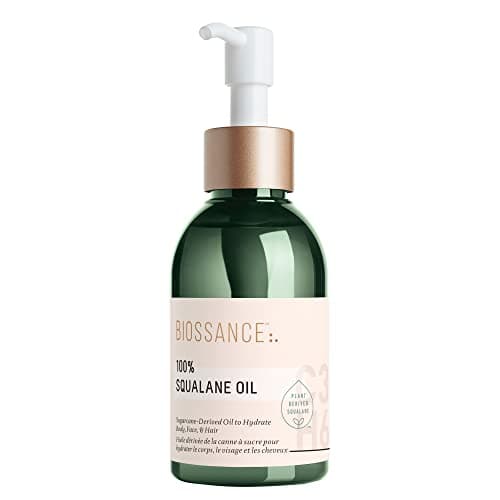
Biossance 100% Squalane Oil
8.8A sustainably sourced, sugarcane-derived squalane in a larger bottle — the polished pick if you want brand pedigree and a bigger size.
Read our review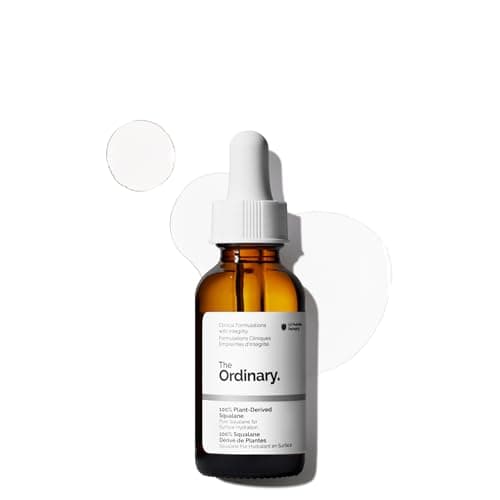
The Ordinary 100% Plant-Derived Squalane
9.2A single-ingredient, plant-derived squalane in a full 30 ml bottle at a low price, stocked almost everywhere — the default pick for most people.
Read our reviewSources
Frequently asked questions
Is squalane made from sharks?
It can be, but today it usually isn't. Historically squalane came from shark liver oil, which raised conservation concerns. The vast majority of cosmetic squalane is now plant-derived — most often from fermented sugarcane — though a product only guarantees that if it states a plant source.
Is squalane vegan?
Plant-derived squalane is vegan, since it's made from sources like sugarcane, olives, rice bran, or amaranth rather than animals. Look for 'plant-derived' or 'sugarcane-derived' on the label to be sure, since squalane can historically also come from sharks.
Is plant-derived squalane as good as any other?
Yes. Squalane is a single molecule, so once it's purified it's chemically identical regardless of which plant it came from. Sugarcane, olive, and rice-bran squalane all feel and perform the same on skin; the source only affects sustainability and sometimes price.
How can I tell where my squalane comes from?
Read the label. Transparent brands state 'plant-derived,' 'sugarcane-derived,' or 'vegan.' If a product doesn't say, you can't assume it's plant-based, so choosing a brand that discloses its source is the safest way to know.
Keep reading
Pick a plant-derived squalane
See our ranked squalane oil picks — each with a live price, cost per ounce, and a note on its source — so you can choose one you feel good about.
See the best squalane oils