The Best Plant-Derived Squalane Oil
Every mainstream squalane oil you can buy today is plant-derived. The difference between them is how much the brand is willing to tell you about which plant — so that is what this page ranks on.
We may earn a commission if you buy through our links, at no extra cost to you. Prices are pulled live from Amazon and can change. How this works.
The pick is The Ordinary 100% Plant-Derived Squalane, and it wins on the exact thing this page is about: it is the only oil here that puts the plant-derivation claim in the product's own name and names sugarcane as the source, in a single-ingredient formula, at a low price in a 30 ml bottle. If you want the source stated on the pack itself along with the fermentation process behind it, Biossance 100% Squalane Oil is second and gives you the most detail and the biggest bottle for the highest price. Two of the four oils below only say plant-derived or natural without naming the botanical, and we rank them lower for that reason alone — not because there is anything wrong with what is in the bottle.
First, the thing everyone is really asking. Squalane used to come from sharks. The molecule was originally harvested from the livers of deep-sea sharks, which store large amounts of squalene, and that supply chain is the reason the ingredient has a reputation problem that outlived the practice. Today the overwhelming majority of cosmetic squalane on the US market is plant-derived — most often from fermented sugarcane, and also from olives, with rice bran and amaranth as smaller sources. All four oils on this page state a plant origin. None of the squalane we recommend anywhere on this site is shark-derived.
Which is why this page ranks on disclosure rather than on origin, because on origin the four are tied. Squalane is a defined molecule: C30H62, the hydrogenated and therefore saturated form of squalene. Once it has been refined and hydrogenated, sugarcane-derived squalane and olive-derived squalane are chemically the same substance, and no reader can tell them apart on their skin. So there is no performance ranking to be made here, and we are not going to invent one. What there genuinely is, is a difference in how much each brand will commit to in writing — and if you are buying this ingredient specifically because you care where it came from, that difference is the product.
The criterion, stated plainly. First place goes to an oil that names the specific plant and makes the claim part of the product identity rather than a line in a FAQ. Second goes to an oil that names the plant and the process on the pack. Third and fourth go to oils that assert a plant origin without naming the botanical, ordered by how much other information the brand publishes. All four must be 100% squalane with nothing else on the INCI list, because the moment squalane is one ingredient among thirty the source becomes unknowable — and that is not a small point. Of the two dozen products we cover, only these four single-ingredient oils let you ask this question at all.
What to actually look for on a label, so you can judge an oil we do not cover. A good disclosure names the plant: sugarcane, olive, rice bran, amaranth. A weaker one says plant-derived, which is still meaningful — in the US, a claim like that on a cosmetic label is the brand's own representation and is not something a serious company invents casually. A meaningless one says natural, which tells you nothing: shark liver is natural. And an absent one tells you least of all, which is a reasonable thing to avoid if sourcing is why you are here. The word vegan on a pack is a useful shortcut, because it rules out the shark route by definition even when the plant is not named.
Sustainability, honestly. Sugarcane-derived squalane is made by fermenting sugar with yeast rather than by pressing a fruit, which means the yield per acre is high and it avoids the deep-sea fishery question entirely — that is a real argument and the reason sugarcane became the industry's default. It is not a zero-impact argument: sugarcane is a monoculture with its own land-use and water history, and olive-derived squalane is a by-product of an existing food crop, which is a different and also defensible case. Any brand telling you its squalane is environmentally free is overselling. What we can say without stretching is that no bottle on this page requires a shark, and that the brand naming its crop is giving you the information needed to judge the rest for yourself.
Where the money goes, since the ranking here does not follow the price. The oil at the top of this page is one of the cheapest; the oil in second place is the most expensive by a wide margin. That is not a contradiction, because the premium on a 100% squalane buys bottle size, sourcing detail and brand polish, never a different result on your skin. The cost-per-ounce table below is computed from today's live prices and will tell you which bottle is actually the efficient purchase, which is frequently neither of the first two. We would rather hand you both numbers than pretend that caring about sourcing means spending more.
How we picked: we don't run a lab and we don't claim to. We read every ingredient list, compiled the published specs, and computed the cost per ounce below. See our full method.
Quick picks
Our ranked shortlist. Tap a row for the full review, or the price to buy.
| # | Product | Best for | Score | Price |
|---|---|---|---|---|
| 1 | 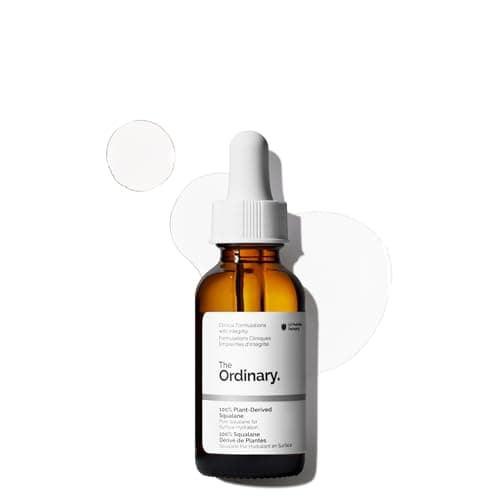 The Ordinary 100% Plant-Derived Squalane A single-ingredient, plant-derived squalane in a full 30 ml bottle at a low price, stocked almost everywhere — the default pick for most people. | Best overall value | 9.2 | |
| 2 | 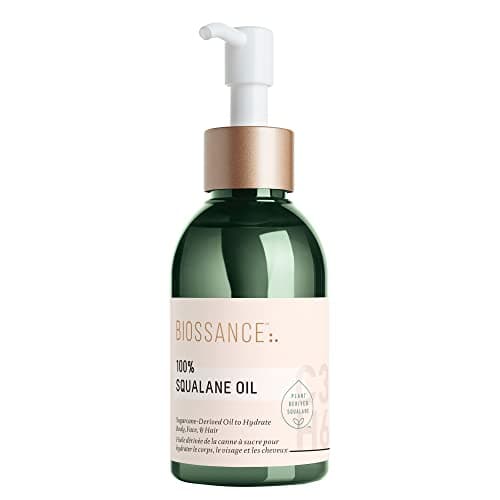 Biossance 100% Squalane Oil A sustainably sourced, sugarcane-derived squalane in a larger bottle — the polished pick if you want brand pedigree and a bigger size. | Best premium pure oil | 8.8 | |
| 3 | 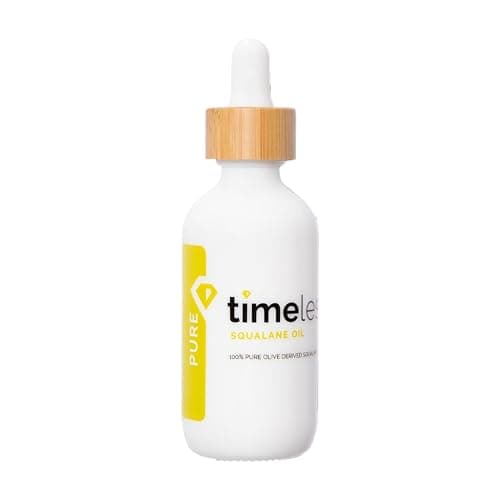 Timeless Skin Care 100% Pure Squalane A double-size, fragrance-free 100% squalane that usually lands at the lowest cost per ounce of any pick here. | Best big-bottle value | 9.0 | |
| 4 | 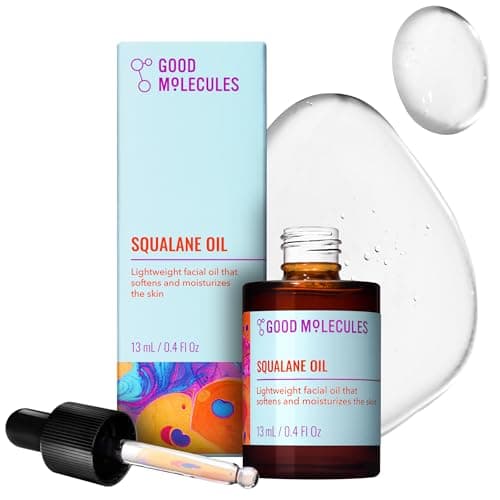 Good Molecules Squalane Oil The lowest sticker price of any 100% squalane here — but in a 13 ml bottle, so it's the cheapest way to try the ingredient, not the cheapest way to keep using it. | Best budget pick | 8.9 |
The Ordinary 100% Plant-Derived Squalane
9.2A single-ingredient, plant-derived squalane in a full 30 ml bottle at a low price, stocked almost everywhere — the default pick for most people.
- Purity
- 100% squalane
- Source
- Plant-derived (sugarcane)
- Size
- 1 fl oz (30 ml)
- Cost / oz
- $10.40/oz
- Best for
- Best overall value
What we like
- 100% squalane, no fillers or fragrance
- One of the lowest entry prices of any name-brand squalane
- Sugarcane-derived and vegan
- Widely stocked, easy to repurchase
Keep in mind
- Small 30 ml bottle
- Simple dropper rather than an airless pump
Skip it only if you want a large-format bottle or airless packaging for oxidative stability.
Price as of October 19, 2026. Prices set by Amazon and change.
#ad · How we make money
Biossance 100% Squalane Oil
8.8A sustainably sourced, sugarcane-derived squalane in a larger bottle — the polished pick if you want brand pedigree and a bigger size.
- Purity
- 100% squalane
- Source
- Sugarcane-derived (stated on pack)
- Size
- 3.3 fl oz (as listed)
- Cost / oz
- $10.30/oz
- Best for
- Best premium pure oil
What we like
- 100% sugarcane-derived squalane, transparently sourced
- Larger listed size than most single-ingredient rivals
- Vegan and fragrance-free
- Absorbs fast with no greasy finish
Keep in mind
- Higher up-front price than budget oils
- Same molecule as the budget oils — the extra spend buys bottle size and sourcing, not results
Skip it if you only want a small bottle to try squalane — a budget oil costs far less at checkout for the same molecule.
Price as of October 19, 2026. Prices set by Amazon and change.
#ad · How we make money
Timeless Skin Care 100% Pure Squalane
9.0A double-size, fragrance-free 100% squalane that usually lands at the lowest cost per ounce of any pick here.
- Purity
- 100% squalane
- Source
- Plant-derived (brand states plant-based)
- Size
- 2 fl oz (60 ml)
- Cost / oz
- $8.97/oz
- Best for
- Best big-bottle value
What we like
- 2 fl oz — twice the size of most rivals
- Typically the cheapest per ounce of the bunch
- Fragrance-free, single-ingredient
Keep in mind
- Plain packaging and dropper
- Brand is less widely known than The Ordinary or Biossance
Skip it if you prefer buying a smaller bottle to keep an oil fresh, or want a recognizable label.
Price as of October 19, 2026. Prices set by Amazon and change.
#ad · How we make money
Good Molecules Squalane Oil
8.9The lowest sticker price of any 100% squalane here — but in a 13 ml bottle, so it's the cheapest way to try the ingredient, not the cheapest way to keep using it.
- Purity
- 100% squalane
- Source
- Plant-derived (100% natural squalane)
- Size
- 0.44 fl oz (13 ml)
- Cost / oz
- $18.18/oz
- Best for
- Best budget pick
What we like
- Lowest sticker price on the list
- 100% squalane, non-greasy
- Good for testing whether squalane suits you before spending more
Keep in mind
- A 13 ml bottle — less than half the size of a standard 30 ml oil, so the cost per ounce is high
- Sold through fewer retailers
Skip it if you already know you like squalane — the larger bottles cost far less per ounce for the same molecule.
Price as of October 19, 2026. Prices set by Amazon and change.
#ad · How we make money
Cost per ounce, compared
Computed from the current Amazon price and the listed size. Prices as of October 19, 2026 and set by Amazon.
The Ordinary is the pick because it answers the question in the product name. 100% Plant-Derived Squalane is not a slogan on a website that might change next quarter — it is what the thing is called, with sugarcane named as the source and a single-ingredient INCI list behind it, in a 30 ml bottle at an entry-level price from a brand stocked in every drugstore and department store that sells skincare. If your reason for being on this page is that you do not want shark squalane and you want the brand to have said so out loud, this is the shortest route to it. The dropper is basic and the bottle is small by the standards of the two below it. Neither affects the answer.
Biossance gives you the most detail, and charges for it. It is the only oil here that states the sugarcane fermentation process on the pack as well as the crop, it comes in the largest bottle of the four, and it is the only one of the four whose brand identity is built on the sourcing question rather than mentioning it. It is also by some distance the most expensive at checkout. Buy it if the detail and the volume are worth that to you, and do not buy it expecting your skin to notice — the molecule inside is the same one in the ten-dollar bottle, which the brand's own marketing does not quite say and we will.
Timeless and Good Molecules are both honest products with thinner disclosure. Timeless states that its squalane is plant-based without naming the crop, and in every other respect it is one of the best buys on this site: fragrance-free, single-ingredient, 2 fl oz, and typically the lowest cost per ounce of anything we track. Good Molecules describes its oil as 100% natural squalane — the weakest of the four claims, since natural rules nothing out — in a 13 ml bottle that makes it the cheapest sticker and the most expensive per ounce. If sourcing is a strong preference rather than an absolute, both are perfectly reasonable bottles and the table will tell you which is the better deal today.
One thing worth knowing about olive-derived squalane, because some readers are looking for it specifically. Olive squalane exists, is widely used in cosmetics, and is chemically identical to the sugarcane version after hydrogenation. The one practical consideration is that olive-derived material is refined from olive oil, so people with a known olive sensitivity occasionally prefer to avoid it — although refined squalane retains essentially none of the proteins or polyphenols that cause such reactions. None of the four oils on this page states olive as its source; two state sugarcane and two do not specify.
What plant-derived squalane does and does not buy you. It does avoid the shark-liver supply chain, it does make the product vegan, and in the two cases above it does come with a named crop you can look into. It does not make the oil more effective, better tolerated, more hydrating or less likely to break you out, because after hydrogenation the source has left no trace in the molecule. Squalane is an emollient at any origin: it softens the surface, slows water escaping, rates 0 to 1 on the comedogenic scale and is considered fungal-acne safe because Malassezia cannot feed on a saturated hydrocarbon. Anyone selling plant sourcing as a performance upgrade is selling you the wrong thing.
The bottom line. Buy The Ordinary if you want a named plant source stated in the product's own name at the lowest sensible price. Buy Biossance if you want the fullest sourcing story, the process named as well as the crop, and the largest bottle, and you accept paying a real premium for information rather than for results. Buy Timeless if you want the best cost per ounce and plant-based is a good enough statement for you. Buy Good Molecules only to test the ingredient cheaply. And if the shark question is the whole reason you are reading, the short answer is that it is a settled one for every oil on this page.
Frequently asked questions
Is squalane plant-derived or made from sharks?
Both exist historically, but the overwhelming majority of cosmetic squalane sold in the US today is plant-derived — most commonly from fermented sugarcane, and also from olives, rice bran and amaranth. The shark-liver supply chain is the reason the ingredient has a reputation problem, but it is a historical issue for the mainstream market. All four oils on this page state a plant origin, and two of them name the crop.
What is the best plant-derived squalane oil?
The Ordinary 100% Plant-Derived Squalane, judged on source disclosure: it names sugarcane, puts the plant-derivation claim in the product's own name, has a single-ingredient ingredient list and costs very little. Biossance 100% Squalane Oil is second — it states the sugarcane fermentation process on the pack and comes in the largest bottle, at by far the highest price.
Is sugarcane squalane better than olive squalane?
Not for your skin. After hydrogenation both are the same molecule, and nobody can tell them apart on application. Sugarcane squalane is made by fermenting sugar with yeast, which gives a high yield and avoids a fishery entirely; olive squalane is refined from a by-product of an existing food crop. Those are different environmental arguments, both defensible, and neither is a performance claim.
Does it say plant-derived on the bottle?
It depends on the brand, which is exactly what this page ranks. The Ordinary puts it in the product name and names sugarcane. Biossance states sugarcane fermentation on the pack. Timeless says plant-based without naming the crop. Good Molecules says 100% natural squalane, which is the weakest of the four claims because natural rules nothing out. Look for a named plant, and treat the word vegan as a useful shortcut.
Is plant-derived squalane vegan?
Yes. If the squalane comes from sugarcane, olives, rice bran or amaranth then there is no animal input, and the finished single-ingredient oils on this page have nothing else in them. The reason vegan is a useful word on a squalane label is that it rules out the shark-liver route by definition, even on a pack that never names the plant it did use.
Can I tell where the squalane in a moisturizer came from?
Usually not, and that is a real limit on this question. An INCI list says Squalane; it does not say which crop that squalane was refined from, and most brands do not publish it for a formulated product. That is why only single-ingredient oils are on this page — if sourcing is the thing you care about, a one-ingredient bottle from a brand that names its crop is the only place you can actually get an answer.
Sources
Keep reading
Want the chemistry rather than the label?
Sugarcane, olive, rice bran, amaranth — and why hydrogenation makes the starting plant invisible in the finished molecule.
Read: where squalane comes from