Does Squalane Help the Skin Barrier?
Squalane is a barrier ally, not a barrier rebuilder. Here's the honest version of what it does — and what to pair it with.
We may earn a commission if you buy through our links, at no extra cost to you. Prices are pulled live from Amazon and can change. How this works.
The skin barrier — the outermost layer that keeps water in and irritants out — is having a moment, and squalane comes up constantly in barrier-repair routines. So does it actually help? Yes, in a supporting role. Squalane softens the surface and helps reduce the water loss that a compromised barrier struggles to prevent, which buys stressed skin some breathing room. What it doesn't do is rebuild the barrier's structure on its own — that's a job it shares with other ingredients.
The short version: squalane is a genuinely useful barrier ally. It seals moisture in and adds a lipid your skin recognizes, but it works best alongside the ceramides, fatty acids, and humectants that repair and hydrate from within the barrier's structure.
What the skin barrier does
Your skin barrier is often described as a brick wall: skin cells are the bricks and a mix of lipids — ceramides, cholesterol, and fatty acids — is the mortar. When that mortar is intact, water stays in and irritants stay out. When it's damaged (by over-cleansing, harsh actives, weather, or age), skin loses water faster and reacts more easily, which shows up as tightness, flaking, stinging, and sensitivity. Repair means reducing the water loss and supplying what the mortar needs.
How squalane supports it
- Reduces water loss. As an emollient, squalane helps limit trans-epidermal water loss — the water that evaporates through a weakened barrier.
- Softens and smooths. It fills in and softens the rough, flaky surface a stressed barrier tends to develop.
- Speaks the skin's language. Squalane is the stable form of squalene, a lipid your skin naturally makes, so it integrates comfortably.
- Low irritation. Fragrance-free and inert, it adds moisture without piling on things a fragile barrier could react to.
Research into squalene and skin points to its role in the surface lipids and barrier function, which is the mechanism behind squalane's sealing, water-loss-reducing effect. The honest framing is that squalane is very good at the 'seal and soften' part of barrier care.
Honest limit: squalane doesn't supply ceramides or rebuild the barrier's structure by itself, and it isn't a treatment for a medical skin condition. For a badly compromised barrier, pair it with ceramides and a humectant — and see a dermatologist if skin stays inflamed or broken.
The strongest barrier-repair pairing
- Cleanse gently to avoid stripping the barrier further.
- Apply a humectant (like hyaluronic acid) on damp skin to draw water in.
- Layer a ceramide moisturizer to help supply the barrier's mortar lipids.
- Seal with squalane to lock it all in and soften the surface.
Squalane picks for barrier support
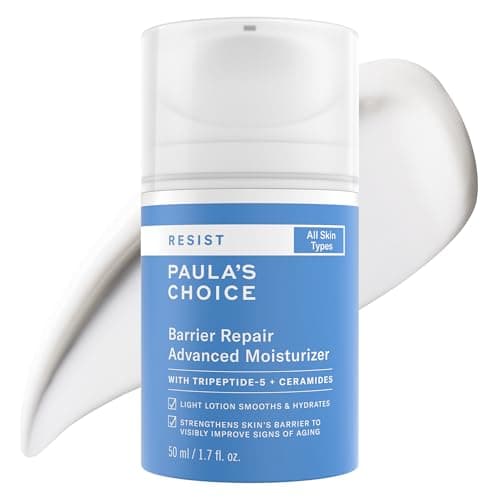
Paula's Choice RESIST Barrier Repair Advanced Moisturizer
8.1Squalane 6th of 35 inside a genuine five-ceramide-plus-cholesterol barrier formula, with no fragrance on the list.
Read our review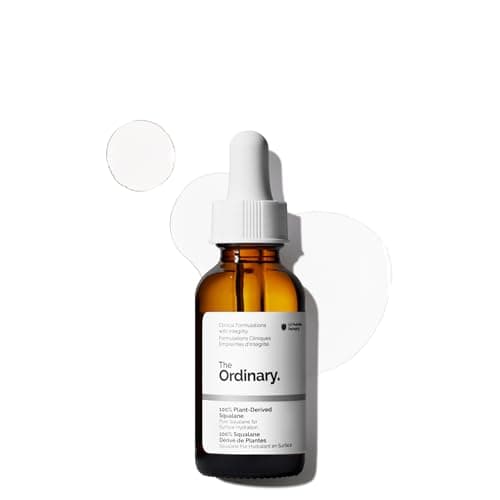
The Ordinary 100% Plant-Derived Squalane
9.2A single-ingredient, plant-derived squalane in a full 30 ml bottle at a low price, stocked almost everywhere — the default pick for most people.
Read our reviewWhat to look for
For barrier support you have two good options: a plain 100% squalane oil to seal over a ceramide moisturizer, or a squalane-containing barrier cream that bundles emollients and omega oils together. Both are covered on best squalane moisturizer. For the ceramide side of the equation, see squalane vs ceramides; for humectants, squalane vs hyaluronic acid. Patch-test anything new.
Sources
Frequently asked questions
Does squalane repair the skin barrier?
Squalane supports the barrier rather than rebuilding it. As an emollient it softens the surface and reduces trans-epidermal water loss, which helps stressed skin recover, and it adds a lipid the skin recognizes. It doesn't supply ceramides or rebuild the barrier's structure on its own, so it works best alongside ceramides and a humectant.
Is squalane good for a damaged skin barrier?
Yes, as a supporting step. Squalane seals in moisture and calms the rough, flaky surface a compromised barrier develops, with very little to irritate it. For a badly damaged barrier, pair it with a ceramide moisturizer and a humectant, and see a dermatologist if skin stays inflamed.
Should I use squalane or ceramides for my barrier?
Ideally both. Ceramides help supply the barrier's structural lipids, while squalane seals moisture in on top. They're complementary, so a ceramide moisturizer plus squalane is stronger than either alone.
How does squalane reduce water loss?
Squalane is an emollient that sits on and softens the skin surface, forming a light seal that slows trans-epidermal water loss — the water that evaporates through a weakened barrier. That sealing effect is the main way it supports barrier recovery.
Keep reading
Find a barrier-supporting pick
See our ranked squalane picks, each with a live price and who it suits — light oils and barrier creams alike.
See the best squalane moisturizers