Squalane vs Hyaluronic Acid
It's not either/or. One holds water in the skin, the other seals it in. Here's the difference and how to layer them.
We may earn a commission if you buy through our links, at no extra cost to you. Prices are pulled live from Amazon and can change. How this works.
This is the most common squalane mix-up, and the answer is simple: hyaluronic acid is a humectant that binds water and draws it into the skin, while squalane is an emollient oil that softens the surface and helps seal water in. They solve different halves of the same problem, which is why they pair so well.
Why they work better together
A humectant like hyaluronic acid can actually pull water out of deeper skin if the air is dry and nothing seals it. Applying squalane over your hyaluronic acid serum — ideally on slightly damp skin — traps that water where you want it. Humectant first, oil second.
Rule of thumb: hyaluronic acid on damp skin, then squalane on top. The serum grabs water; the oil keeps it there.
Do you need both?
If your skin feels tight and dehydrated, hyaluronic acid helps most. If it feels rough, flaky, or your barrier is stressed, squalane helps most. Many people benefit from both, in that order. Our how to use squalane oil guide shows exactly where each fits.
Squalane to layer over your serum
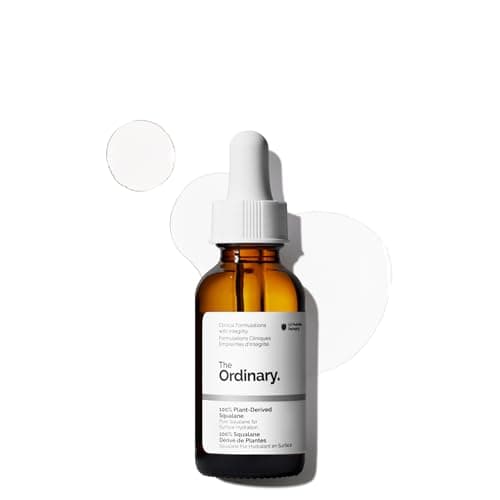
The Ordinary 100% Plant-Derived Squalane
9.2A single-ingredient, plant-derived squalane in a full 30 ml bottle at a low price, stocked almost everywhere — the default pick for most people.
Read our review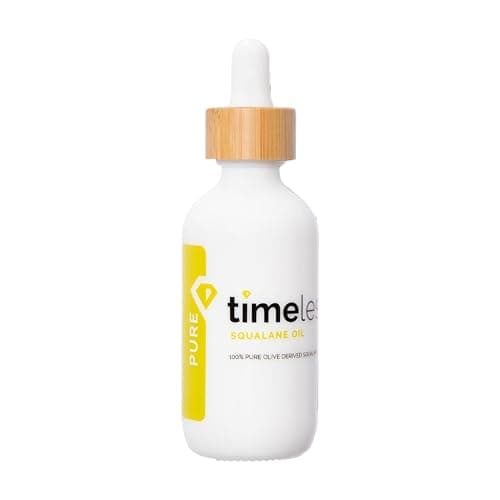
Timeless Skin Care 100% Pure Squalane
9.0A double-size, fragrance-free 100% squalane that usually lands at the lowest cost per ounce of any pick here.
Read our reviewIf you have decided you want both — which is the right answer for most dehydrated skin — squalane and hyaluronic acid covers the method in detail: the order, how damp your skin should be, and why a humectant left uncovered in dry air can leave skin feeling tighter than before.
Sources
Frequently asked questions
Can you use squalane and hyaluronic acid together?
Yes, and you should. Apply hyaluronic acid first on damp skin, then squalane on top to seal the water in. They're complementary, not competing.
Which comes first, squalane or hyaluronic acid?
Hyaluronic acid first (it's water-based), squalane second (it's an oil). Skincare goes thinnest to thickest, and the oil seals the humectant underneath.