Squalane vs Ceramides
Not a contest — one rebuilds the wall, the other seals it. Here's what each does and why they work best together.
We may earn a commission if you buy through our links, at no extra cost to you. Prices are pulled live from Amazon and can change. How this works.
This is one of those comparisons where the honest answer is 'use both.' Ceramides are the barrier lipids that literally hold your skin's outer layer together; squalane is a lightweight emollient that softens the surface and seals moisture in. They work on the skin barrier from different angles, so they complement each other rather than compete. Understanding the difference just helps you build a smarter routine.
The quick answer: if your barrier feels compromised — tight, flaky, reactive — ceramides help rebuild its structure and are the priority. Squalane then seals that work in and adds weightless slip. Most people get the best result from a ceramide moisturizer plus squalane, not one instead of the other.
Squalane vs ceramides at a glance
What ceramides do
Ceramides make up roughly half of your skin's outer layer and act like the mortar between the 'bricks' of skin cells. That structure is what keeps water in and irritants out. When ceramide levels drop — which happens naturally with age, and faster if the barrier is damaged — skin tends to get drier, more sensitive, and more reactive. Applying ceramides in skincare helps replenish what's missing and supports the barrier's ability to hold moisture.
In short, ceramides address the barrier at a structural level. They're a repair-and-support ingredient, and they're especially valuable for dry, mature, sensitive, or eczema-prone skin where the barrier is doing a poor job of retaining water.
Ceramides are a deep subject in their own right, and this page only covers the part that overlaps with squalane. If you want to go further — which ceramide types show up on a label, how the concentrations compare, what to layer them with — these ceramide guides go through it properly.
What squalane does — and why it pairs so well
Squalane is an emollient, not a structural lipid. It softens and smooths the skin surface and helps reduce trans-epidermal water loss — the water that evaporates from skin — by sealing on top. It's commonly rated 0–1 on the comedogenic scale, fragrance-free, and light enough for any skin type; the full picture is in what is squalane? and squalane benefits.
That's exactly why the two pair so well: ceramides help patch and support the wall, a humectant draws water in, and squalane seals everything so the water can't escape. Squalane doesn't supply ceramides, and ceramides don't give you squalane's light slip — together they cover more than either can alone. Some of our picks even build both into one product.
Buyer-first verdict: this isn't either/or. If your barrier is struggling, prioritize ceramides to rebuild it, then use squalane to seal. A ceramide moisturizer plus a squalane oil is one of the most reliable pairings in skincare.
How to use them together
- Cleanse gently so you don't strip the barrier you're trying to support.
- Apply a humectant (like a hyaluronic acid serum) on slightly damp skin to draw in water.
- Layer a ceramide moisturizer to help rebuild and support the barrier.
- Seal with a few drops of squalane on top to lock everything in.
Squalane picks that pair with ceramides
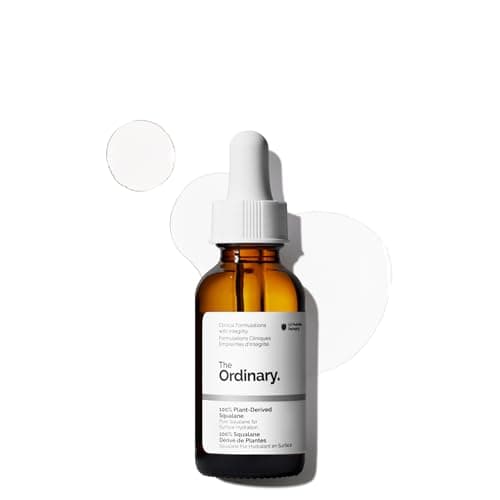
The Ordinary 100% Plant-Derived Squalane
9.2A single-ingredient, plant-derived squalane in a full 30 ml bottle at a low price, stocked almost everywhere — the default pick for most people.
Read our review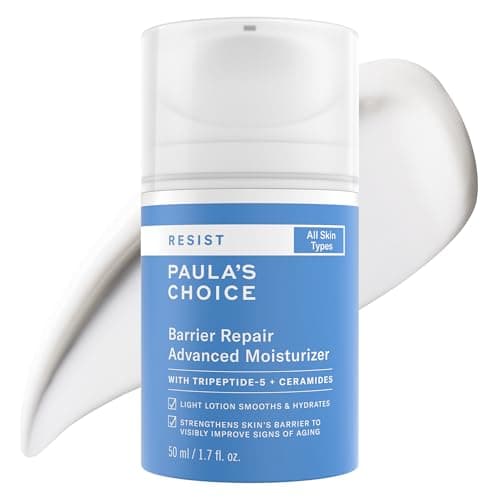
Paula's Choice RESIST Barrier Repair Advanced Moisturizer
8.1Squalane 6th of 35 inside a genuine five-ceramide-plus-cholesterol barrier formula, with no fragrance on the list.
Read our reviewWhich should you buy first?
If your skin feels tight, flaky, or reactive, buy the ceramide product first — it addresses the underlying barrier problem. If your skin is basically healthy and you just want a light, versatile oil to seal and soften, squalane is the simpler add. Ideally you'll use both. For pairing squalane with water-based hydrators, see squalane vs hyaluronic acid; for barrier repair specifically, does squalane help repair the skin barrier?. Patch-test anything new, and see a doctor for persistent barrier issues.
Sources
Frequently asked questions
Are ceramides or squalane better?
They do different jobs, so neither is better — they're complementary. Ceramides are the barrier lipids that hold skin together and help it retain moisture; squalane is a light emollient that seals moisture in on top. A ceramide moisturizer plus squalane is a stronger combination than either alone.
Can I use squalane and ceramides together?
Yes, and it's a great pairing. Apply a ceramide moisturizer to support the barrier, then press a few drops of squalane on top to seal it in. Some products even combine both. There's no conflict between them.
Does squalane contain ceramides?
No. Pure squalane is a single emollient molecule and contains no ceramides. If you want ceramides, look for a moisturizer that lists them, and use squalane as a sealing step on top.
Which should I apply first, ceramides or squalane?
Apply your ceramide moisturizer first, then squalane. The rule is thin-to-thick and water-before-oil: ceramide creams go on before the lightweight oil, which seals everything in as the last step.
Keep reading
Find a squalane to seal it all in
See our ranked squalane picks, each with a live price and who it suits — light oils and barrier creams alike.
See the best squalane oils