Squalane Benefits for Skin (and Hair)
A cited rundown of what squalane actually does — lightweight hydration, barrier support, antioxidant properties, and gentleness for nearly every skin type.
We may earn a commission if you buy through our links, at no extra cost to you. Prices are pulled live from Amazon and can change. How this works.
Squalane has quietly become one of skincare's most dependable ingredients, and its appeal comes down to a rare combination: it hydrates without heaviness, it's gentle enough for sensitive skin, and it suits nearly every skin type. Below is an honest, cited rundown of what squalane actually does — and, just as importantly, what it doesn't.
The short version: squalane is a lightweight emollient — the shelf-stable, saturated form of squalene, a lipid your skin already makes. Its main benefits are:
- Lightweight hydration that absorbs cleanly, with no greasy film.
- Barrier support that helps reduce water loss from the skin.
- Antioxidant properties, part of why squalene and squalane are studied for skin protection.
- Low pore-clogging risk — commonly rated 0–1 on the comedogenic scale.
- Gentleness — fragrance-free in pure form and suitable for sensitive skin.
- Versatility — it works on face, hair, and body, and is fungal-acne safe.
Lightweight hydration that absorbs cleanly
The first thing people notice about squalane is how light it feels. It's an emollient, so it softens and smooths the skin surface, but its saturated structure makes it sink in fast and leave a soft, almost weightless finish rather than a slick. That's why it works for skin types that usually avoid oils — a couple of drops hydrate and comfort without the greasy heaviness of richer oils. Because it so closely mirrors a lipid skin already produces, most people tolerate it easily.
That lightness is also why squalane layers so well. Heavier facial oils can sit on the surface and interfere with whatever you apply next, but squalane sinks in and largely disappears, so makeup and sunscreen go on cleanly over it. If you've tried an oil before and disliked the greasy afterfeel, squalane is the one most likely to change your mind — it delivers the comfort of an oil without the film that usually comes with it.
Barrier support and less water loss
Hydration only lasts if your skin can hold onto it, and this is where squalane earns its keep. As an emollient it helps reinforce the skin's surface and reduce trans-epidermal water loss — the water that quietly evaporates from skin all day. Squalene is a natural component of the skin's surface lipids, and its stabilized form, squalane, helps top up that seal, so the moisture you apply stays put longer. That barrier support is a big reason squalane suits dry, rough, or stressed skin, and why it pairs so well over a water-based hydrator.
It's worth being clear about what squalane does and doesn't do here. It doesn't add water to your skin on its own — as an emollient, its job is to soften and to seal. Pair it with a humectant (like hyaluronic acid or glycerin) and you get the full picture: the humectant draws water in, and the squalane helps keep it from escaping. That partnership, rather than squalane alone, is what makes skin feel genuinely, lastingly hydrated.
Antioxidant properties
Squalane also carries antioxidant properties. Skin is constantly exposed to environmental stress, and antioxidant lipids are part of how the surface defends itself — one reason squalene and squalane are studied in the context of skin protection. In everyday terms, this makes squalane a supportive, protective layer rather than a one-note moisturizer. It won't replace a dedicated antioxidant serum like vitamin C, but it contributes on top of its main hydrating and barrier roles.
Low pore-clogging risk, and gentle on sensitive skin
Squalane is one of the few facial oils that suits oily and acne-prone skin, because it's commonly rated 0–1 on the comedogenic scale — meaning it's very unlikely to clog pores. It's also considered fungal-acne safe: the Malassezia yeast associated with that condition can't feed on saturated hydrocarbons like squalane. We dig into what that rating really means in is squalane comedogenic?.
For sensitive skin, the appeal is what squalane leaves out. In its pure form it's fragrance-free, removing one of the most common triggers for irritation, and it's non-reactive enough to suit easily upset skin. Add its comfort on dry skin and its lightness on oily skin, and squalane genuinely suits all skin types — which is unusual for a single ingredient. More on the format in squalane vs hyaluronic acid.
Keep expectations honest: squalane hydrates, supports the barrier, and calms — but it isn't a treatment or cure for acne, eczema, rosacea, or aging. For a specific concern, pair it with the right active, and if a skin condition is involved, check with a dermatologist. Patch-test any new product first.
Beyond the face: hair, body, and shelf life
Squalane's usefulness doesn't stop at your face. A drop smooths frizz and adds shine to dry hair ends without weighing hair down, and it softens dry patches on elbows, cuticles, and shins — so one bottle can cover skin, hair, and body. It's also refreshingly shelf-stable: because it's the hydrogenated, saturated form of squalene, it resists the oxidation that makes many plant oils turn rancid, so it keeps well without fuss. That stability is exactly why the industry uses squalane instead of raw squalene, as we explain in what is squalane?. For hair specifically, see squalane for hair.
Who squalane is for
Almost everyone, honestly. It's a safe first oil for oily and acne-prone skin, a barrier helper for dry and dehydrated skin, and gentle enough for sensitive and reactive skin. If you want one flexible ingredient that plays well with the rest of your routine — layering under sunscreen, buffering retinol, or sealing a hydrating serum — squalane is the strongest single answer. If you're pregnant or managing a skin condition, it's sensible to check with your doctor first, as with any product.
Where to start
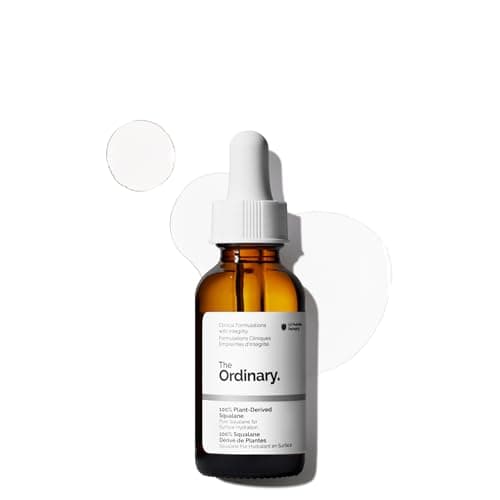
The Ordinary 100% Plant-Derived Squalane
9.2A single-ingredient, plant-derived squalane in a full 30 ml bottle at a low price, stocked almost everywhere — the default pick for most people.
Read our review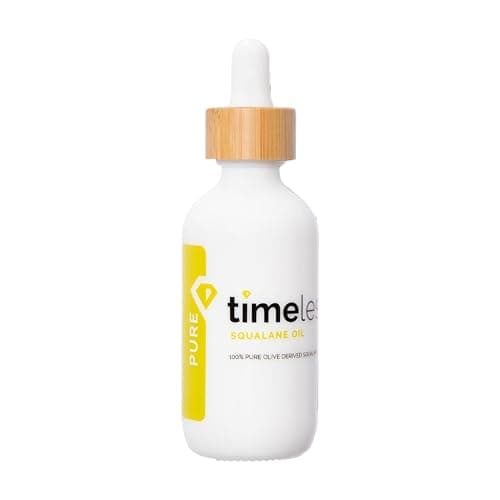
Timeless Skin Care 100% Pure Squalane
9.0A double-size, fragrance-free 100% squalane that usually lands at the lowest cost per ounce of any pick here.
Read our reviewSources
Frequently asked questions
What does squalane do for your skin?
Squalane is a lightweight emollient that hydrates, softens, and helps seal water into the skin, reducing the water loss that leaves skin tight and flaky. It also supports the skin barrier, has antioxidant properties, and is gentle enough for sensitive skin, all without a greasy feel.
Is squalane good for all skin types?
Yes, unusually so. It's light and low on the comedogenic scale for oily and acne-prone skin, comforting and barrier-supporting for dry skin, and fragrance-free for sensitive skin. Very few single ingredients suit every skin type the way squalane does.
Does squalane have anti-aging benefits?
Squalane supports skin in ways associated with a healthy, plump appearance — it hydrates, reinforces the barrier, and has antioxidant properties. It is not a proven wrinkle treatment, though, and won't replace an active like retinol. Think of it as supportive care rather than a targeted anti-aging treatment.
Can you use squalane on your hair?
Yes. A drop or two smoothed over dry ends tames frizz and adds shine without weighing hair down, since squalane is so lightweight. The same bottle you use on your face works on hair and body too.
Keep reading
Ready to try squalane?
See our ranked squalane oil picks, each with a live price, cost per ounce, and who it suits.
See the best squalane oils