Squalane and Glycolic Acid: Can You Use Them Together?
Yes — and squalane is the single most useful thing to own if glycolic acid leaves your skin tight. The rule is simple: acid first, finish the job, then the oil.
We may earn a commission if you buy through our links, at no extra cost to you. Prices are pulled live from Amazon and can change. How this works.
Yes — glycolic acid first, then squalane once the acid has absorbed and your skin is dry to the touch. They do not neutralize each other and there is no need to use them on alternate nights. The pick for the squalane half is a single-ingredient oil, because exfoliated skin is temporarily more reactive to everything and a one-ingredient bottle gives it nothing extra to object to: The Ordinary 100% Plant-Derived Squalane is the cheapest route, and Paula's Choice RESIST Barrier Repair Advanced Moisturizer is the pick if you want the barrier ingredients — five ceramides and cholesterol — rather than a plain oil on top. The one thing not to do is put the oil on first.
Glycolic acid is the alpha hydroxy acid most people meet first, in toners, pads, overnight serums and in-clinic peels. Cleveland Clinic describes it as the smallest AHA, which is exactly why it penetrates readily and why it has a reputation for both the fastest results and the most stinging. Squalane is what you use to make that trade bearable.
What glycolic acid does
Glycolic acid loosens the bonds holding dead cells to the surface of your skin, so they shed rather than accumulate. Dermatology references credit AHAs with improving texture, dullness and uneven tone over weeks of consistent use, and with helping unclog pores. Because the smallest molecule travels furthest, glycolic acid does more of this per percent than its larger relatives — and stings more doing it.
The side of it nobody advertises: freshly exfoliated skin has lost part of the layer that was slowing its water loss. That is why skin can feel tight, look slightly shiny-flat, and sting at the next product even when the acid itself has long since rinsed off. Replacing that lost lipid layer is the whole job of the squalane step.
Why squalane is a good partner for an AHA
Because it is inert and it is simple. Squalane is a saturated hydrocarbon with no pH, no activity and nothing for an acid to react with — it cannot raise the pH of the acid the way an alkaline product can, and it cannot be degraded by it. And on skin that has just been exfoliated, a single-ingredient emollient is the lowest-risk thing you can apply: no fragrance, no plant extract, no preservative blend. Squalane for sensitive skin covers why that matters, and squalane on damp skin covers the technique that makes two drops do the work of four.
The order, step by step
- Cleanse and pat completely dry. Unlike a hydrating serum, an acid does not want damp skin — water speeds it up and increases the sting.
- Glycolic acid — toner, pad or serum — over the whole face, avoiding the eye area and any broken skin.
- Wait. Five to ten minutes if your skin tolerates the acid well; longer if it stings. The acid is doing its work in that window.
- Squalane, two or three drops, pressed in rather than rubbed. Rubbing freshly exfoliated skin is an unnecessary irritation.
- A barrier cream on top on nights when you have exfoliated. This is the night to use it, if you own one.
- Sunscreen every morning, without exception, for as long as you are using an AHA at all.
Do not use glycolic acid every night because the first week went well. Two or three nights a week does nearly all of the work with a fraction of the irritation, and squalane on the nights in between is how you keep the gains instead of trading them for a compromised barrier.
Does squalane cancel out glycolic acid?
No. The worry comes from a real principle — an AHA needs an acidic environment to work, so something alkaline applied at the same moment can blunt it — but squalane is not alkaline. It has no pH at all, being a hydrocarbon rather than an acid or a base. Applied afterwards it does not reach back and stop an acid that has already absorbed.
Applied first, it is a different story, and this is the mistake to avoid: an oil layer between an acid and your skin slows the acid down and makes the result inconsistent. Thin to thick, water before oil, exactly as in how to layer squalane. Mixing the two in your palm has the same problem plus one more — you have diluted a dose-dependent active by an unknown amount.
What to look for when you are buying
- A glycolic product whose strength is stated. If the percentage is not on the label, you cannot build up sensibly from it.
- One ingredient on the squalane half, or a short, fragrance-free ingredient list if you want a cream instead of an oil.
- Real barrier ingredients if you are buying a cream for exfoliation nights — ceramides and cholesterol, high enough on the list to count. Most "barrier repair" creams have one ceramide near the bottom.
- Fragrance-free, including essential oils. Freshly exfoliated skin is the worst possible moment for added fragrance.
- Skip the physical scrub entirely if you are using an AHA. Doing both is how people end up with a stinging, shiny, over-exfoliated face and blame the acid.
What to buy for this pairing
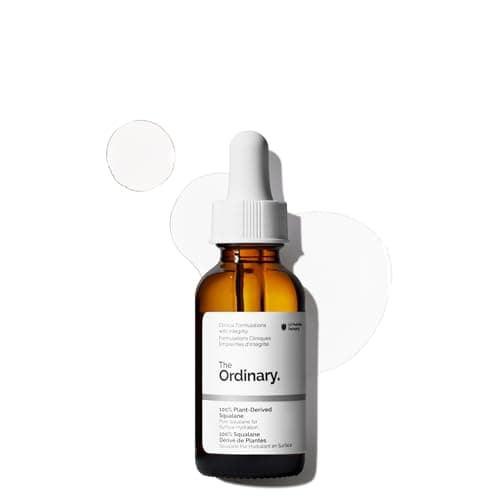
The Ordinary 100% Plant-Derived Squalane
9.2A single-ingredient, plant-derived squalane in a full 30 ml bottle at a low price, stocked almost everywhere — the default pick for most people.
Read our review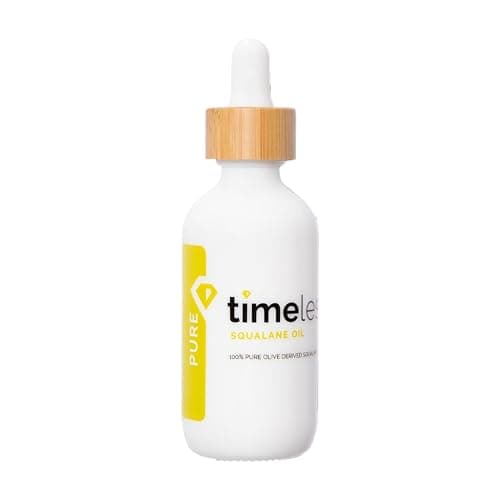
Timeless Skin Care 100% Pure Squalane
9.0A double-size, fragrance-free 100% squalane that usually lands at the lowest cost per ounce of any pick here.
Read our review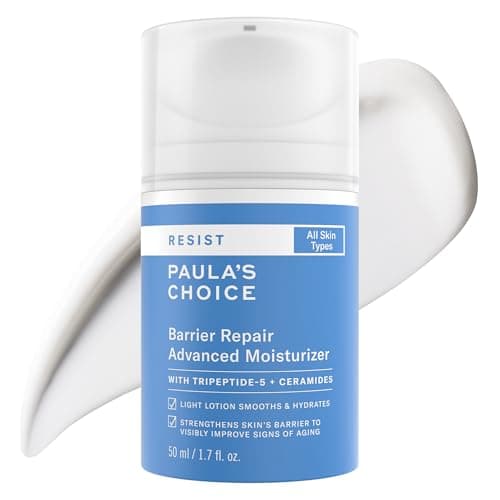
Paula's Choice RESIST Barrier Repair Advanced Moisturizer
8.1Squalane 6th of 35 inside a genuine five-ceramide-plus-cholesterol barrier formula, with no fragrance on the list.
Read our reviewWho this pairing suits
Anyone using an AHA on skin that is not naturally oily, which is where glycolic acid most often tips over from effective into uncomfortable. It is also the standard routine for texture and dullness on mature skin, where the acid does the resurfacing and the lipids go back on top — squalane for aging skin and best squalane for mature skin cover that combination, including what squalane honestly cannot do for lines.
If you are also using a retinoid, do not stack it with glycolic acid on the same night. Alternate them, and put squalane on top of whichever one you used — squalane and retinol and squalane with tretinoin have the detail on timing. And if your skin is stinging at water, stop all actives for a week and use nothing but a gentle cleanser and squalane: an over-exfoliated barrier is the one problem in skincare that doing less reliably fixes.
Sources
- Cleveland Clinic — Glycolic Acid: What Is It and How Does It Work?
- Healthline — Alpha Hydroxy Acid: 8 Skincare Benefits and How to Use It
- Cleveland Clinic — What Do Ceramides Do for Your Skin?
- Cleveland Clinic — Squalane: Benefits and How To Use It
- Healthline — Contact Dermatitis: Causes, Symptoms, and Treatment
Frequently asked questions
Can you use squalane after glycolic acid?
Yes, and that is the right order. Apply the glycolic acid to clean dry skin, wait five to ten minutes until it has absorbed, then press two or three drops of squalane on top. Squalane has no pH and nothing in it to react with an acid, so it does not neutralize what the glycolic acid has already done.
Which goes on first, glycolic acid or squalane?
Glycolic acid. It needs to reach your skin in an acidic formula to work, so nothing should be between it and the surface. Squalane works at the surface and goes second. Oil applied first slows the acid down and makes the result unpredictable.
Does squalane neutralize glycolic acid?
No. The idea comes from a real principle - an alkaline product applied at the same time can blunt an AHA - but squalane is neither alkaline nor acidic. It is a saturated hydrocarbon with no pH and no activity, so it cannot raise the pH of the acid or stop it working.
Can I mix squalane and glycolic acid together?
Better not to. Glycolic acid is dose-dependent and needs an acidic formula; diluting it in your palm with an unmeasured amount of oil changes both the strength and the environment it works in. Layer them with a wait in between instead.
How often should I use glycolic acid if my skin gets dry?
Two or three nights a week does most of the work for most people, and dry or reactive skin often does better on two. Use squalane every night, including the nights you do not exfoliate - that is what lets the skin recover between sessions rather than simply getting thinner.
Do I still need sunscreen if I use squalane over my glycolic acid?
Yes, and more than usual. AHAs increase sun sensitivity, and squalane offers no sun protection whatsoever - it is an emollient, not a filter. Sunscreen goes on last every morning for as long as you are using an acid at all.
Is squalane or a ceramide cream better after glycolic acid?
They do different things and the honest answer is that exfoliation nights are the night for both. Squalane replaces surface lipid and slows water loss; a cream with a real ceramide complex and cholesterol gives the barrier the specific lipids it rebuilds itself from. If you only want one product, a plain squalane is cheaper and simpler; if your skin is genuinely compromised, the cream earns its price.
Keep reading
Pick the squalane half
Our ranked squalane oil picks, with live prices and cost per ounce — the single-ingredient bottles are the ones to use after an acid.
See the best squalane oils