Squalane for Aging & Mature Skin
Squalane won't reverse aging or replace retinol — but as an antioxidant emollient that hydrates and supports the barrier, it's a smart partner for the actives that do the real work.
We may earn a commission if you buy through our links, at no extra cost to you. Prices are pulled live from Amazon and can change. How this works.
Let's be straight from the top: squalane is not a wrinkle eraser, and it won't reverse aging. No single moisturizing oil can. What squalane genuinely offers mature skin is more modest but still worthwhile — it's an antioxidant emollient that hydrates, supports a barrier that naturally thins with age, and layers beautifully with the ingredients that actually have anti-aging evidence behind them.
Think of squalane as the supportive base layer, not the star. Well-hydrated skin looks plumper and can make fine lines appear softer for as long as it stays moisturized, a comfortable barrier keeps skin from feeling tight and papery, and squalane's light texture makes it an easy partner for proven actives like retinol and vitamin C. Here's an honest look at where it helps — and where it doesn't.
What changes in aging skin
As skin ages, it makes fewer of the natural lipids that keep it soft and sealed — including squalene, the very lipid squalane is modeled on. The barrier gradually thins, water escapes more readily, and skin tends to feel drier and look less plump. Cell turnover slows and collagen production declines. Against that backdrop, fine lines and creases become more visible, and skin can feel rougher or more fragile than it used to.
Replacing some of that lost emollient support won't turn back the clock, but it can make skin feel and look more comfortable day to day. This is the honest frame for squalane in a mature routine: it addresses the dryness and barrier side of aging, not the deeper structural changes underneath.
What squalane genuinely does
Within that supportive role, squalane earns its place. The benefits that hold up are:
- Hydrates and softens — well-moisturized skin looks fuller, which can soften the appearance of fine lines while skin stays hydrated.
- Antioxidant properties — squalene and squalane are studied in the context of defending skin against oxidative stress.
- Barrier support — it helps reduce trans-epidermal water loss as the barrier naturally thins with age.
- Effortless layering — it's light enough to sit under or over the actives doing the heavy lifting, without pilling.
These are real, useful benefits — just not the same thing as changing the skin's structure. Kept in that context, squalane is one of the most reliable comfort layers you can add to a mature-skin routine.
What squalane does not do
Just as important is what to expect it not to do. Squalane doesn't speed cell turnover or build collagen the way retinol can, it doesn't brighten and even out tone the way vitamin C does, and it doesn't exfoliate or resurface. Any softening of fine lines comes from hydration, so it lasts while skin stays moisturized rather than making a permanent change.
If firmer-looking, more even, smoother skin over time is your goal, squalane is the support act — not the treatment. Anyone promising that a plain oil 'erases wrinkles' or 'reverses aging' is overselling it. The good news is that squalane pairs perfectly with the ingredients that do have the evidence.
The most effective anti-aging routines pair a proven active — retinol or vitamin C — with a good emollient to keep skin comfortable. That comfort layer is squalane's real job here. Introduce one active at a time, patch-test anything new, and check with a dermatologist if you want a routine built around your skin's needs.
How to layer squalane with anti-aging actives
Squalane slots in easily around the actives that do the structural work. A simple, well-tolerated framework looks like this:
- Morning: vitamin C on clean skin, then squalane to seal it, then a broad-spectrum sunscreen — non-negotiable for aging skin.
- Night: apply retinol and let it absorb, then squalane over the top to buffer the dryness and flaking retinol can cause.
- Dry days: follow squalane with a richer barrier cream to lock everything in.
Squalane can genuinely make retinol easier to stick with, since it cushions the irritation that leads a lot of people to quit. We compare the two head to head in squalane vs retinol, and if you'd rather have squalane built into a lighter treatment step, best squalane serum rounds up the options.
Oil, serum, or moisturizer?
For mature skin, format is mostly about preference and how dry your skin runs. A 100% squalane oil is the most flexible — you can layer it anywhere and use it on face, neck, and hands. A squalane serum or serum-oil can combine it with an active like vitamin C for a two-in-one step. A squalane moisturizer builds the emollient into a richer cream, which very dry or mature skin often appreciates in winter.
There's no single right answer — pick the texture you'll actually enjoy using every day, since consistency is what makes any routine work. Our picks below span all three formats so you can match one to your skin. For layering it over a hydrator on drier days, squalane for dry skin has the step order.
Don't forget your neck and hands
The neck, chest, and backs of the hands often show age before the face does, partly because they get less attention and less product. They have thinner skin, fewer oil glands, and plenty of sun exposure, so they tend to feel dry and look crepey earlier. Yet most people stop their routine at the jawline.
This is one of the easiest wins with a squalane oil: a bottle is affordable enough to use generously, so when you press the last of your drops into your face, sweep whatever's left down your neck and over the backs of your hands. It's the same lightweight moisture and barrier support, applied to the areas that usually miss out. Sunscreen on those spots in the morning matters just as much — sun is the single biggest driver of visible aging.
Squalane picks that pair with anti-aging actives
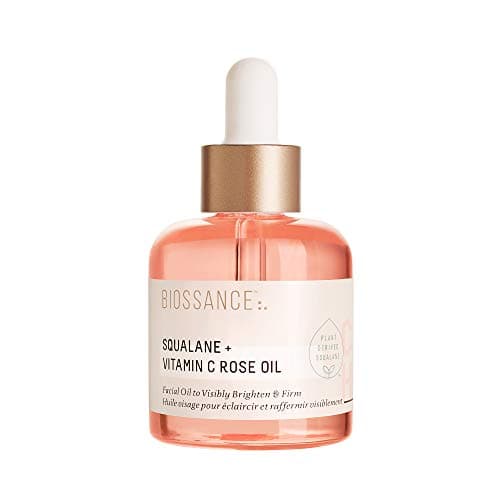
Biossance Squalane + Vitamin C Rose Oil
8.4A squalane oil carrying a stable vitamin C and rose — the pick when you want glow and brightening, not just plain hydration.
Read our review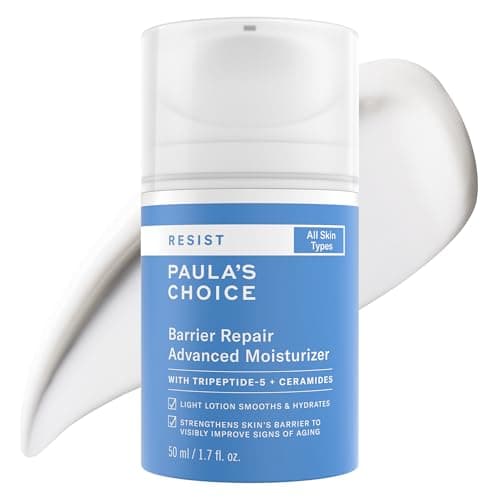
Paula's Choice RESIST Barrier Repair Advanced Moisturizer
8.1Squalane 6th of 35 inside a genuine five-ceramide-plus-cholesterol barrier formula, with no fragrance on the list.
Read our review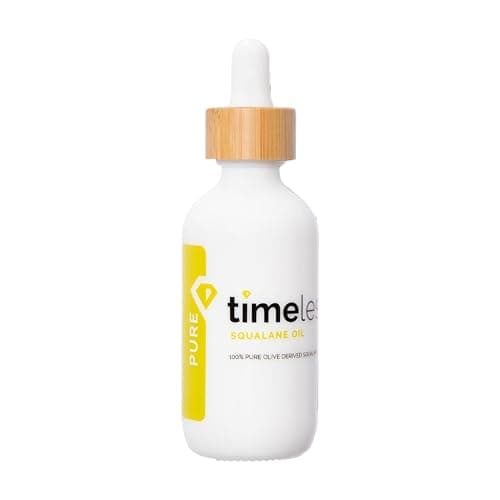
Timeless Skin Care 100% Pure Squalane
9.0A double-size, fragrance-free 100% squalane that usually lands at the lowest cost per ounce of any pick here.
Read our reviewSources
Frequently asked questions
Is squalane good for aging skin?
Yes, as a supportive step. Squalane is an antioxidant emollient that hydrates, softens, and helps a thinning barrier hold onto moisture, which keeps mature skin more comfortable and can make fine lines look softer while skin stays hydrated. It works best alongside proven actives, not instead of them.
Does squalane reduce wrinkles?
Not in a lasting, structural way. Squalane can make fine lines look softer by hydrating and plumping the surface, but that effect lasts only while skin stays moisturized. It doesn't build collagen or speed cell turnover the way retinol does, so it isn't a wrinkle treatment on its own.
Can I use squalane with retinol?
Yes, and it's a great pairing. Apply retinol first, let it absorb, then layer squalane over the top to buffer the dryness and flaking retinol often causes. Squalane doesn't interfere with how retinol works and can make it much easier to tolerate.
Is squalane or retinol better for anti-aging?
They do different jobs. Retinol has the anti-aging evidence — it speeds cell turnover and supports collagen — while squalane hydrates and keeps skin comfortable. Use them together rather than choosing: retinol does the work, squalane makes it tolerable.
Keep reading
Build a smarter anti-aging routine
See squalane serums and oils that layer with the proven actives doing the heavy lifting.
See squalane serums