Squalane and Retinol: Can You Use Them Together?
Retinol works, and the side effects are why people quit it. Squalane is the cheapest, least complicated way to stay on it — if you use it in the right position.
We may earn a commission if you buy through our links, at no extra cost to you. Prices are pulled live from Amazon and can change. How this works.
Yes, and squalane is one of the best things you can pair with retinol. The simplest version: apply retinol to clean dry skin, wait a few minutes, then press squalane on top. If your skin is already dry, flaking or stinging, use the sandwich instead — a thin layer of squalane first, then the retinol, then squalane again. The pick for either method is plain 100% squalane: it is a single fragrance-free ingredient with no pH and no active behavior of its own, which is exactly what you want next to an active that is already doing plenty.
The reason this matters is that retinoids are among the few topical ingredients with strong evidence behind them for lines and texture, and the reason most people stop using them has nothing to do with whether they work. It is week three, when the skin around the nose and mouth starts peeling and everything stings. Dermatology guidance on getting through that period is consistent: go slower, use less, and moisturize. Squalane is a very good answer to the moisturize part.
Why squalane specifically
- It has no pH and is not an active. Pure squalane cannot destabilise a retinoid or compete with it. Nothing is being neutralised.
- It is a single ingredient. When your skin is already irritated, the last thing you want layered over it is a twenty-ingredient cream with fragrance in it.
- It is fragrance-free in its pure form. Fragrance on compromised skin is the most common cause of cosmetic contact dermatitis.
- It is rated 0–1 for comedogenicity and is considered fungal-acne safe, so it does not trade dryness for breakouts.
- It absorbs in about a minute and does not leave the heavy film a thick occlusive balm does, so it is usable in the morning too.
Many retinol products are in fact formulated in squalane for these reasons — "retinol 1% in squalane" is a well-known product format precisely because squalane is an inert, stable, non-irritating carrier. If you own one of those, the squalane is already in the bottle, and you can still layer more on top if you need it.
The three ways to combine them
1. Seal (the default)
Retinol on clean, dry skin. Wait three to five minutes. Press two or three drops of squalane on top. This is the method for skin that is tolerating retinol reasonably well and just needs the dryness managed. The oil goes last, slows the water loss overnight, and does not dilute anything.
2. Buffer (for skin that stings)
A thin layer of squalane on clean skin first, then the retinol on top. You are deliberately slowing how fast the retinoid reaches the skin, which reduces irritation at some cost to intensity. That trade is almost always worth making in the first month, because a retinoid you can tolerate three nights a week beats one you abandon.
3. Sandwich (for skin that is already peeling)
Squalane, then retinol, then squalane again. The most cushioned version, and the one to use when the flaking has already started. Keep it until the peeling settles, then step back to sealing.
Whichever method you use, change one thing at a time. If you start a retinoid, change your moisturizer and add an acid in the same week, you will have no idea which one your face is reacting to.
What to look for when you buy
For this job the specification is narrow, and narrower than for general moisturizing. You want 100% squalane and nothing else: no fragrance, no essential oils, no botanical extracts, no acids, no added actives. Skin that is going through retinization is reactive skin for a few weeks, and every extra ingredient is a variable you do not need. A single-ingredient oil is also diagnostically clean — if something stings, you know it is not the squalane.
Size is the second decision and it is purely about money. The pure oils are the same molecule, so the only real differences are bottle size, how openly the source is stated, and cost per ounce. If retinol has made your whole face dry, you will use more squalane than you expect — a larger bottle is usually far cheaper per ounce. A fragrance-free barrier cream is the third option, and the one to reach for if your barrier is genuinely damaged rather than just dry: ceramides and cholesterol do something squalane cannot.
What to buy for this pairing
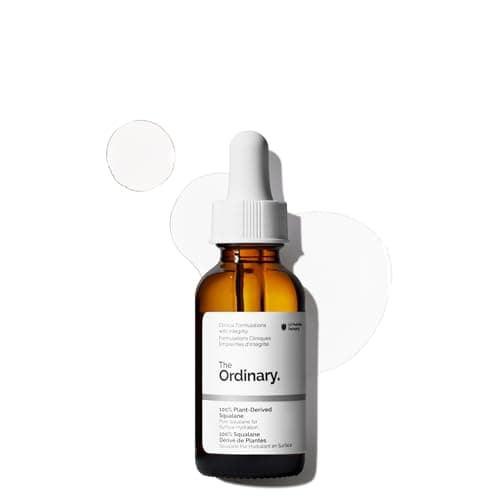
The Ordinary 100% Plant-Derived Squalane
9.2A single-ingredient, plant-derived squalane in a full 30 ml bottle at a low price, stocked almost everywhere — the default pick for most people.
Read our review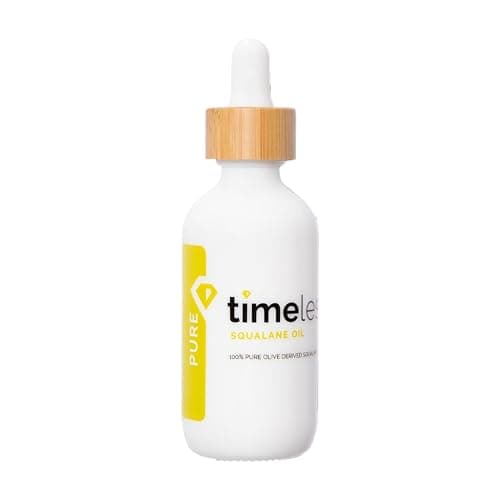
Timeless Skin Care 100% Pure Squalane
9.0A double-size, fragrance-free 100% squalane that usually lands at the lowest cost per ounce of any pick here.
Read our review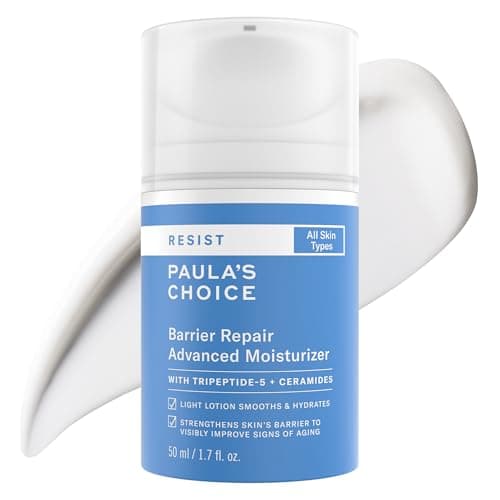
Paula's Choice RESIST Barrier Repair Advanced Moisturizer
8.1Squalane 6th of 35 inside a genuine five-ceramide-plus-cholesterol barrier formula, with no fragrance on the list.
Read our reviewNight, not morning — and sunscreen is not optional
Retinoids are used at night, both because light degrades some of them and because retinized skin is more sun-sensitive. That makes daily broad-spectrum sunscreen a requirement rather than a suggestion while you are using one. Squalane goes before sunscreen in the morning and never mixed into it — see squalane before or after sunscreen for why diluting an SPF product is a bad idea.
A note on strength and scope. This page is about over-the-counter retinol. Prescription tretinoin is a different, stronger proposition with its own rules, and we cover it separately in squalane with tretinoin. If you are pregnant or trying to conceive, retinoids are generally avoided — is squalane safe during pregnancy? covers the squalane side, and the retinoid question is one for your doctor.
For the two ingredients compared head to head rather than used together, see squalane vs retinol. For the broader layering order, how to layer squalane.
Sources
Frequently asked questions
Can you use squalane and retinol together?
Yes, and it is one of the most useful things you can do with squalane. Pure squalane has no pH and is not an active, so it cannot destabilise a retinoid. Applied over the retinol it reduces the dryness and flaking; applied underneath it buffers the irritation for skin that stings.
Do you apply squalane before or after retinol?
After, as the default — retinol on clean dry skin, wait a few minutes, then squalane on top to seal it. Apply it before the retinol instead if your skin stings or is already peeling: that buffers how fast the retinoid reaches the skin, trading a little intensity for tolerability.
What is the squalane retinol sandwich?
A thin layer of squalane, then your retinol, then squalane again. It is the most cushioned way to use a retinoid and the method to reach for once flaking has started. Use it until your skin settles, then go back to simply sealing with squalane on top.
Does squalane make retinol less effective?
Buffering underneath will slow the retinoid down somewhat — that is the point of it, and it is a deliberate trade. Layering squalane on top afterwards does not reduce the retinoid's effect. In practice, a retinoid you can use consistently at slightly lower intensity does far more than one you abandon in week three.
Will squalane stop retinol peeling?
It helps substantially with the dryness and flaking, which is what most people mean, but it is not a cure for pushing a retinoid too hard. The other half of the answer is frequency and amount: a pea-sized dose, two or three nights a week to start, building up slowly. If skin is raw, stinging or inflamed rather than just flaky, stop and talk to a clinician.
Is squalane a good moisturizer to use with retinol if my skin is sensitive?
It is one of the better choices, because pure squalane is a single fragrance-free ingredient with nothing in it to react to. Retinized skin behaves like sensitive skin for a few weeks, and fragrance is the most common cause of cosmetic allergic contact dermatitis, so a one-ingredient oil removes a lot of variables at once.
Keep reading
Pick the oil that goes with your retinoid
Our ranked squalane oil picks, each with a live price and cost per ounce — the single-ingredient, fragrance-free bottles this method calls for.
See the best squalane oils