Squalane and Vitamin C: Can You Use Them Together?
They are a genuinely good pair, and the sequence is not arbitrary. Water-based vitamin C first, squalane over the top — here is the reasoning, and the two mistakes that undo it.
We may earn a commission if you buy through our links, at no extra cost to you. Prices are pulled live from Amazon and can change. How this works.
Yes — squalane and vitamin C work together, and the order is vitamin C first, squalane second. Apply your water-based vitamin C serum to clean, slightly damp skin, give it two or three minutes, then press two or three drops of squalane on top. If you want one product that does both, the Biossance Squalane + Vitamin C Rose Oil is the pick below: a squalane base carrying a stable vitamin C derivative. If you already own a vitamin C serum you like, the cheaper and better answer is a plain bottle of squalane to go over it.
The two ingredients are not rivals — they do unrelated jobs. Vitamin C is a water-soluble antioxidant with real evidence behind it for brightness, even tone and daytime antioxidant protection. Squalane is an oil-soluble emollient that softens the surface and slows the water evaporating out of your skin. Nothing about either one interferes with the other. What does cause problems is applying them in the wrong order, which is the single most common reason people decide their expensive vitamin C "doesn't work".
Why the order is vitamin C first
The governing rule for layering skincare is thin to thick, water before oil. A water-based serum spreads and penetrates through skin that is clean and slightly damp. An oil does not penetrate it — it sits on top, forming a light film that slows evaporation. So if you put squalane on first, you have laid a barrier over the surface and the vitamin C serum that follows has to get through it. Some of it will. Not all of it will, and you paid for all of it.
Reverse that and both ingredients get to do their job. The vitamin C goes onto bare, damp skin and absorbs; squalane goes over the top and seals in both the serum and the water it was carrying. This is the same logic we set out in how to layer squalane and is squalane a humectant? — squalane is the last skincare step before sunscreen, not the first.
A simple test for any new product: if it feels like water, it goes near the beginning. If it feels like oil, it goes near the end. Squalane feels like oil because it is one.
Does squalane stop vitamin C from oxidizing?
Not meaningfully, and it is worth being precise here because the claim circulates. Vitamin C — specifically L-ascorbic acid — degrades on exposure to air, light and warmth, which is why good serums come in opaque or dark bottles and why one that has turned orange has lost potency. That degradation happens in the bottle, not on your face. Applying an occlusive layer on top of a serum you have already absorbed does not do anything for the stability of the serum still in the bottle. Store the bottle properly, buy a size you will finish, and don't expect squalane to rescue a serum that has already oxidized.
What squalane does do is reduce the irritation a potent vitamin C serum can cause on dry or sensitive skin. A low-pH L-ascorbic acid formula stings some people. An emollient layer over the top — or, for the very reactive, a squalane layer underneath as a buffer — makes it tolerable. That is a real, practical benefit, and it is the same mechanism we describe in squalane and retinol.
What to look for when you buy
There are two routes, and they suit different people. Route one: two products. A vitamin C serum you have chosen on its own merits, plus a bottle of 100% squalane to go over it. This is the cheaper and more flexible option — the squalane costs under ten dollars, works with any serum you later switch to, and has no fragrance or actives of its own to complicate things. It is what we would recommend to most people.
Route two: one product. A squalane-based oil that already carries a vitamin C derivative. The appeal is obvious: one step, one bottle, and the formulator has done the compatibility work. The trade-offs are equally real. Derivative forms of vitamin C — THD ascorbate, ascorbyl glucoside, sodium ascorbyl phosphate — are more stable and gentler than L-ascorbic acid but generally less potent, and you cannot adjust the strength independently of the emollient. You are also usually paying a premium price for a 30 ml bottle.
- Check which vitamin C it is. A derivative on the label is a stability choice, not a weakness — but it is a different ingredient from L-ascorbic acid and the research base is not identical.
- Check for fragrance if you are reactive. Squalane-plus-vitamin-C oils frequently carry rose or other botanicals. Pure squalane never does.
- Check the bottle. Vitamin C products in clear bottles with open droppers lose potency faster than opaque or airless packaging.
- Check what you are paying per ounce for the squalane part. In a blended oil, the squalane is the carrier. If the squalane is what you want, a plain bottle costs a fraction.
What to buy for this pairing
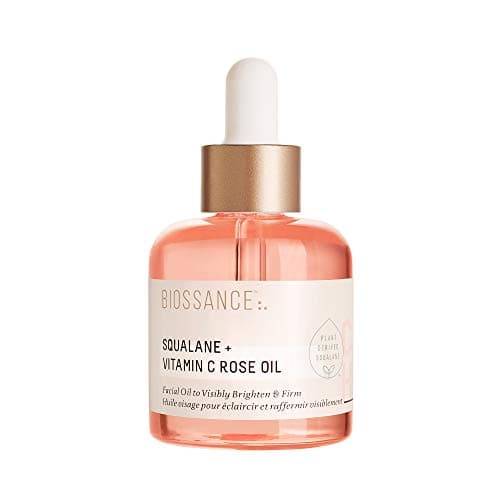
Biossance Squalane + Vitamin C Rose Oil
8.4A squalane oil carrying a stable vitamin C and rose — the pick when you want glow and brightening, not just plain hydration.
Read our review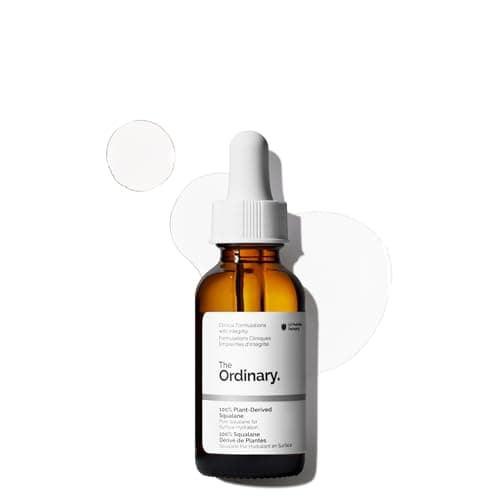
The Ordinary 100% Plant-Derived Squalane
9.2A single-ingredient, plant-derived squalane in a full 30 ml bottle at a low price, stocked almost everywhere — the default pick for most people.
Read our review
Youth To The People Superberry Dream Oil
8.2A squalane-and-omega glow oil with a hefty antioxidant load — reach for it when dull, tired skin needs reviving.
Read our reviewThe products, side by side
Morning or night?
Vitamin C is most often used in the morning, because its antioxidant role is about daytime environmental exposure and it sits well under sunscreen. Squalane works at either end of the day. So the common routine is: cleanse, vitamin C, wait, squalane, sunscreen in the morning; cleanse, whatever your evening active is, squalane at night. If a morning oil leaves you shiny under makeup, use fewer drops and give it the three minutes described in squalane under makeup.
Never mix squalane into your sunscreen to save a step — squalane before or after sunscreen explains why diluting an SPF product compromises the protection you are relying on. Squalane goes before it, always.
The two mistakes that waste a vitamin C serum
- Oil first. Applying squalane before a water-based serum puts a film between the serum and your skin. Thin to thick, every time.
- No wait. Giving the serum thirty seconds instead of two or three minutes means you are smearing it around with the oil rather than sealing it in. How long squalane takes to absorb covers the timings for both layers.
If you want the full picture on the two ingredients as alternatives rather than partners, squalane vs vitamin C compares what each one actually does. And if your interest in vitamin C is tone and brightness specifically, read does squalane lighten skin? first — squalane has no effect on pigment at all, and knowing which ingredient is doing which job saves money.
If you would rather buy the two in one bottle than layer them, the question becomes which form of vitamin C you are getting — the stable derivatives are oil-soluble, which is exactly why they suit a squalane base, and not every label tells you which one it used. Best vitamin C serum with squalane ranks the products we cover on whether the derivative is named and stable, and says plainly when buying the halves separately costs less.
Sources
Frequently asked questions
Can you use squalane and vitamin C together?
Yes. They do unrelated jobs — vitamin C is a water-soluble antioxidant, squalane is an oil-soluble emollient — and neither interferes with the other. Apply the vitamin C serum first on clean, slightly damp skin, wait two or three minutes, then press squalane on top to seal it in.
Which goes on first, squalane or vitamin C?
Vitamin C first. The rule is thin to thick, water before oil: a water-based serum needs to reach bare skin, and squalane is an oil that sits on the surface. Applying the oil first puts a film between your serum and your face, so some of the serum you paid for never gets through.
Does squalane help vitamin C absorb better?
It does not push the vitamin C in, but it does hold it and the water it was carrying against the skin for longer by slowing evaporation, which is a real benefit. It also makes a potent, low-pH vitamin C serum more tolerable on dry or sensitive skin, which matters more in practice than any absorption claim.
Does squalane stop vitamin C from oxidizing?
Not meaningfully. Vitamin C degrades in the bottle on exposure to air, light and warmth — not on your face after you have absorbed it. Opaque or airless packaging, a size you will finish, and cool storage are what protect potency. Squalane applied on top does nothing for the serum still in the bottle.
Is a squalane and vitamin C oil better than buying them separately?
It is more convenient and usually more expensive. A blended oil uses a gentler, more stable vitamin C derivative and has done the compatibility work for you, but you cannot adjust the strength and the squalane in it costs several times what a plain bottle does. If you already like a vitamin C serum, a plain squalane to layer over it is the better value.
Can I use squalane and vitamin C if my skin is sensitive?
Often yes, and squalane is the part that helps. Pure squalane is a single fragrance-free ingredient with no pH, so it is rarely the problem. A low-pH L-ascorbic acid serum is the more likely irritant; applying squalane over it, or as a buffer underneath, is a standard way to make it usable. Note that many squalane-plus-vitamin-C oils contain fragrance, which defeats the point for reactive skin.
Keep reading
Need the squalane half of the pair?
Our ranked squalane oil picks, each with a live price and cost per ounce — including the fragrance-free single-ingredient bottles that layer over any serum.
See the best squalane oils