Is Squalane a Humectant?
No — and knowing why is the single most useful thing you can learn about moisturizing. Here's the three-category map.
We may earn a commission if you buy through our links, at no extra cost to you. Prices are pulled live from Amazon and can change. How this works.
Short answer: no. Squalane is an emollient, with some occlusive behavior. It does not attract or bind water — it softens the skin surface and slows the water that's already there from escaping. That distinction sounds academic and is actually the most practical thing on this entire site, because it dictates the order you apply things in and explains why squalane sometimes seems to "do nothing" for people.
Moisturizing ingredients fall into three categories, and a good routine usually uses all three. Get the categories straight and skincare stops being a guessing game.
The three categories
Medical News Today describes humectants as ingredients that attract and bind water, drawing it from deeper layers of the skin to the outermost layer — and, in high humidity, from the surrounding air. Emollients are described as moisturizers that prevent water evaporating by providing a protective coating while softening and soothing the surface. Occlusives are the sealants. A good moisturizer usually contains something from all three classes.
Why squalane is an emollient, not a humectant
It comes down to chemistry. Humectants are water-loving molecules with plenty of sites that grab onto water — glycerin and hyaluronic acid are the classic examples. Squalane is the opposite: a fully saturated hydrocarbon with no polar groups at all, which is exactly why it's so stable and so unreactive. A molecule that can't interact with water can't attract it.
What it can do is sit in the gaps between the cells at the skin surface, softening the texture and reducing how fast water gets out. That's the emollient job, and squalane is very good at it — helped by the fact that it's structurally close to squalene, a lipid your own sebum already contains. See what is squalane? for the full background.
The practical consequence: squalane on dry skin seals in dryness. It needs water underneath it. That single sentence solves most "squalane didn't work for me" complaints.
How to use it correctly
- Leave skin damp after cleansing. Don't towel dry completely — that residual water is the moisture you're about to trap.
- Apply a humectant. A hyaluronic acid or glycerin-based serum onto the damp skin. This is the water layer.
- Press in squalane. Two to four drops, pressed rather than rubbed. This is the softening and sealing layer.
- Add an occlusive if needed. A cream on top, or something heavier on very dry patches in winter.
- Reverse none of it. An oil under a water-based serum blocks the serum from reaching skin, which is the most common layering mistake there is.
Does squalane hydrate at all, then?
It depends what you mean by hydrate, and the ambiguity is why the question keeps coming up. Squalane doesn't add water to skin. It does raise the water content of the outer layer over time, by reducing how much escapes — so skin genuinely ends up better hydrated after using it, just by a different route than a humectant takes.
If your skin is dehydrated (short on water), a humectant is the ingredient that addresses that directly, with squalane sealing it in. If your skin is dry (short on lipids), squalane addresses the actual deficiency, because the missing thing is oil. Most people benefit from both, which is why squalane vs hyaluronic acid concludes that they're teammates rather than alternatives — as does squalane vs glycerin.
Is squalane occlusive?
Partly, and much more gently than the ingredients that define the category. Petrolatum forms a near-complete film and is the benchmark for occlusion; squalane slows water loss without forming anything like that seal. That's why it feels weightless and why it works under sunscreen and makeup, and it's also why very dry or cracked skin often needs something heavier on top — see squalane vs petroleum jelly for that comparison.
The most accurate description is: a light emollient with mild occlusive behavior, which is a genuinely useful combination for everyday use across every skin type. Patch-test anything new, and see a dermatologist for persistent dryness or a barrier problem that a routine change doesn't fix.
Our squalane picks
If you're adding the emollient layer to your routine, these are the single-ingredient bottles we'd start with — each with a live price and computed cost per ounce.
Our squalane picks
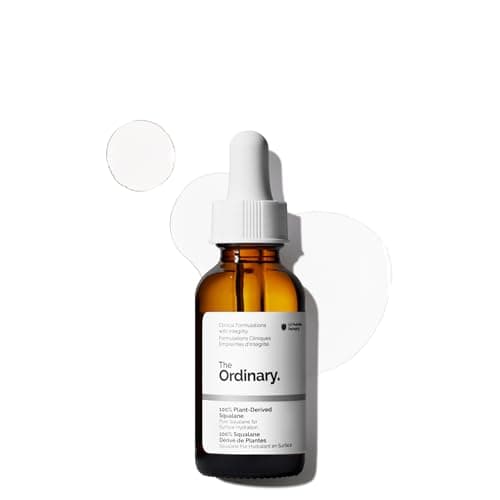
The Ordinary 100% Plant-Derived Squalane
9.2A single-ingredient, plant-derived squalane in a full 30 ml bottle at a low price, stocked almost everywhere — the default pick for most people.
Read our review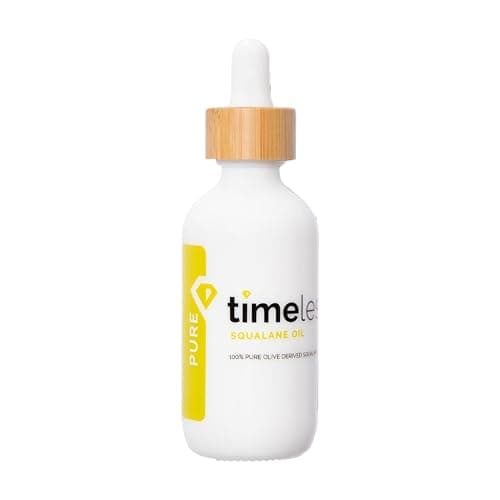
Timeless Skin Care 100% Pure Squalane
9.0A double-size, fragrance-free 100% squalane that usually lands at the lowest cost per ounce of any pick here.
Read our reviewThe two practical consequences of squalane being an emollient rather than a humectant each have their own page. Squalane on damp skin explains why the water has to be there before you seal it in, and squalane and hyaluronic acid covers the pairing that supplies that water deliberately.
If the categories are what you are trying to pin down, is squalane an oil? goes one level deeper: squalane is a saturated hydrocarbon rather than a triglyceride, which is why it behaves unlike every plant oil on the shelf.
The follow-up question is the useful one: if squalane is not a humectant, is it an occlusive? The short answer is that it is an emollient with mild occlusive behavior, which is not the same as a seal — is squalane an occlusive? sets out all three mechanisms side by side and explains when you need something heavier on top instead of more squalane.
Sources
Frequently asked questions
Is squalane a humectant?
No. Squalane is an emollient with mild occlusive behavior. It softens the skin surface and slows water loss, but it doesn't attract or bind water the way humectants such as glycerin and hyaluronic acid do.
Is squalane an emollient or an occlusive?
Primarily an emollient — it softens and smooths the surface by filling the gaps dryness creates. It also has some occlusive effect, slowing water evaporation, but far more gently than a true occlusive like petrolatum.
Does squalane hydrate skin?
Indirectly. It doesn't add water, but by reducing how much water escapes, it raises the water content of the outer layer over time. For direct hydration, apply a humectant like hyaluronic acid first, then squalane to seal it in.
Do I need a humectant if I use squalane?
Usually yes, especially if your skin is dehydrated rather than simply lacking oil. Squalane seals in whatever moisture is present, so applying it over damp skin and a humectant serum gets far better results than applying it to dry skin.
What's the difference between dry skin and dehydrated skin?
Dry skin lacks lipids — oil — which is what squalane supplies. Dehydrated skin lacks water, which is what humectants address. Many people have both, which is why the standard advice is a humectant on damp skin followed by an emollient to seal it.
Keep reading
Add the emollient layer
See our ranked squalane oil picks, each with a live price, cost per ounce, and who it suits.
See the best squalane oils