Squalane vs Petroleum Jelly
One seals like cling film, one sinks in. Both hold water in your skin — with completely different trade-offs.
We may earn a commission if you buy through our links, at no extra cost to you. Prices are pulled live from Amazon and can change. How this works.
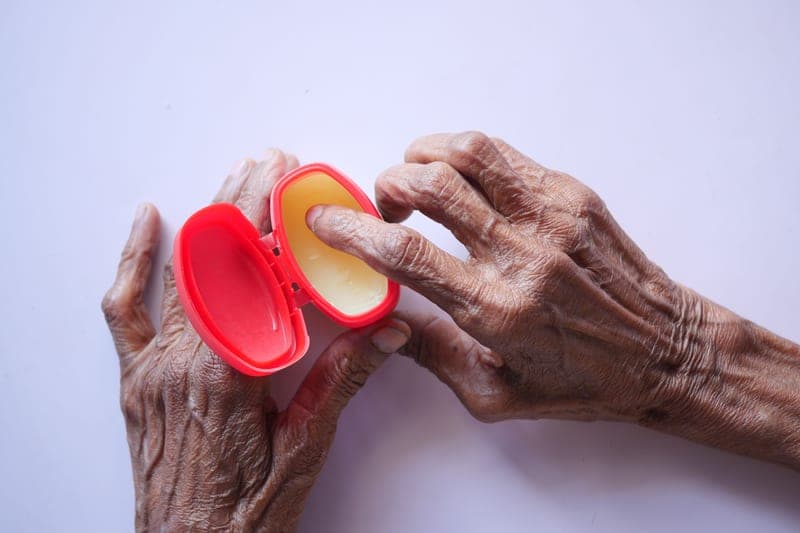
Petroleum jelly — Vaseline, petrolatum, whatever you call it in your bathroom cabinet — is arguably the most effective moisture-sealing ingredient ever put on skin. Dermatology sources describe it as a very occlusive ointment that forms a protective layer on the surface, sealing hydration in and keeping irritants out. It's also cheap, inert, and has been doing this job for well over a century.
Squalane doesn't compete with that on raw sealing power, and it isn't trying to. Squalane is an emollient: it absorbs into the surface layer, softens it, and slows water loss without forming a heavy film. The honest comparison isn't "which is better" — it's "which problem are you solving."
Squalane vs petroleum jelly at a glance
What petroleum jelly is genuinely best at
Cracked heels. Chapped lips in January. Hands raw from washing. A healing scrape you want to keep moist and covered. Petroleum jelly is unmatched for those, and it's what the American Academy of Dermatology recommends for exactly that kind of use. When the problem is "this skin is losing water faster than anything can replace it," you want the strongest barrier available, and that's petrolatum.
The trade-off is everything else. It's greasy, it stays greasy, it marks fabric, and nothing else in your routine can be applied over it. It doesn't absorb because it isn't designed to. And because it seals so completely, it locks in whatever was on your skin at the time — which is why the "slugging" trend that popularized it as an overnight face step comes with the caveat that you should apply it over clean skin and a moisturizer, not over active treatments.
What squalane does instead
Squalane is the everyday option. It absorbs in under a minute, leaves skin soft rather than slick, layers cleanly under sunscreen and makeup, and is commonly rated 0–1 on the comedogenic scale — so you can use it on the face, morning and night, without the practical downsides. It's kin to squalene, a lipid your skin already makes, so it integrates rather than sitting on top.
It seals less aggressively than petrolatum. That's a genuine limitation on severely compromised skin, and we'd rather say so than pretend otherwise. But for the overwhelming majority of daily moisturizing — dry cheeks, tight skin after cleansing, buffering a retinoid, sealing a hydrating serum — moderate sealing you'll actually use every day beats maximum sealing you'll use twice.
Neither one adds water to your skin. Both are moisture *retainers*, so both work best applied over slightly damp skin or over a humectant like hyaluronic acid — otherwise you're sealing a dry surface. See is squalane a humectant? for the distinction.
Which should you choose?
- Choose squalane if you want a daily face oil, need something that layers under sunscreen or makeup, have oily or acne-prone skin, or simply won't tolerate a greasy finish.
- Choose petroleum jelly if you're dealing with cracked lips, split fingertips, raw hands, chapped patches, or you want a heavy overnight seal on a small area.
- Use both if your skin is very dry: squalane over damp skin as the daily step, petrolatum reserved for the specific spots and nights that need it.
- Avoid petrolatum on breakout-prone areas of the face during the day, and over active acne treatments overnight.
Using them together
There's no conflict between them, and for very dry skin the combination is genuinely better than either alone. The order is thinnest to thickest, as always: hydrating serum onto damp skin, squalane pressed in to soften and seal, then a thin layer of petroleum jelly on top of the areas that need real occlusion — usually lips, the sides of the nose in winter, or cracked hands.
On the face specifically, keep the petrolatum layer thin and skip it if you're acne-prone or using an overnight treatment. Our squalane for dry skin guide covers the daily routine, and squalane for lips covers where these two overlap most. Squalane is a comfort step, not a treatment — persistent cracking or painful dryness deserves a doctor.
Our squalane picks
For the daily, absorbs-in-a-minute half of that routine, these are the bottles we'd start with — each with a live price and computed cost per ounce.
Our squalane picks
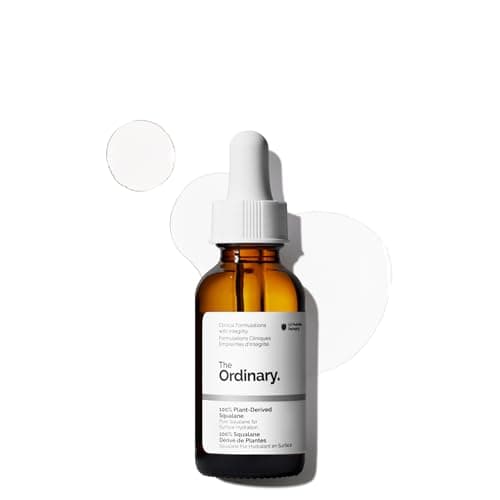
The Ordinary 100% Plant-Derived Squalane
9.2A single-ingredient, plant-derived squalane in a full 30 ml bottle at a low price, stocked almost everywhere — the default pick for most people.
Read our review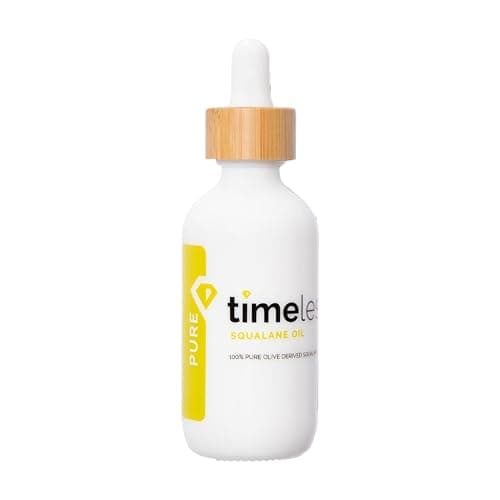
Timeless Skin Care 100% Pure Squalane
9.0A double-size, fragrance-free 100% squalane that usually lands at the lowest cost per ounce of any pick here.
Read our reviewThat difference in sealing power has a name, and it is worth being precise about it: petrolatum is a true occlusive, while squalane is an emollient that only slows water loss. Is squalane an occlusive? spells out the distinction and what it means for layering, cracked skin and whether an oil can block an active.
Sources
Frequently asked questions
Is squalane better than Vaseline?
For daily face use, yes — squalane absorbs, leaves no grease, layers under sunscreen and makeup, and is commonly rated 0 to 1 on the comedogenic scale. For sealing severely cracked skin, lips, or a healing wound, petroleum jelly's stronger occlusion is better.
Can you use squalane and petroleum jelly together?
Yes. Apply a hydrating serum to damp skin, press in squalane, then a thin layer of petroleum jelly on the areas that need heavy sealing. Thinnest to thickest is the correct order. Keep petrolatum off acne-prone areas and off active overnight treatments.
Is petroleum jelly an emollient or an occlusive?
Primarily an occlusive — it forms a film on the skin surface that dramatically slows water loss. It has some emollient softening effect, but its defining property is sealing. Squalane, by contrast, is an emollient that absorbs into the surface layer.
Does petroleum jelly clog pores?
Petrolatum itself is generally considered non-comedogenic, but because it seals so completely it traps whatever is underneath it. On breakout-prone skin, apply it only over clean skin and avoid layering it over heavy or active products.
Is squalane strong enough for very dry skin?
For most dry skin, yes, especially applied over a humectant on damp skin and under a moisturizer. For cracked, painful, or severely compromised patches, a stronger occlusive like petroleum jelly is more appropriate — and persistent cases warrant a doctor's advice.
Keep reading
Find your daily squalane
See our ranked squalane oil picks, each with a live price, cost per ounce, and who it suits.
See the best squalane oils