Squalane vs Mineral Oil
One is a plant-derived featherweight; the other a petroleum-derived occlusive. Both work — the difference is feel, source, and finish.
We may earn a commission if you buy through our links, at no extra cost to you. Prices are pulled live from Amazon and can change. How this works.
Mineral oil has an unfairly bad reputation, and squalane is sometimes sold as the 'clean' alternative — but the real comparison is more interesting than that. Mineral oil is a highly refined, cosmetically safe occlusive that's very good at stopping water loss and costs almost nothing. Squalane is a light, plant-derived emollient that's more cosmetically elegant, non-comedogenic, and mimics your skin's own lipids. Both are effective; they just feel different and come from different places.
The quick answer: if you want the cheapest possible, well-proven occlusive and don't mind a heavier feel or a petroleum source, mineral oil genuinely works. If you want a lighter finish, a plant-derived ingredient, and a very low comedogenic rating, squalane is the nicer everyday oil for most faces.
Squalane vs mineral oil at a glance
What mineral oil does well — and the safety question
Mineral oil is an excellent occlusive: it forms a barrier on the skin that reduces water loss by roughly 20–30%, which makes it very effective at keeping moisture in on dry or compromised skin. It's also extremely cheap, stable, and — this is the part people miss — cosmetically safe. The cosmetic-grade mineral oil in skincare is highly refined and FDA-approved for topical use; the health concerns you may have read about relate to unrefined industrial petroleum containing polycyclic aromatic hydrocarbons, not the purified oil in your moisturizer.
Its real downsides are aesthetic and personal: it feels heavier and sits on the skin as more of a film, and while it's classed as non-comedogenic, some people do find it contributes to breakouts. It's also petroleum-derived, which matters if you prefer plant-based, vegan ingredients.
Where squalane pulls ahead
Squalane's advantages are feel, source, and skin-affinity. It's dramatically lighter than mineral oil, absorbing in under a minute with a soft, near-matte finish rather than a lasting film, and it's plant-derived and vegan. Because it mimics squalene, a lipid your skin already makes, it tends to feel more natural on the skin — the background is in what is squalane?.
It's also commonly rated 0–1 on the comedogenic scale, which makes it a confident choice for oily and acne-prone skin; is squalane comedogenic? explains what that means. For most faces, squalane simply feels like the more pleasant, modern option.
Buyer-first verdict: mineral oil is safe, cheap, and effective — it's not the villain it's made out to be. But squalane is lighter, plant-derived, and lower on the comedogenic scale, which makes it the nicer everyday oil for the face and for oily skin.
Which should you choose?
- Choose squalane if you want a light, plant-derived, non-comedogenic oil for the face, or prefer a vegan ingredient with a weightless finish.
- Choose mineral oil if you want the cheapest proven occlusive, need heavy-duty protection against water loss, and don't mind a heavier feel or a petroleum source.
- Good to know: cosmetic-grade mineral oil is safe — the choice here is about feel and source, not danger.
Our squalane picks
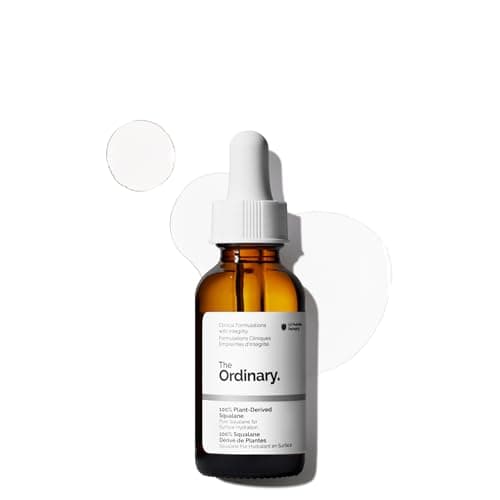
The Ordinary 100% Plant-Derived Squalane
9.2A single-ingredient, plant-derived squalane in a full 30 ml bottle at a low price, stocked almost everywhere — the default pick for most people.
Read our review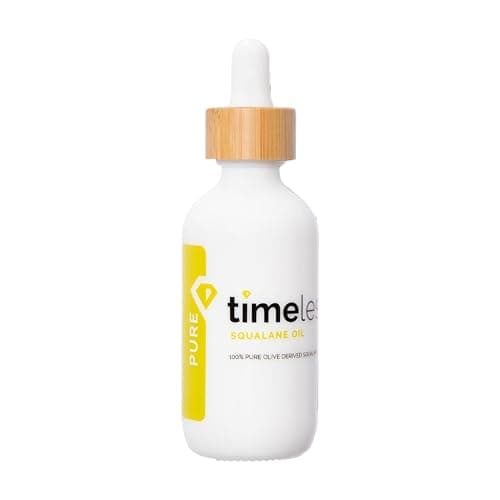
Timeless Skin Care 100% Pure Squalane
9.0A double-size, fragrance-free 100% squalane that usually lands at the lowest cost per ounce of any pick here.
Read our reviewHow to use squalane
Squalane goes near the end of your routine, after water-based serums and before or mixed into moisturizer — a few drops, pressed in. On very dry skin it can be layered over a hydrating serum to seal in water, doing the same water-locking job as an occlusive but with a lighter touch. See how to use squalane oil and squalane for dry skin. Patch-test any new product first.
Sources
Frequently asked questions
Is squalane better than mineral oil?
For most faces, squalane feels better: it's lighter, plant-derived, fragrance-free, and commonly rated 0 to 1 on the comedogenic scale. Mineral oil is a heavier but highly effective and very cheap occlusive. Both work — squalane wins on feel and source, mineral oil wins on cost.
Is mineral oil bad for your skin?
No — the cosmetic-grade mineral oil used in skincare is highly refined and FDA-approved for topical use. The safety concerns you may have read about relate to unrefined industrial petroleum, not the purified oil in moisturizers. Some people do find mineral oil heavy or breakout-prone, which is a separate, personal issue.
Is mineral oil comedogenic?
Cosmetic-grade mineral oil is classed as non-comedogenic, though some people find it contributes to breakouts. Squalane, at a commonly cited 0 to 1, is the lower-risk choice for oily or acne-prone skin and feels much lighter.
Is squalane a natural alternative to mineral oil?
Squalane is plant-derived (usually from sugarcane or olives) and vegan, so it's often chosen as a plant-based, lighter alternative to petroleum-derived mineral oil. Both reduce water loss; squalane does it with a weightless, non-comedogenic finish.
Keep reading
Ready to pick a squalane oil?
See our ranked squalane oil picks, each with a live price, cost per ounce, and who it suits.
See the best squalane oils