Is Squalane an Occlusive or an Emollient?
Both labels get used, and only one of them is accurate. Squalane is an emollient that slows water loss a little — which is not the same thing as sealing it in.
We may earn a commission if you buy through our links, at no extra cost to you. Prices are pulled live from Amazon and can change. How this works.
Squalane is an emollient first, with mild occlusive behavior — it is not a true occlusive. The practical upshot: squalane softens the surface of your skin and slows water escaping from it, but it does not seal skin the way petrolatum does, and if your skin is genuinely cracked or losing water fast you want something heavier over the top rather than more squalane. For most people on most days that is a feature, not a shortcoming: squalane gives you the water-loss benefit at a weight you will actually wear in the morning, which is why it suits oily and combination skin where a true occlusive is unbearable. The cheapest way to try it is a single-ingredient bottle — The Ordinary 100% Plant-Derived Squalane.
The confusion is understandable, because the three words used to sort moisturizing ingredients — humectant, emollient, occlusive — describe mechanisms, not product categories, and plenty of ingredients do more than one. Squalane is the awkward case that sits between two of them.
The three mechanisms, in one table
Dermatology references sort moisturizing ingredients by what they physically do. A humectant pulls water in; an emollient fills the gaps between surface cells so skin feels soft and smooth; an occlusive forms a film that physically slows evaporation. A good moisturizer usually contains all three.
So squalane is an emollient that does a bit of the occlusive job as a side effect of being a lipid sitting on your skin. Calling it "an occlusive" overstates it. Calling it "just an emollient" undersells the barrier effect, which is real and is one of the things squalane is actually studied for — does squalane help the skin barrier? goes into that evidence.
Why squalane is a weaker seal than petrolatum
Petrolatum is a semi-solid mixture of long-chain hydrocarbons that stays put as a film. Squalane is a liquid hydrocarbon that spreads thin and absorbs into the surface rather than resting on it — which is exactly why it feels light and disappears in a minute, and exactly why it does not form the same continuous barrier. The same molecular property delivers both the pleasant texture and the weaker seal. You cannot have one without the other, and marketing copy that promises both is describing two different products.
That is not a criticism of squalane; it is the trade-off you are buying. A true occlusive on an oily face in August is intolerable. Squalane is wearable twice a day, every day, under sunscreen and under makeup — see squalane under makeup. Our squalane vs petroleum jelly comparison puts the two side by side, and squalane vs dimethicone does the same for the silicone most "barrier" products use.
Is squalane a humectant? No — and that matters
Squalane attracts no water whatsoever. It is a hydrocarbon; there is nothing in its structure for a water molecule to bond to. This is the single most practical consequence of the chemistry, because it means squalane has no water of its own to give your skin — it can only slow the loss of water that is already there. Which is why applying it to skin that is still slightly damp genuinely works better than applying it to a dry face: you are giving it something to hold onto. Is squalane a humectant? covers this in full, and squalane on damp skin covers the technique.
What this means for how you use it
- Apply it to damp skin, not dry. An emollient with no humectant action needs water present to be worth anything.
- Layer a humectant under it if your skin is dehydrated. Hyaluronic acid or glycerin first, squalane on top — see squalane and hyaluronic acid.
- Add a real occlusive on top for cracked skin, not more squalane. Heels, hands in winter, a face that has flaked for weeks: that is a job for an ointment, with squalane underneath if you like.
- Do not expect it to block an active. This is good news when you are layering: squalane applied over a serum does not lock the serum out, which is why every pairing guide on this site puts the oil last.
- Two or three drops is the dose. More squalane does not build a thicker seal; it just sits on your face. Weight comes from a different ingredient, not from more of this one.
What to buy, depending on what you need
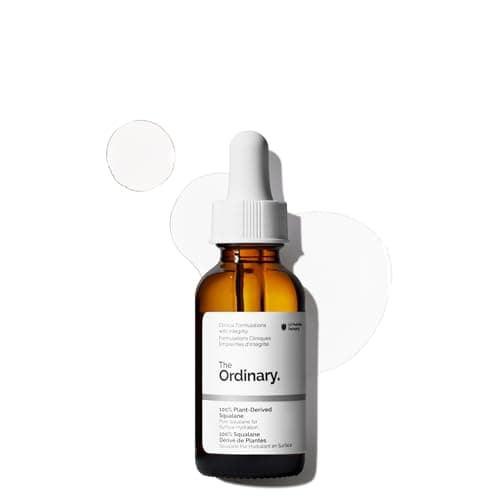
The Ordinary 100% Plant-Derived Squalane
9.2A single-ingredient, plant-derived squalane in a full 30 ml bottle at a low price, stocked almost everywhere — the default pick for most people.
Read our review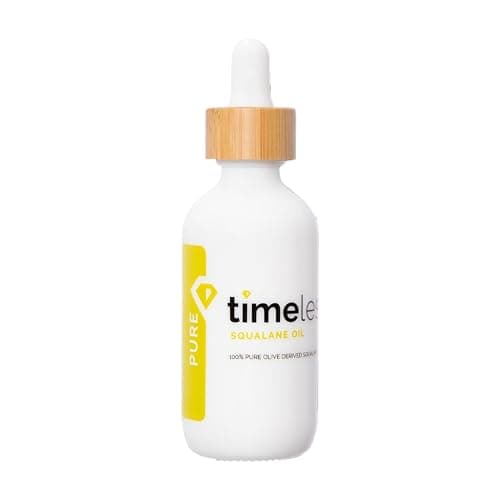
Timeless Skin Care 100% Pure Squalane
9.0A double-size, fragrance-free 100% squalane that usually lands at the lowest cost per ounce of any pick here.
Read our review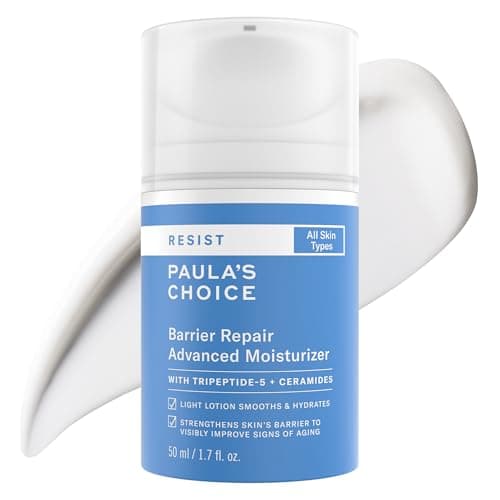
Paula's Choice RESIST Barrier Repair Advanced Moisturizer
8.1Squalane 6th of 35 inside a genuine five-ceramide-plus-cholesterol barrier formula, with no fragrance on the list.
Read our reviewWhen you want a cream instead
If what you need is a seal rather than a softener, a formulated cream will beat a plain oil, and the reason is that it contains all three mechanisms at once: humectants to draw water in, emollients including squalane to smooth, and film-formers or waxes to slow evaporation properly. The Paula's Choice RESIST Barrier Repair Advanced Moisturizer is the example in our registry — squalane sixth of thirty-five with five ceramides, cholesterol, urea, sodium PCA and hyaluronate behind it, which is three mechanisms in one jar. Squalane oil vs moisturizer is the full comparison of the two approaches, and best squalane and ceramide moisturizer ranks the creams on what sits behind the squalane.
For most people the sensible routine uses both: the cream when skin is struggling, the oil when it is not, and the oil over the cream on the few patches that need it. That is cheaper than buying a heavier cream for winter and a lighter one for summer, which is the usual alternative.
Sources
- Healthline — Humectant: Definition, Common Examples, and Products
- Medical News Today — Humectant: Examples and Benefits for Skin, Hair, and Lips
- Cleveland Clinic — Choosing the Best Moisturizer for Dry Skin
- PMC — Squalene and skin barrier function (PMC6253993)
- Cleveland Clinic — Squalane: Benefits and How To Use It
Frequently asked questions
Is squalane an occlusive?
Only mildly. Squalane is primarily an emollient - it fills the gaps between surface cells and softens skin - and it slows water loss as a secondary effect. It does not form the continuous film that a true occlusive like petrolatum does, because it is a light liquid hydrocarbon that spreads and absorbs rather than sitting on the surface.
Is squalane an emollient or an occlusive?
An emollient, with mild occlusive behavior. Those are the two mechanisms it has; it has no humectant action at all. If you need a genuine seal - cracked heels, hands in winter, skin that has flaked for weeks - put a true occlusive ointment on top rather than using more squalane.
Is squalane a humectant?
No. Squalane is a hydrocarbon and attracts no water, so it has no water of its own to give your skin. It can only slow the loss of water already there, which is why applying it to slightly damp skin works noticeably better than applying it to a dry face.
Is squalane as good as Vaseline for sealing in moisture?
No, and it is not trying to be. Petrolatum forms a semi-solid film that stays put and blocks evaporation far more effectively. Squalane is a light liquid that absorbs into the surface, so the seal is weaker - which is the same property that makes it wearable on an oily face in summer and under makeup.
Does squalane block other products from absorbing?
Not meaningfully, which is why every layering guide puts it last. It is not an impermeable film. Applied over a water-based serum it does not lock the serum out; applied under one it slows the serum down for no benefit. Water before oil is the rule.
What should I put on top of squalane for very dry skin?
A cream or ointment that contains real film-formers - petrolatum, dimethicone or waxes - plus humectants. A formulated barrier cream with ceramides and cholesterol gives you all three mechanisms at once, which plain squalane cannot. Squalane underneath it is still worth having; more squalane instead of it is not.
Why does squalane feel like it disappears?
Because it is a light liquid hydrocarbon that spreads very thin and absorbs into the surface layer rather than resting on top of it. That texture and the relatively weak seal are the same property seen from two sides - you cannot have the featherweight feel and a petrolatum-grade barrier in one ingredient.
Keep reading
Decide which one you need
A plain oil to layer, or squalane built into a full cream with humectants and film-formers — the two approaches compared.
Oil or moisturizer?