Squalane Oil vs Squalane Moisturizer
One is a single, flexible emollient you layer or mix; the other is a full cream that does more in one step. Here's how to choose — or use both.
We may earn a commission if you buy through our links, at no extra cost to you. Prices are pulled live from Amazon and can change. How this works.
The difference is simpler than it sounds. A squalane oil is one pure ingredient — just squalane — that you layer into whatever routine you already have. A squalane moisturizer is a full cream that happens to include squalane alongside other ingredients, so it does more of the work in a single step. Neither is better; they're built for different jobs.
Quick answer: if your skin runs oily or you like a flexible, minimal routine, a pure squalane oil is the cheapest and most adaptable way to get the ingredient. If your skin is very dry or you'd rather do one step instead of three, a squalane moisturizer folds the same emollient into a richer cream. Plenty of people use both — the oil to layer, the cream to seal.
Oil vs moisturizer at a glance
How the two formats compare:
What a pure squalane oil does
A 100% squalane oil is a single emollient — an ingredient that softens the skin surface and helps seal in water, reducing the trans-epidermal water loss that leaves skin feeling tight. Because there's nothing else in the bottle, it's endlessly flexible: press a few drops over a serum, mix a drop into your moisturizer, smooth it through dry hair ends, or dab it on rough patches. It's also the cheapest way to get squalane, since you're paying for one ingredient and no extras.
The honest limitation is that an oil has no humectant of its own. Emollients seal water in, but they don't draw water into the skin the way a humectant such as glycerin or hyaluronic acid does. So an oil works best over a damp face or on top of a water-based hydrator — on completely dry skin it seals in whatever is already there rather than adding hydration. That's not a flaw; it's just what an emollient is for. We break the pairing down in squalane vs hyaluronic acid.
What a squalane moisturizer does
A squalane moisturizer builds that same emollient into a complete cream. Alongside squalane you'll usually get humectants that pull in water, occlusives that lock it down, and sometimes extra actives like ceramides or niacinamide. The result is a one-step product that hydrates, seals, and softens together — richer and more cushioning than a bare oil, and less to think about.
The trade-offs are flexibility and cost. You can't easily 'un-mix' a cream to use on your hair or slot under something specific, and because you're paying for a full formulation rather than one ingredient, it costs more per use than a plain oil. For dry or mature skin that wants comfort in a single step, that's often a worthwhile trade; for oily skin that only needs a light seal, it can be more than necessary.
Which should you use?
- Choose the oil if your skin is oily or combination, you like a minimal or customizable routine, you want the lowest-cost way to get squalane, or you want one product for face, hair, and body.
- Choose the moisturizer if your skin is dry, dehydrated, or mature, you prefer one step over layering, or you want humectants and a richer seal built in.
- Choose both if you want the flexibility of an oil and the comfort of a cream — a common combination in colder, drier months.
Rule of thumb: an oil seals, a moisturizer seals and adds water. If your skin feels tight and dehydrated, you want the water a moisturizer (or a humectant serum under your oil) provides — not just more oil on top.
Using both together
They layer naturally, because skincare goes thinnest to thickest. Apply any water-based serum first, press in a few drops of squalane oil, then seal with your moisturizer on top — the oil buffers and softens while the cream locks everything down. On very dry days this 'serum, oil, cream' order gives you the most staying power. If mornings feel heavy, keep the oil for nighttime and the moisturizer for the day, or the other way around. There's no wrong combination as long as the lightest textures go on first. For the full step order, see how to use squalane oil, and for extra-dry skin, squalane for dry skin.
What about cost?
Cost usually tips people one way or the other, and here the oil has a clear edge. A 100% squalane oil is the cheapest way to get the ingredient, because you're paying for one thing and nothing else — and the budget bottles are genuinely inexpensive. A squalane moisturizer folds in humectants, occlusives, and often other actives, plus the work of blending them into a stable cream, so it costs more per use. You're paying for convenience and a fuller formula, not for better squalane.
That doesn't make the cream a worse deal — for very dry skin, one well-chosen moisturizer can replace two or three separate steps, which has its own value. But if budget is the deciding factor, a plain oil layered over your existing routine is the lower-cost route, and you can always add a richer cream later if you find you need it. We list the live price and cost per ounce on every oil pick so you can see exactly where each option lands.
An oil and a moisturizer to consider
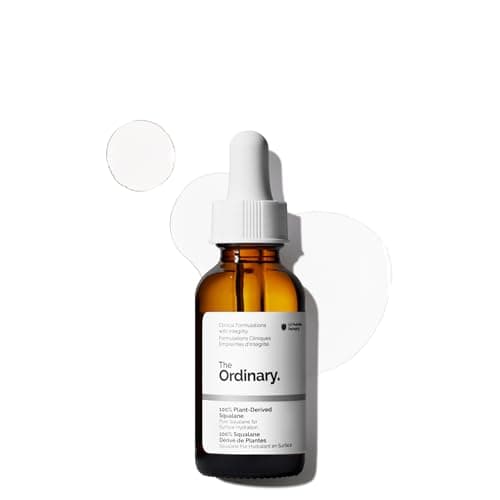
The Ordinary 100% Plant-Derived Squalane
9.2A single-ingredient, plant-derived squalane in a full 30 ml bottle at a low price, stocked almost everywhere — the default pick for most people.
Read our review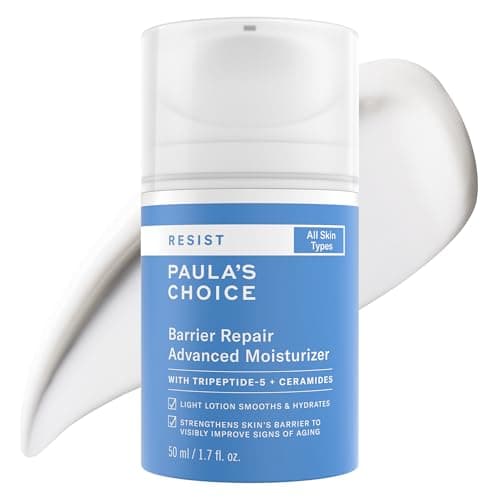
Paula's Choice RESIST Barrier Repair Advanced Moisturizer
8.1Squalane 6th of 35 inside a genuine five-ceramide-plus-cholesterol barrier formula, with no fragrance on the list.
Read our reviewSources
Frequently asked questions
Is a squalane oil or moisturizer better?
Neither is universally better — they do different jobs. A pure squalane oil is a flexible, low-cost emollient you layer into any routine, while a squalane moisturizer builds that emollient into a richer, one-step cream with added humectants. Oily or minimalist skin often prefers the oil; very dry skin often prefers the moisturizer.
Do you still need a moisturizer if you use squalane oil?
Often, yes. Squalane oil seals in moisture but has no humectant of its own, so it doesn't add water to the skin. Pairing it with a water-based hydrator or a moisturizer gives you both the water and the seal. On its own, an oil mainly locks in what's already there.
Can you use squalane oil and moisturizer together?
Yes, and many people do. Apply the oil first, or mix a drop into your cream, then the moisturizer on top, always working from lightest to richest texture. The oil softens and buffers while the moisturizer locks everything in.
Is squalane oil a moisturizer?
It moisturizes in the sense that it softens skin and seals in water, but it isn't a full moisturizer. A true moisturizer usually combines humectants, emollients, and occlusives; a squalane oil is just the emollient part.
Keep reading
See our squalane oil picks
Compare the squalane oils we recommend, each with a live price, cost per ounce, and who it suits.
See the best squalane oils