Is Squalane an Oil?
It behaves like an oil and it is sold as one. Chemically it is not: squalane is a saturated hydrocarbon, not a triglyceride — and that single fact explains almost everything unusual about it.
We may earn a commission if you buy through our links, at no extra cost to you. Prices are pulled live from Amazon and can change. How this works.
In everyday use, yes. In chemistry, no. Squalane is a liquid lipid that feels like an oil, spreads like an oil and is sold in a dropper bottle labelled oil — so calling it one is perfectly reasonable. But it is not a plant oil in the chemical sense: plant oils are triglycerides, three fatty acids attached to a glycerol backbone, while squalane is a saturated hydrocarbon with the formula C30H62 and no fatty acids in it at all. That is not trivia. Almost every way squalane behaves differently from argan, rosehip or coconut oil traces back to it.
The practical version, if you only want one paragraph: squalane does not go rancid the way plant oils do, it does not supply the fatty acids some oils are valued for, it is lighter and absorbs faster than a triglyceride of similar weight, it is one of the very few oils rated at the friendly end of the comedogenic scale, and the fungus behind fungal acne cannot eat it. All five of those follow from the chemistry.
What squalane actually is
Your skin makes squalene (with an 'e'), a hydrocarbon that is one of the lipids in sebum. Squalene has six double bonds, which is what makes it react readily with oxygen — useful biologically, hopeless in a bottle. Squalane (with an 'a') is squalene with those double bonds saturated with hydrogen. The molecule is now chemically inert, shelf-stable and colourless, and that one change is the entire reason the cosmetics industry uses squalane rather than squalene. We cover the difference in full in squalane vs squalene.
Because the starting material can be almost anything that contains squalene, the plant source does not survive the process in any detectable way. Sugarcane-derived and olive-derived squalane are the same molecule once hydrogenated, which is why where squalane comes from is a question about supply chains and ethics rather than about performance.
Squalane against the things people compare it to
Is squalane an occlusive?
Partly, and the honest answer is that the categories overlap. Moisturising ingredients are usually sorted into three groups: humectants draw water in, emollients soften and smooth the surface, occlusives form a barrier that physically slows water escaping. Squalane is primarily an emollient with a real but moderate occlusive effect. It is nowhere near petrolatum, which is the reference standard for occlusion and is also the reason petrolatum feels like petrolatum. And it is not a humectant at all — it contains no water and adds none, which is precisely why it works best pressed onto skin that is still damp. Is squalane a humectant? has the full three-category map.
Is squalane an essential oil?
No, and this one matters for anyone avoiding essential oils on purpose. Essential oils are volatile aromatic extracts — lavender, tea tree, citrus peel — valued for their scent and their plant chemistry, and they are a common cause of skin irritation and of allergic contact dermatitis, which is why dermatologists so often tell reactive skin to avoid them. Squalane is the opposite on every axis: it has no scent, it does not evaporate, and there are no aromatic compounds in it. A single-ingredient squalane is one of the least likely products on any shelf to cause a reaction.
Is a squalane cleanser an oil cleanser?
In the way that counts, yes. Oil cleansing works on the principle that like dissolves like: a lipid will dissolve the sebum, sunscreen and long-wear makeup that water and surfactants struggle with. Squalane does that job as well as any triglyceride oil, so a squalane-based balm cleanser is a true oil cleanser — one that then emulsifies and rinses away. A *foaming* oil cleanser is a different animal: it is a surfactant cleanser with oils in the formula, so the squalane is a conditioning ingredient rather than the cleansing mechanism. We compare the two directly in The Ordinary vs CeraVe squalane cleanser.
Why the distinction changes what you buy
- If you want stability, squalane is the pick over any pressed plant oil. Saturated means there is nothing for oxygen to attack, which is why it keeps for a long time — see does squalane expire?.
- If you want fatty acids, squalane cannot give them to you. Barrier-repair arguments that depend on linoleic acid point to sunflower or safflower oil, not to squalane.
- If you break out from oils, squalane is the exception worth trying, at a commonly cited 0–1 rating rather than the 2–4 many plant oils carry.
- If you have fungal acne, squalane is the usual recommendation precisely because it is a hydrocarbon rather than an ester or a fatty acid.
- If you want a heavy seal, squalane is the wrong tool and petrolatum is the right one. Squalane is a daily emollient, not an overnight occlusive mask.
Single-ingredient squalane, where the chemistry is all you get
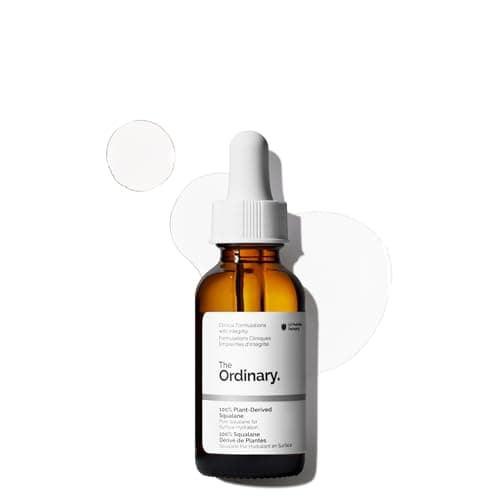
The Ordinary 100% Plant-Derived Squalane
9.2A single-ingredient, plant-derived squalane in a full 30 ml bottle at a low price, stocked almost everywhere — the default pick for most people.
Read our review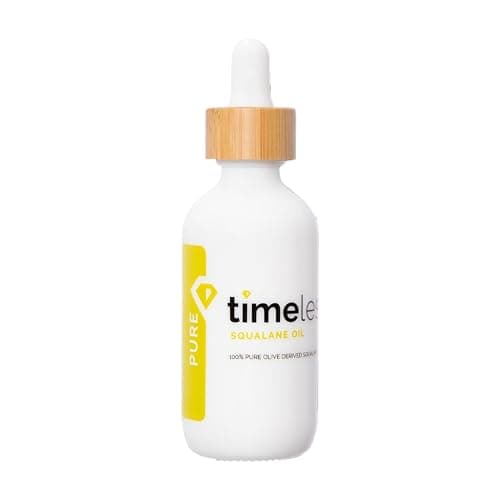
Timeless Skin Care 100% Pure Squalane
9.0A double-size, fragrance-free 100% squalane that usually lands at the lowest cost per ounce of any pick here.
Read our review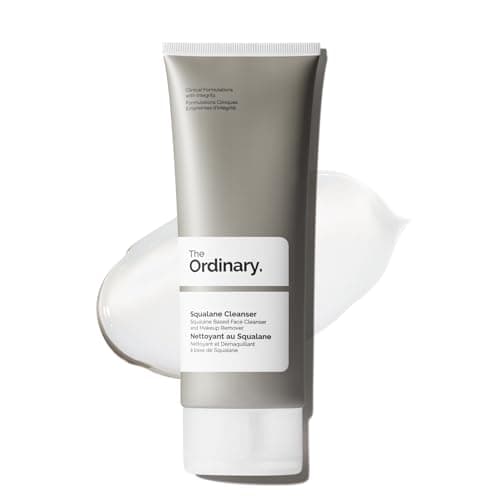
The Ordinary Squalane Cleanser
8.9A squalane-based melting balm cleanser that dissolves makeup and sunscreen without stripping the barrier — the standout squalane cleanser.
Read our reviewSo: call it an oil. Everyone does, including us, because the alternative is saying "liquid saturated hydrocarbon emollient" on every product page. Just know that the label is a convenience, and that when squalane behaves unlike the other bottles on your shelf — not turning, not clogging, not feeding Malassezia, disappearing in a minute — the reason is that it was never really one of them.
This is also why the word "serum" tells you so little. A serum is a marketing position rather than a formulation fact, and the squalane serums on the market are oils with actives in them, not a different kind of liquid. Squalane oil vs serum compares the two side by side and prices the actives per ounce.
Sources
Frequently asked questions
Is squalane an oil?
In everyday terms yes, in chemical terms no. Plant oils are triglycerides — three fatty acids on a glycerol backbone — whereas squalane is a saturated hydrocarbon, C30H62, with no fatty acids in it. It looks, feels and is sold like an oil, but the chemical difference is what makes it unusually stable, unusually light and unusually unlikely to clog a pore.
Is squalane an occlusive or an emollient?
Primarily an emollient, with a real but moderate occlusive effect. It softens and smooths the surface and slows water escaping, but it is nowhere near petrolatum, which is the reference standard for occlusion. It is definitely not a humectant: it contains no water and adds none, which is why it works best applied to skin that is still slightly damp.
Is squalane an essential oil?
No. Essential oils are volatile aromatic plant extracts, valued for scent and a common cause of irritation and allergic contact dermatitis. Squalane has no scent, does not evaporate and contains no aromatic compounds. A single-ingredient squalane is one of the least reactive products you can put on skin.
Is squalane a carrier oil?
It is used as one, and it is a good one. Carrier oils dilute concentrated materials and spread them over skin, and squalane's stability makes it better at that than most pressed oils — it will not turn and take your blend with it. What it does not contribute is the fatty acid profile people sometimes want from a carrier like jojoba or sunflower.
Is a squalane cleanser an oil cleanser?
A squalane balm cleanser is a genuine oil cleanser: it works by dissolving sebum, sunscreen and makeup the way any lipid does, then emulsifies and rinses. A foaming oil cleanser is different — it is a surfactant cleanser that contains oils, so the squalane conditions rather than doing the cleansing.
Does squalane go rancid like other oils?
It is far more resistant, and the reason is structural. Rancidity is oxidation at double bonds, and hydrogenating squalene into squalane removes them. Keep it out of direct sun with the cap on and it lasts a long time, which is exactly why the industry switched to squalane in the first place.
Is squalane the same as squalene?
No — one letter, one big difference. Squalene is the unstable, unsaturated lipid your own sebum contains; squalane is its hydrogenated, saturated, shelf-stable version. Products list squalane because squalene oxidises too quickly to survive in a bottle.
Keep reading
Want the one-ingredient version?
A 100% squalane oil is the chemistry and nothing else. Our ranked picks, with live prices and cost per ounce.
See the best squalane oils