Does Squalane Oil Expire?
Yes, eventually — but squalane is one of the most shelf-stable oils you can own, so here's how long it really lasts and how to store it.
We may earn a commission if you buy through our links, at no extra cost to you. Prices are pulled live from Amazon and can change. How this works.
Yes — squalane does eventually expire, but it lasts unusually well. Of all the facial oils you might keep on a shelf, squalane is one of the most stable, because it's the hydrogenated (saturated) form of squalene. That chemistry is exactly why it resists going rancid far longer than the raw squalene your skin makes, and longer than many polyunsaturated plant oils.
So while squalane isn't immortal, you're far more likely to simply finish the bottle than to watch it spoil — provided you store it sensibly. Here's why it's so shelf-stable, roughly how long it keeps, how to store it, and how to tell if a bottle has finally turned.
Why squalane is so shelf-stable
Oils go 'off' mainly through oxidation — oxygen reacting with the fat molecules and turning them rancid. What makes a fat vulnerable is its double bonds: the more of them, the more places oxygen can attack. Squalene, the lipid your skin produces, is full of those double bonds, which is why it oxidizes quickly and doesn't keep well in a bottle.
Squalane is what you get when squalene is hydrogenated — its double bonds saturated with hydrogen. Removing those reactive bonds is precisely what makes squalane shelf-stable, lightweight, and gentle, and it's the same reason skincare uses squalane instead of squalene in the first place (more on that in what is squalane?). This is the same instability that makes fresh squalene short-lived on your skin, and it's why the bottled ingredient is always the saturated version. Compared with polyunsaturated plant oils, which oxidize relatively fast, saturated squalane holds up remarkably well.
So how long does squalane last?
There's no single official number, and you should be wary of anyone who quotes one as hard fact. As a general guide, many brands suggest something like three years unopened and around a year once opened — but treat that as typical manufacturer guidance rather than a rule, because it varies by product, packaging, and formula. A blend with other oils or botanicals will usually have a shorter life than 100% squalane, since a product is only as stable as its least stable ingredient.
The most reliable source of truth is the bottle itself. Look for a printed expiry or best-before date, or the little open-jar symbol with a number like '12M' or '24M', which tells you how many months the product is meant to stay good after opening. When the calendar and your senses disagree, trust how the oil actually looks and smells.
Storage tips the odds, too. A bottle kept unopened somewhere cool and dark will often be fine a little beyond a printed date, while an opened one left somewhere warm can turn sooner. That's exactly why the smell-and-look test beats the calendar in both directions — the date is a guide, not a guarantee.
Rule of thumb: pure squalane is one of the longest-lasting oils in your cabinet, but 'long-lasting' isn't 'forever.' Note when you opened a bottle, and trust your nose — a fresh, neutral smell means it's fine.
How to store squalane so it lasts
Squalane is forgiving, but a few simple habits keep it at its best for as long as possible:
- Keep it cool and out of direct sunlight. A drawer or cabinet beats a sunny windowsill or a hot shower ledge; heat and light both speed up oxidation.
- Close the cap tightly after each use so the oil isn't sitting open to the air. Dropper bottles help here, since they limit how much air gets in.
- Keep the dropper or nozzle clean and avoid touching it to your skin, which can introduce residue over time.
- Store it upright somewhere with a fairly steady temperature — away from the swings of a bathroom that goes from cold to steamy several times a day.
None of this is fussy, and squalane won't punish you for the occasional warm afternoon. But a cool, dark, tightly capped bottle will comfortably outlast one left open in the sun. Think of squalane less as a fragile product and more as one that quietly rewards a little care — the same habits that keep any oil fresh will keep it at its best for the full stretch.
Signs your squalane has turned
Because pure squalane is nearly odorless and clear, changes are easy to spot once you know what to look for. Stop using a bottle if you notice:
- An off, sour, or rancid smell — the clearest sign an oil has oxidized. Fresh squalane smells like almost nothing.
- Cloudiness or a change in color where the oil was previously clear.
- A change in texture — unusual thickness, stickiness, or separation in a blend.
None of these are dangerous so much as a sign the oil is past its best and won't perform the way fresh squalane does. If a bottle has changed noticeably, replace it rather than push it — and, as with any new bottle, patch-test if your skin is sensitive.
The big-bottle caveat
Squalane's stability creates one practical wrinkle: a larger bottle can last a very long time, especially since you only use a few drops at a time. A generous 2 oz (60 ml) bottle can stretch across many months, which is excellent value — but it also means the oil is exposed to a little air every time you open it over that stretch.
The fix is simple: buy the size you'll realistically get through, keep it tightly sealed between uses, and store it cool and dark. Used that way, even a big bottle should stay good for its intended life. If you only reach for squalane occasionally, a smaller bottle you finish sooner can make more sense than a jumbo one that sits half-used for a year.
Does the source change how long squalane lasts?
Squalane is sold as plant-derived from a few different starting materials — sugarcane, olive, rice bran, amaranth — so it's fair to wonder whether one keeps longer than another. For pure squalane, the answer is essentially no: whatever it's refined from, the finished molecule is the same saturated, hydrogenated squalane, and it's that saturation, not the plant of origin, that gives it its long shelf life.
Where source and formula really matter is in blends. A squalane oil mixed with more delicate ingredients — a vitamin C, a polyunsaturated oil like rosehip, or botanical extracts — takes on the shorter shelf life of those additions, because the whole product ages at the pace of its least stable part. If maximum shelf life is your goal, a single-ingredient squalane is the safest bet. We cover the different plant origins in where does squalane come from?.
You don't need anything special to get squalane's long shelf life — any 100% squalane oil is inherently stable. The picks below are pure squalane, which keeps better than blends and gives you the most predictable shelf life.
Long-lasting squalane oils
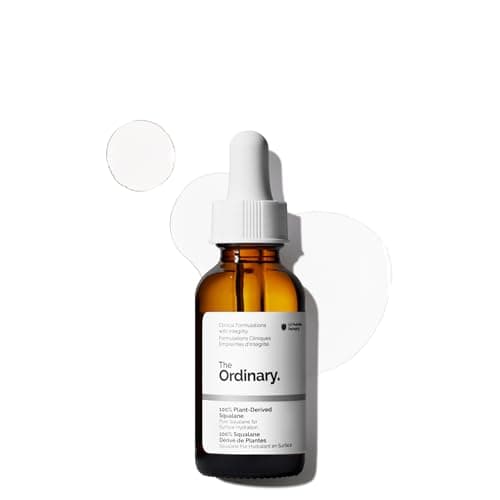
The Ordinary 100% Plant-Derived Squalane
9.2A single-ingredient, plant-derived squalane in a full 30 ml bottle at a low price, stocked almost everywhere — the default pick for most people.
Read our review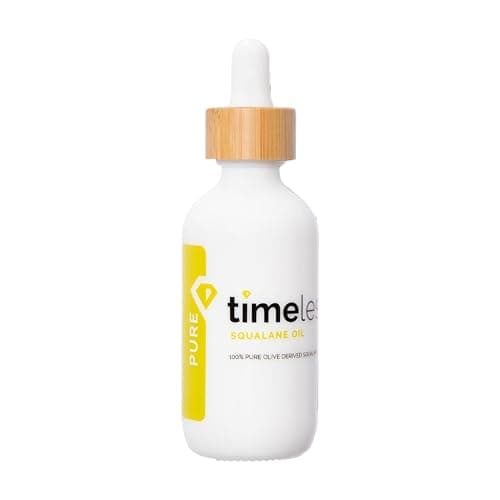
Timeless Skin Care 100% Pure Squalane
9.0A double-size, fragrance-free 100% squalane that usually lands at the lowest cost per ounce of any pick here.
Read our reviewFor the big-bottle problem
Cool, dark, tightly capped is the whole storage rule — and decanting is the cheapest way to follow it with a large bottle. Not a squalane product, and not scored: we don't test accessories.
Live Amazon prices, as of September 21, 2026. Prices are set by Amazon and change.
Storage & decanting
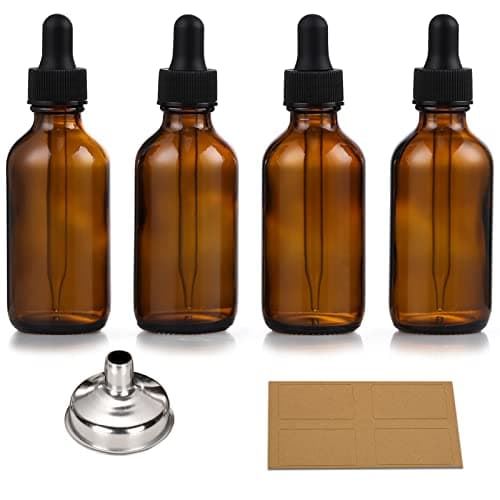
Amber Glass Dropper Bottles, 4 × 1 oz (funnel and labels included)
Squalane keeps best cool, dark, and tightly capped. Decanting a big 2 oz bottle into a small amber one keeps the rest of your oil sealed and out of the light, and a filled 1 oz bottle sits under the TSA carry-on limit for travel.
Sources
Frequently asked questions
Does squalane oil go bad?
Eventually, yes, but slowly. Squalane is the saturated, hydrogenated form of squalene, so it resists oxidation far better than most oils. Stored cool, dark, and tightly capped, a bottle stays good for a long time.
How long does squalane last once opened?
There's no official figure, but many brands suggest roughly a year after opening as general guidance. Check the bottle for a best-before date or an open-jar symbol like 12M, and go by how the oil smells and looks.
How do you know if squalane has expired?
Trust your senses. Fresh squalane is nearly odorless and clear, so an off or rancid smell, cloudiness, a color change, or an odd texture all mean it's past its best and should be replaced.
Does squalane need to be refrigerated?
No. Squalane is stable at room temperature, so refrigeration isn't necessary. A cool, dark cupboard away from heat and direct sunlight is all it needs.
Keep reading
Need a fresh bottle?
See our ranked squalane oil picks, each with a live price, cost per ounce, and who it suits.
See the best squalane oils