Squalane vs Hemisqualane
Same family, half the chain. Hemisqualane is squalane's lighter, faster-evaporating relative — and the two are not interchangeable.
We may earn a commission if you buy through our links, at no extra cost to you. Prices are pulled live from Amazon and can change. How this works.
If you've come across hemisqualane on an ingredient list — usually under its INCI name, C13-15 alkane — and assumed it was just squalane by another name, you're in good company. The naming invites the mistake. But hemisqualane is a genuinely different material with a different job, and knowing which one a product contains changes what you should expect from it.
The short version: squalane is C30, a thirty-carbon saturated hydrocarbon that stays on skin and moisturizes. Hemisqualane is roughly half that chain length, which makes it dramatically lighter, thinner, and volatile — it largely evaporates rather than staying put. That makes it an excellent carrier and hair-slip agent, and a poor substitute for a moisturizing oil.
Squalane vs hemisqualane at a glance
Why the chain length matters so much
Squalane's usefulness comes from the fact that it's big, saturated, and stable. Thirty carbons of hydrogenated hydrocarbon means it won't oxidize easily, won't evaporate, and sits comfortably in the skin's own lipid layer — which is exactly what you want in a moisturizing oil. That's the same reasoning laid out in what is squalane?.
Halve the chain and every one of those properties shifts. A shorter hydrocarbon is far less viscous, spreads much further per drop, and is volatile enough to flash off the surface. In formulation terms that's a feature, not a defect: hemisqualane is used precisely because it delivers slip and spread and then gets out of the way, leaving a dry, weightless finish rather than an oily one.
Where hemisqualane genuinely wins
- Hair. It's the biggest use case. Hemisqualane gives instant slip and shine and then evaporates, so it detangles and smooths without the weight that makes fine hair fall flat.
- Silicone replacement. It's often used where a formulator wants the dry, slippery feel of a volatile silicone from a plant-derived source instead.
- Carrier for actives. Its low viscosity makes it good at spreading a small amount of something expensive over a large area evenly.
- Very oily skin that hates oils. If any residue at all is a dealbreaker for you, a hemisqualane-based product will feel lighter than any true oil.
Where squalane is the right call
For everything to do with moisture retention, squalane is the one you want. It's the ingredient that softens the surface, holds hydration in, and behaves like a lipid your skin already recognizes. Hemisqualane can't do that job for a simple reason: something that evaporates can't seal. If your goal is comfort on dry skin, buffering a retinoid, or a final step to lock in a hydrating serum, you want a non-volatile emollient.
Squalane also has the depth of use behind it. It's the ingredient with the dermatology write-ups, the 0–1 comedogenic reputation, and the decades of formulation history — see squalane benefits and is squalane safe?. Hemisqualane is a well-regarded modern texture ingredient, but it isn't positioned as a moisturizing active by anyone, including the brands that use it.
A practical tell: if a product feels wet on application and completely gone within seconds with no softness left behind, you're feeling a volatile like hemisqualane. If it feels light but leaves skin genuinely softer a minute later, that's squalane.
Do you need both?
Most people don't. If you own one bottle, make it a 100% squalane — it's the more versatile of the two by a wide margin, and it covers face, body, hair ends, cuticles, and lips. Hemisqualane is worth seeking out only if your specific problem is hair that heavier oils weigh down, or if you genuinely cannot tolerate any residue on your face.
You'll also find both in the same product from time to time, which is a sensible combination: the hemisqualane spreads the formula, the squalane stays behind to moisturize. If you're buying for hair specifically, our best squalane oil for hair page covers what to look for. Patch-test any new ingredient, and see a dermatologist for a persistent skin concern.
Our squalane picks
If you want the moisturizing member of the family, these are the single-ingredient bottles we'd start with — each with a live price and computed cost per ounce.
Our squalane picks
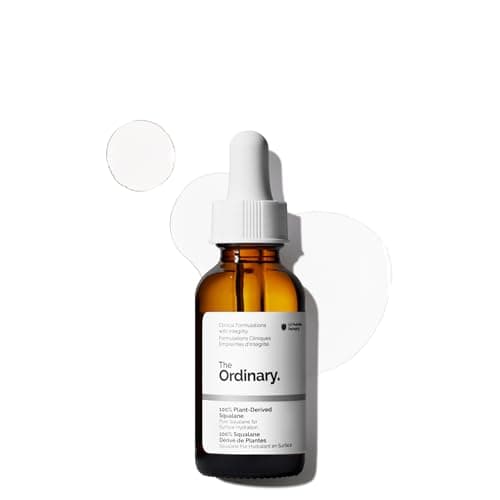
The Ordinary 100% Plant-Derived Squalane
9.2A single-ingredient, plant-derived squalane in a full 30 ml bottle at a low price, stocked almost everywhere — the default pick for most people.
Read our review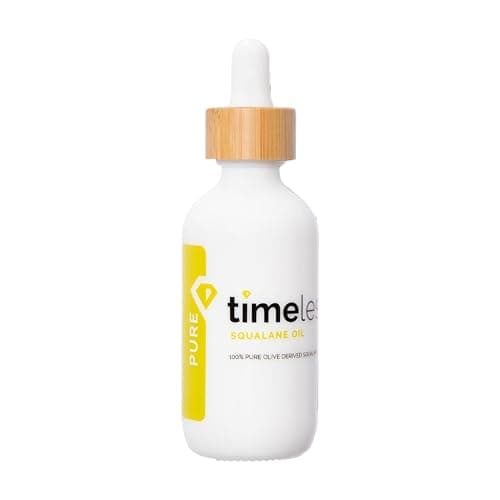
Timeless Skin Care 100% Pure Squalane
9.0A double-size, fragrance-free 100% squalane that usually lands at the lowest cost per ounce of any pick here.
Read our reviewSources
Frequently asked questions
What is the difference between squalane and hemisqualane?
Squalane is a C30 saturated hydrocarbon that stays on skin and moisturizes. Hemisqualane, listed as C13-15 alkane, is roughly half the chain length — much thinner, much lighter, and volatile enough that it largely evaporates. Squalane moisturizes; hemisqualane provides slip and spread.
Is hemisqualane better than squalane for hair?
For pure slip and weightlessness, often yes — hemisqualane detangles and adds shine then evaporates, which suits fine hair. For conditioning dry ends over time, squalane stays on the strand and does more. Many people use squalane on ends and prefer hemisqualane-based products as a leave-in.
Is hemisqualane the same as C13-15 alkane?
Yes. C13-15 alkane is the INCI name you will see on an ingredient list; hemisqualane is the common trade name. Both refer to the same short-chain, plant-derived, volatile hydrocarbon.
Can hemisqualane replace squalane as a moisturizer?
No. Because hemisqualane evaporates rather than staying on the surface, it cannot seal moisture in the way an emollient oil does. If you want the moisturizing effect, you want squalane.
Is hemisqualane plant-derived?
It usually is — most cosmetic hemisqualane is made from sugarcane, the same feedstock as much modern squalane. Check the individual brand's statement if plant sourcing matters to you.
Keep reading
Start with the moisturizing one
See our ranked squalane oil picks, each with a live price, cost per ounce, and who it suits.
See the best squalane oils