Squalane on Damp or Dry Skin?
Damp. Squalane seals; it does not hydrate. Give it water to seal in and the same two drops do noticeably more — the cheapest improvement available to any squalane routine.
We may earn a commission if you buy through our links, at no extra cost to you. Prices are pulled live from Amazon and can change. How this works.
Apply squalane to slightly damp skin. Not dripping wet, not towel-dry — the state your face is in a few seconds after you pat it with a towel, or a second after a light mist of plain water. That one change makes a bigger difference to how well squalane works than switching between any two of the bottles we recommend, and it costs nothing. If your skin has already dried off by the time you get to the oil step, the cheapest fix is a spray bottle of plain water.
The reasoning is the single most useful fact about this ingredient: squalane contains no water and adds none. It is an emollient — it softens the surface — and a light occlusive — it slows the water that evaporates out of your skin. It is not a humectant, so it does not draw water in from anywhere. An occlusive applied to bone-dry skin does exactly what you asked of it: it seals in the nothing that was there. Applied over damp skin, it traps the water on and just under the surface, which is where the actual hydration comes from.
The method
- Cleanse, then pat — do not rub dry. Leave your face visibly damp. Dermatology guidance on dry skin consistently puts moisturizer on within a few minutes of washing for exactly this reason.
- If you use water-based steps, do them now — a hydrating serum or a hyaluronic acid goes on damp skin too, and gives the squalane more to hold.
- Two or three drops of squalane into your palm, warmed for a second between your fingers.
- Press it on, don't rub it in. Press the palms over cheeks, forehead, chin, then the neck. Pressing spreads a thin film; rubbing mostly moves it around.
- Give it a minute or two before the next layer, or three before makeup or sunscreen.
If your bathroom air is dry and your face is bone-dry within thirty seconds of patting, mist with plain water and apply immediately. You do not need a toner, an essence or a facial spray with ingredients in it — water is the active here.
Why this matters more for squalane than for a cream
Most moisturizers are emulsions: water plus oil plus humectants, which means they bring their own water to the party. A bottle of 100% squalane brings none. That makes it an unusually efficient product — you are not paying to ship water — and it makes the damp-skin step genuinely load-bearing rather than a nice-to-have. The three-category map in is squalane a humectant? is the five-minute version of this if you want it: humectants supply and hold water, emollients soften, occlusives seal. Squalane is the last two, and sealing requires something to seal.
There is a practical bonus. Oil spreads further over a damp surface, so the same two or three drops cover more skin and absorb a little more slowly. That means you use less product for better coverage — which is why damp application is the first thing we recommend for any use that consumes oil quickly, including facial massage with a gua sha tool.
What to look for when you buy
For this method you want 100% squalane — a single ingredient, fragrance-free, nothing else. The reason is specific rather than dogmatic: you are pressing it over a damp surface, possibly over a serum, and a thin, clean, single-ingredient oil behaves predictably there in a way a loaded blend with botanicals and fragrance does not. A pure oil is also water-free, which means it needs no preservative system at all.
The second thing to look at is the dispenser, which matters more than people expect for a damp-skin routine: you are working with wet hands, so a dropper you have to squeeze and read is more awkward than a pump. And the third is size. All the pure oils are the same molecule, so cost per ounce is the only real difference between them — if squalane is going on your face, neck, chest and hands after every shower, the larger bottles save real money. A fragrance-free cream carrying squalane is a reasonable alternative when your skin needs lipids it is short of rather than just a seal.
What to buy for this routine
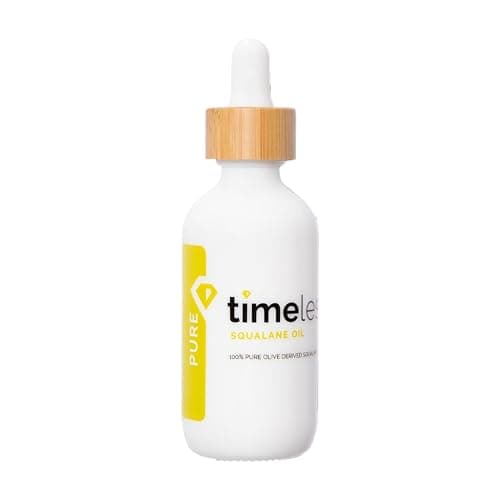
Timeless Skin Care 100% Pure Squalane
9.0A double-size, fragrance-free 100% squalane that usually lands at the lowest cost per ounce of any pick here.
Read our review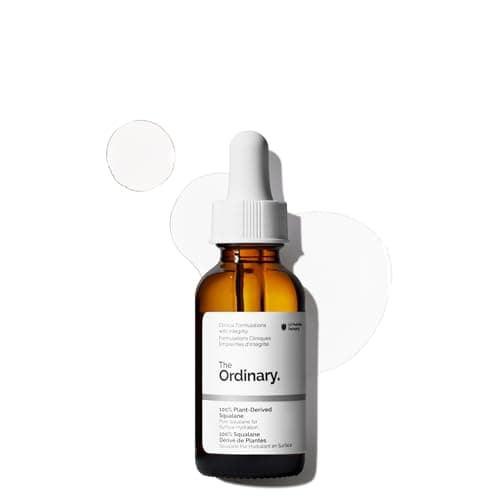
The Ordinary 100% Plant-Derived Squalane
9.2A single-ingredient, plant-derived squalane in a full 30 ml bottle at a low price, stocked almost everywhere — the default pick for most people.
Read our review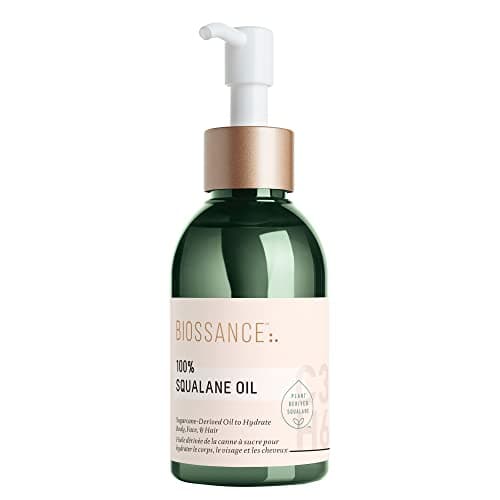
Biossance 100% Squalane Oil
8.8A sustainably sourced, sugarcane-derived squalane in a larger bottle — the polished pick if you want brand pedigree and a bigger size.
Read our reviewBody, hair and the shower rule
The same logic applies with more force below the neck, because body skin is drier and there is a lot more of it. Applying squalane — or a squalane body lotion — within a few minutes of getting out of the shower, while skin is still damp, is the standard dermatology advice for dry skin, and it is the difference between a lotion that works and one that sits on top. On hair, the equivalent is damp, towel-dried lengths rather than soaking wet or fully dry; squalane for hair covers the amounts, which are smaller than you think.
The mistakes
- Soaking wet skin. Oil does not mix with standing water; it slides around and you end up with uneven coverage. Damp, not wet.
- Waiting five minutes after cleansing. The window closes fast, especially in winter or air conditioning.
- Using more oil to compensate for dry skin. Doubling the drops on a bone-dry face seals in twice as much nothing. Add water, not oil — see how much squalane to use.
- Mixing squalane into sunscreen to save a step. Never — squalane before or after sunscreen explains what that does to your SPF.
- Rubbing rather than pressing, which mostly spreads oil onto your hands.
For the full routine order with everything slotted in, see squalane in your skincare routine and how to layer squalane. For the pairing that makes the damp step work hardest, squalane and hyaluronic acid.
Sources
- American Academy of Dermatology — Dermatologists' Top Tips for Relieving Dry Skin
- Cleveland Clinic — Squalane: Benefits and How To Use It
- Healthline — Squalane: Benefits, Uses, and Side Effects
- Healthline — Humectant: Definition, Common Examples, and Products
- Cleveland Clinic — Choosing the Best Moisturizer for Dry Skin
Frequently asked questions
Should you apply squalane to wet or dry skin?
Slightly damp — the state your skin is in a few seconds after patting it with a towel. Squalane contains no water and adds none; it slows the water evaporating out of your skin. Applied to bone-dry skin it seals in whatever is there, which is very little. Applied over damp skin it traps real water at the surface.
Can I put squalane on soaking wet skin?
Not ideal. Oil and standing water do not mix, so on a dripping face the oil slides around and you get patchy coverage. Pat off the excess first and apply while the skin still looks and feels damp.
How long after washing should I apply squalane?
Within a couple of minutes, and sooner in dry air. Dermatology guidance for dry skin is to moisturize within a few minutes of washing, while the surface is still damp. If your face dries faster than that, mist it with plain water and apply straight away.
Do I need a toner or essence before squalane, or is water enough?
Plain water is enough to make the damp-skin trick work — the water is what squalane is sealing in. A hydrating serum or hyaluronic acid adds a humectant that holds that water for longer, which is a genuine upgrade, but a toner bought purely to dampen your face is not necessary.
Does applying squalane to damp skin make it work better?
It makes it do the job it is actually capable of. Squalane's mechanism is slowing water loss, which requires water to be present. Damp application also lets the oil spread further, so the same two or three drops cover more skin and absorb slightly more slowly.
Should I apply body lotion with squalane to damp skin too?
Yes, and the effect is more noticeable than on the face because body skin is drier and there is more of it. Applying within a few minutes of a shower while skin is still damp is standard advice for dry skin, and it is what separates a lotion that helps from one that sits on the surface.
Keep reading
Pick a bottle you can use with wet hands
Our ranked squalane oil picks, each with a live price and cost per ounce — including the big-bottle options worth it if squalane goes on after every shower.
See the best squalane oils