Squalane and Hyaluronic Acid: Can You Use Them Together?
This is the pairing squalane is best at. A humectant to draw water in, an emollient to seal it — in that order, or the humectant works against you.
We may earn a commission if you buy through our links, at no extra cost to you. Prices are pulled live from Amazon and can change. How this works.
Yes, and this is the single best pairing squalane has. Apply hyaluronic acid to damp skin first, then press squalane on top within a minute or two. The two ingredients are complementary halves of one job: hyaluronic acid is a humectant that attracts and holds water, squalane is an emollient and light occlusive that stops that water evaporating. Either alone is half a routine. Together, on a tight dry-skin budget, they are about ten dollars of product that outperforms a lot of forty-dollar creams.
The order is not a stylistic preference. Used the wrong way round — squalane first, hyaluronic acid on top — you have put a film between the humectant and your skin, and left a water-grabbing ingredient sitting on the outside of it with nothing above it to hold onto. In dry air, that is the configuration people are describing when they say hyaluronic acid made their skin drier.
What each one actually is
That table is the whole argument. Hyaluronic acid is a large sugar molecule that holds many times its weight in water, and it draws that water from whatever is available: the product it came in, the damp surface of your skin, the humidity in the air, and — when none of those are on offer — the deeper layers of your own skin. Squalane adds no water at all, but it reduces how much escapes. Put the humectant down first and cap it, and the two mechanisms compound. We cover the category map in is squalane a humectant?, which is worth five minutes if layering has ever confused you.
The method, step by step
- Cleanse and do not fully dry off. Leave your face damp, or mist it. Hyaluronic acid applied to bone-dry skin has less water to work with.
- Apply the hyaluronic acid serum and spread it while skin is still damp — a few drops is plenty.
- Wait about a minute, not five. You want the serum settled, not evaporated.
- Press two or three drops of squalane on top. Press, do not rub: you are capping a layer, not massaging it in.
- In the morning, sunscreen last. Always on top, never mixed in.
In very dry air — winter, aircraft cabins, air conditioning — a humectant with nothing sealed over it can leave skin feeling tighter than before. The fix is not to stop using hyaluronic acid. It is to always put something on top of it.
What to look for when you buy
For the squalane half, the decision is easy and this site is about little else: you want 100% squalane, a single ingredient, fragrance-free, in the largest bottle you will reasonably get through. There is no formulation difference between the pure oils — they are the same molecule — so the real variables are bottle size, source transparency and cost per ounce. A 2 fl oz bottle is usually dramatically cheaper per ounce than a 30 ml one, which matters if you are also using it on your neck, chest and hands.
For the hyaluronic acid half, the thing to know is that "hyaluronic acid" on a label covers a range of molecular weights and concentrations, and more is not better: high-percentage HA serums can feel tacky and, in dry conditions, can feel drying for the reason described above. A simple, inexpensive serum used under squalane is enough. If you would rather buy one product than two, a cream that carries both — squalane plus sodium hyaluronate — is a legitimate shortcut, and the ones we cover put the humectants behind the emollients on the list.
- Single-ingredient squalane if you want control and the lowest cost per ounce.
- A fragrance-free barrier cream carrying both if you would rather have one step, and especially if your barrier is damaged rather than merely dry — look for ceramides and cholesterol on the list, not just the two headline words.
- Avoid buying HA in an oil. Hyaluronic acid needs water to work with; an anhydrous oil is the wrong vehicle for it, whatever the marketing says.
What to buy for this pairing
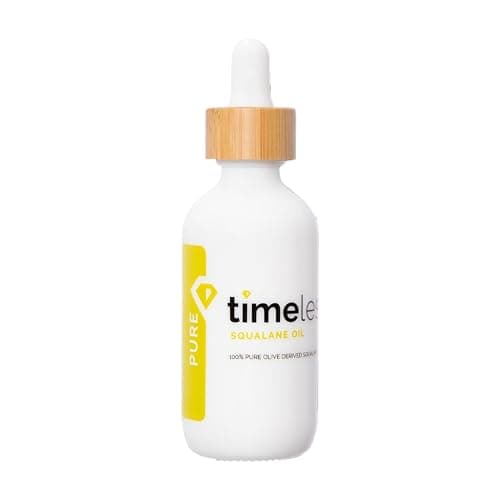
Timeless Skin Care 100% Pure Squalane
9.0A double-size, fragrance-free 100% squalane that usually lands at the lowest cost per ounce of any pick here.
Read our review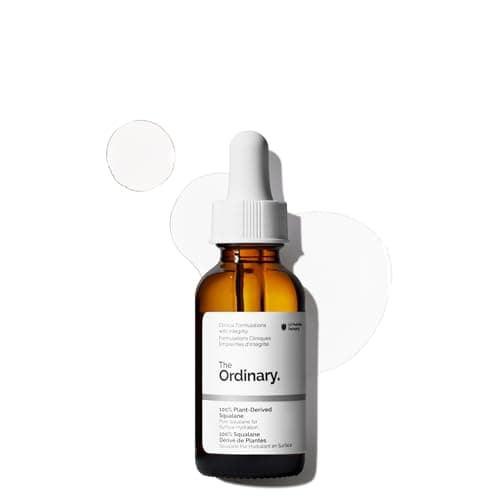
The Ordinary 100% Plant-Derived Squalane
9.2A single-ingredient, plant-derived squalane in a full 30 ml bottle at a low price, stocked almost everywhere — the default pick for most people.
Read our review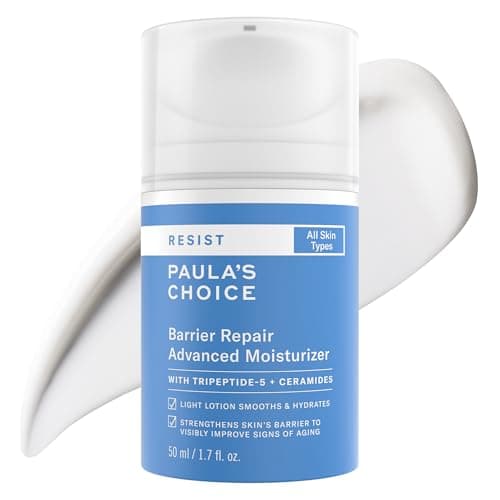
Paula's Choice RESIST Barrier Repair Advanced Moisturizer
8.1Squalane 6th of 35 inside a genuine five-ceramide-plus-cholesterol barrier formula, with no fragrance on the list.
Read our reviewWho this pairing is for
Dehydrated skin of any type, which is not the same thing as dry skin — oily skin can be dehydrated too, and this pairing suits it because squalane is light and rated 0–1 on the comedogenic scale. It is also the standard answer for skin that feels tight after cleansing, looks dull by mid-afternoon, or shows fine lines that deepen in winter and ease in summer. For dry skin specifically, see squalane for dry skin; for the oily-but-dehydrated case, squalane for oily skin.
If you want the two ingredients compared as alternatives rather than used as a pair, squalane vs hyaluronic acid is the page for that. And for the full routine order with everything else slotted in, see squalane in your skincare routine.
Sources
- Healthline — Hyaluronic Acid: Benefits, Uses, and Side Effects
- Healthline — Humectant: Definition, Common Examples, and Products
- Cleveland Clinic — Squalane: Benefits and How To Use It
- American Academy of Dermatology — Dermatologists' Top Tips for Relieving Dry Skin
- PMC — Squalene and skin barrier function (PMC6253993)
Frequently asked questions
Can you use squalane and hyaluronic acid together?
Yes, and it is the most useful pairing squalane has. Hyaluronic acid is a humectant that attracts and holds water; squalane is an emollient that slows water leaving. Apply the hyaluronic acid to damp skin first, wait about a minute, then press squalane on top to seal it in.
Which goes first, hyaluronic acid or squalane?
Hyaluronic acid first, squalane second. Water-based before oil-based, thin before thick. Squalane applied first forms a film that the water-based serum then has to get through, and leaves the humectant sitting on the outside with nothing above it to hold water against.
Can hyaluronic acid make skin drier?
In very dry conditions, yes — if you leave it uncovered. A humectant draws water from whatever is available, including the deeper layers of your own skin when the air is dry, and that water then evaporates. The fix is not to avoid it but to always seal it: an emollient like squalane on top is exactly what stops that happening.
Do I need both, or is one enough?
Both, if your skin is dehydrated. They solve different halves of the problem: hyaluronic acid supplies and holds water, squalane keeps it from leaving. Squalane alone on dry skin seals in whatever water is already there, which is better than nothing. Hyaluronic acid alone in dry air can be actively counterproductive.
Can I mix squalane and hyaluronic acid in my hand before applying?
It is better to layer them. Mixing an oil and a water-based serum in your palm gives you an unstable emulsion with no particular order, which partly defeats the point — the sequencing is what makes the pair work. Two steps take about fifteen extra seconds.
Is a cream with both squalane and hyaluronic acid as good as layering?
It is a reasonable shortcut and genuinely more convenient. A well-built cream puts emollients and humectants in one emulsion along with whatever else it carries. What you lose is control over the ratio and, usually, money: the squalane in a formulated cream costs several times what a plain bottle does. Look for ceramides and cholesterol on the list if your barrier is damaged, not just the two headline ingredients.
Keep reading
Get the sealing half right
Our ranked squalane oil picks, each with a live price and cost per ounce — the fragrance-free bottles that go over any hydrating serum.
See the best squalane oils