Squalane for Oily Skin
An oil for oily skin sounds backwards — but squalane is light, sits low on the comedogenic scale, and absorbs clean. Here's how to use it without the grease.
We may earn a commission if you buy through our links, at no extra cost to you. Prices are pulled live from Amazon and can change. How this works.
Putting an oil on oily skin sounds like exactly the wrong move — but squalane is the exception that earns its place. It's lightweight, commonly rated 0–1 on the comedogenic scale, and it mimics a lipid your skin already makes, so it absorbs cleanly without leaving a greasy film. Used the right way, it can help oily skin feel balanced instead of stripped, tight, or shiny by noon.
The quick answer is that squalane doesn't 'add oil' the way a rich cream might. It delivers lightweight hydration and supports the barrier, which can calm the over-cleansed feeling that often pushes oily skin to make even more sebum. Two or three drops is all it takes — and with oily skin, a little restraint goes a long way.
Why oily skin can still use an oil
A lot of what looks like oily skin is really stripped skin. Harsh foaming cleansers, astringent toners, and strong actives can wear down the barrier, and when skin feels tight and dehydrated it frequently responds by producing more oil, not less. It becomes a frustrating loop: the harder you work to degrease, the more your skin overcompensates, and the shinier you end up an hour later.
Squalane helps interrupt that loop. As an emollient it softens the surface and helps reduce trans-epidermal water loss — the water that quietly evaporates from skin all day — so your skin keeps more of the moisture it has. When oily skin is properly hydrated, it has less reason to overproduce. And because squalane is so light and sits at the friendly end of the comedogenic scale, it does all this without the heavy, pore-clogging feel of richer facial oils.
What sets squalane apart from heavier oils
Not every oil behaves the same way on oily skin. Coconut oil, for instance, is widely cited as high on the comedogenic scale and can block pores on the face. Squalane is a different kind of oil altogether:
- Lightweight and fast-absorbing — it sinks in quickly without a slick or shine.
- Commonly rated 0–1 comedogenic — very unlikely to clog pores.
- Fragrance-free in its pure form — one less common irritant on the list.
- Fungal-acne safe — the Malassezia yeast behind fungal acne can't feed on saturated hydrocarbons like squalane.
- Mimics your skin's own lipids, so even oily skin tends to accept it well.
That combination is why squalane is one of the very few facial oils comfortable on oily and combination skin. You get the softening, sealing benefit of an oil with almost none of the greasy weight most people picture when they hear the word 'oil.' It also layers under makeup and sunscreen without pilling or turning shiny.
Squalane won't 'cure' oiliness or shrink your pores — no oil can do that. What it does well is add lightweight moisture without clogging, which can help break the over-stripped cycle that leaves some skin oilier. Keep expectations realistic, and patch-test any new product on your inner arm first.
Oily, dehydrated, or both?
It helps to know whether your skin is genuinely oily, dehydrated, or both — because it changes what to expect. Oily skin produces a lot of sebum; dehydrated skin is short on water and can happen to any skin type, including oily. Confusingly, dehydrated skin often looks oilier, because it ramps up oil to make up for the missing water. Plenty of people with 'oily' skin are actually oily and dehydrated at the same time.
This is exactly where squalane fits. It doesn't switch off oil production, but by sealing in water it addresses the dehydration half of the problem — which is often what's driving the excess shine in the first place. Pair it with a water-based hydrator underneath and you cover both bases: the humectant supplies the water, the squalane keeps it from escaping.
How to use squalane on oily skin
The whole trick with oily skin is restraint — a couple of drops is plenty, and you can always add more.
- At night, after any water-based serums, press two or three drops into slightly damp skin.
- In the morning, use a thin layer before sunscreen — or skip the daytime oil if your skin feels greasy by midday.
- Prefer a lotion? Mix a single drop into a light, oil-free moisturizer instead of layering it on top.
- Always apply on damp skin — it traps a little extra water, so you get more hydration from less product.
Consistency matters more than quantity. A small amount every night does more for balanced-feeling skin than an occasional heavy layer. Water-based actives such as niacinamide or a hydrating serum go on first; squalane goes over the top to seal them in. If mornings feel greasy, keep the oil for evenings only — you'll still get the barrier benefit overnight. The full step order is in how to use squalane oil.
Will squalane make oily skin greasy?
For most people the answer is no — and that's the entire appeal. Squalane's saturated, ultra-light structure absorbs fast and leaves a soft, nearly matte finish rather than a slick. If your skin does feel greasy afterward, it's almost always a sign you're using too much: drop back to two drops, or reserve it for nighttime. Warming the drops between your fingertips and pressing them in, rather than rubbing, also helps it disappear faster.
It's also worth checking that you're using a 100% squalane rather than a blend. Added carrier oils, botanical extracts, or fragrance can change how a product feels on oily skin, and are a more likely cause of shine or congestion than the squalane itself.
Choosing a squalane for oily skin
Keep it simple: a 100% squalane oil with nothing else on the ingredient list. That strips out fragrance and richer carrier oils, leaving just the lightweight molecule you actually want. The value picks are ideal here — they're single-ingredient, widely available, and inexpensive enough to use freely on both face and body without rationing.
If breakouts are part of your picture too, the reasoning carries straight over — our squalane for acne-prone skin guide and is squalane comedogenic? explain why this molecule suits oil-prone and blemish-prone skin so well.
Lightweight picks for oily skin
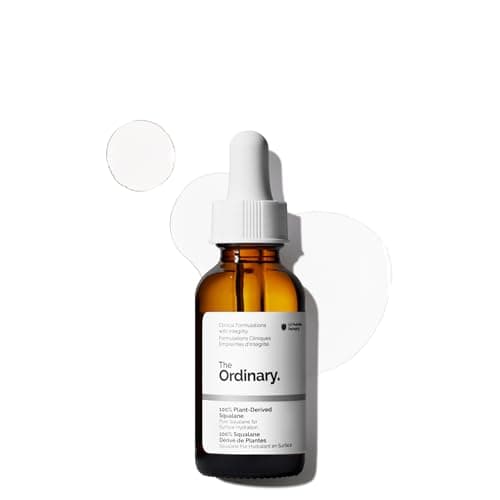
The Ordinary 100% Plant-Derived Squalane
9.2A single-ingredient, plant-derived squalane in a full 30 ml bottle at a low price, stocked almost everywhere — the default pick for most people.
Read our review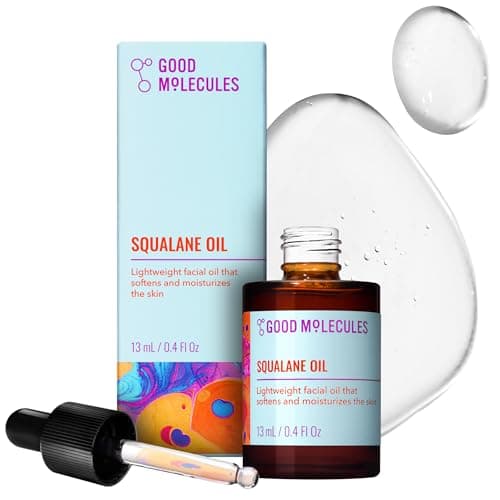
Good Molecules Squalane Oil
8.9The lowest sticker price of any 100% squalane here — but in a 13 ml bottle, so it's the cheapest way to try the ingredient, not the cheapest way to keep using it.
Read our reviewSources
Frequently asked questions
Is squalane good for oily skin?
Yes. Squalane is lightweight, commonly rated 0–1 on the comedogenic scale, and fragrance-free in its pure form, so it hydrates and helps seal in moisture without clogging pores or leaving a greasy film. That makes it one of the few facial oils well suited to oily skin.
Will squalane make my skin more oily?
It shouldn't. Squalane absorbs quickly and leaves a nearly matte finish rather than a shine. By adding lightweight hydration it can actually reduce the tight, over-stripped feeling that leads some skin to overproduce oil. If it feels greasy, you are likely using too much — try just two drops.
How many drops of squalane should oily skin use?
Two or three drops is enough for the whole face. Press it into slightly damp skin so it absorbs well. Start low and only add more if your skin still feels tight, since with oily skin less is usually more.
Can oily skin use squalane in the morning?
Yes, apply a thin layer before sunscreen. If your skin tends to look greasy by midday, keep squalane for your nighttime routine instead, when there is no SPF or makeup layered over it.
Keep reading
Find your squalane
See our ranked squalane oil picks, each with a live price, cost per ounce, and who it suits.
See the best squalane oils