Squalane for Combination Skin
Oily in the middle, dry at the edges — combination skin is hard to please. A light, balancing oil is one of the few that suits both.

We may earn a commission if you buy through our links, at no extra cost to you. Prices are pulled live from Amazon and can change. How this works.
Combination skin is the classic balancing act: an oily, shine-prone T-zone (forehead, nose, chin) alongside normal-to-dry cheeks. Products that fix one area often make the other worse — a rich cream that comforts the cheeks can congest the T-zone, while a mattifying gel that suits the T-zone leaves the cheeks tight. Squalane is one of the few oils that sidesteps this, because it's light enough for oily zones and hydrating enough for dry ones.
The short version: squalane is commonly rated 0–1 on the comedogenic scale, absorbs fast without a greasy film, and mimics a lipid your skin already makes — so it hydrates the dry parts without overwhelming the oily parts. Used thoughtfully, it's a genuinely low-risk single product for combination skin.
Why combination skin is tricky
The T-zone has more active oil glands, so it tends to look shiny and can clog, while the cheeks often have fewer, leaving them drier and more prone to tightness or flaking. The temptation is to treat the whole face as oily and strip it, but that usually backfires — over-cleansing the cheeks damages the barrier and can even push the T-zone to produce more oil. The smarter goal is gentle, balanced hydration that doesn't tip either zone.
How squalane helps both zones
- Light enough for the T-zone. Squalane is featherweight and rated 0–1 on the comedogenic scale, so it hydrates oily areas without clogging them.
- Hydrating enough for the cheeks. As an emollient, it softens and helps seal moisture into the drier zones.
- Balancing, not stripping. Because it mimics your skin's own squalene, it supports rather than disrupts, which can help the whole face feel more even.
- Fragrance-free and simple. One low-risk ingredient means fewer things to irritate reactive patches.
The trick with combination skin is amount and placement: use squalane generously where it's dry and sparingly where it's oily. You don't need a different product for each zone — just a different number of drops.
How to use squalane on combination skin
- Cleanse gently with a non-stripping cleanser so you don't dehydrate the cheeks or provoke the T-zone.
- Hydrate first. On slightly damp skin, a water-based hydrating serum (like hyaluronic acid) gives squalane something to seal.
- Press in a few drops of squalane, concentrating on the drier cheeks and using less on the T-zone.
- Moisturize only where needed. Drier areas may want a light moisturizer on top; the T-zone often doesn't.
Light, balancing picks for combination skin
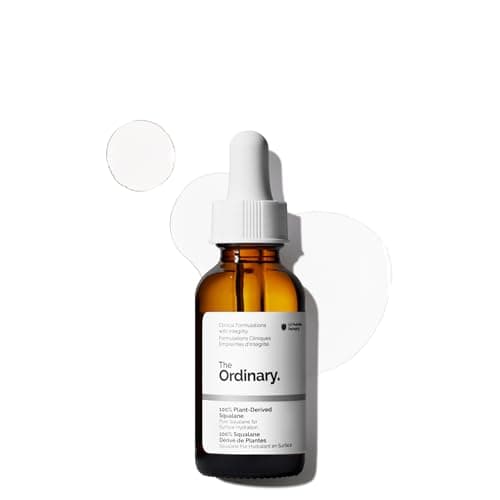
The Ordinary 100% Plant-Derived Squalane
9.2A single-ingredient, plant-derived squalane in a full 30 ml bottle at a low price, stocked almost everywhere — the default pick for most people.
Read our review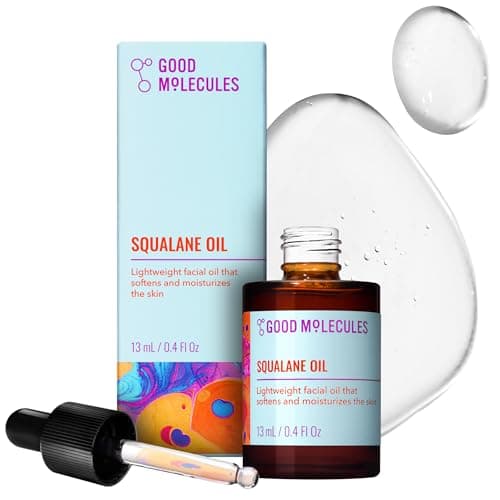
Good Molecules Squalane Oil
8.9The lowest sticker price of any 100% squalane here — but in a 13 ml bottle, so it's the cheapest way to try the ingredient, not the cheapest way to keep using it.
Read our reviewWhat to look for (and pair it with)
For combination skin, a 100% squalane oil is ideal — no fragrance, nothing heavy, easy to dose zone by zone. Pair it with a humectant like hyaluronic acid underneath for the dry areas, as explained in squalane vs hyaluronic acid. If your T-zone leans oily, the reasoning on squalane for oily skin applies; if your cheeks run dry, squalane for dry skin covers the sealing step. Patch-test anything new, and see a dermatologist for persistent congestion or dryness.
Sources
Frequently asked questions
Is squalane good for combination skin?
Yes. Squalane is light enough for the oily T-zone (commonly rated 0 to 1 on the comedogenic scale) yet hydrating enough for dry cheeks, so it suits both zones of combination skin. Use more where skin is dry and less where it's oily.
How do you use squalane on combination skin?
Cleanse gently, apply a hydrating serum on damp skin, then press in a few drops of squalane, concentrating on the drier cheeks and using less on the T-zone. Add a light moisturizer only where skin still feels dry.
Will squalane make my T-zone oilier?
It shouldn't. Squalane is a lightweight, non-comedogenic oil that mimics your skin's own lipids, so it hydrates without a greasy build-up. Using less on the T-zone and more on the cheeks keeps things balanced.
Do I need different products for each part of my face?
Not necessarily. Many people with combination skin use one squalane oil and simply vary the amount by zone — generous on dry areas, sparing on the T-zone. You can add a targeted moisturizer on the driest spots if needed.
Keep reading
Find your balancing pick
See our ranked squalane oil picks, each with a live price and who it suits — light enough for oily zones, hydrating enough for dry ones.
See the best squalane oils