Best Squalane Oil for Dry Skin
Dry skin doesn't need the most expensive oil — it needs enough oil, layered in the right order. Here's what to buy and how to use it.
We may earn a commission if you buy through our links, at no extra cost to you. Prices are pulled live from Amazon and can change. How this works.
Dry skin is short on lipids. That's the whole mechanism: without enough oil in the surface layer, water escapes faster than skin can replace it, and you get the tightness, flaking, and rough patches that no amount of drinking water fixes. Squalane addresses exactly that gap — it's an emollient that softens the surface and helps slow moisture loss, and it's close kin to squalene, a lipid your skin already produces.
Which bottle you buy matters less than most product pages suggest, because 100% squalane is the same molecule everywhere. What actually differs is how much you get for the money and whether you want the ingredient neat or built into a full moisturizer. Dry skin gets through more product, so both of those questions have real consequences.
What makes a squalane good for dry skin
- Enough of it. Dry skin uses more oil per application and often morning and night — a bigger bottle at a lower cost per ounce is the practical choice.
- Fragrance-free. Dry skin is frequently compromised skin, and fragrance is the most common avoidable irritant.
- Something to seal. Squalane works best over a humectant. A formula that pairs squalane with glycerin or hyaluronic acid does that job in one step.
- A format that fits your dryness. Mildly dry skin does well with a neat oil; very dry or flaky skin often wants a squalane-containing cream on top of it.
- Low comedogenic risk. Squalane is commonly rated 0–1, so sealing your skin doesn't mean risking congestion.
Our picks for dry skin
Below are the three we'd reach for, in the order that matches how dry you actually are: a big-bottle neat oil for everyday sealing, a squalane-containing moisturizer for skin that needs a cream on top, and a premium pure oil if you want transparent sourcing. Live prices and cost per ounce are shown on each, so you can judge value rather than take a claim on faith.
Best squalane picks for dry skin
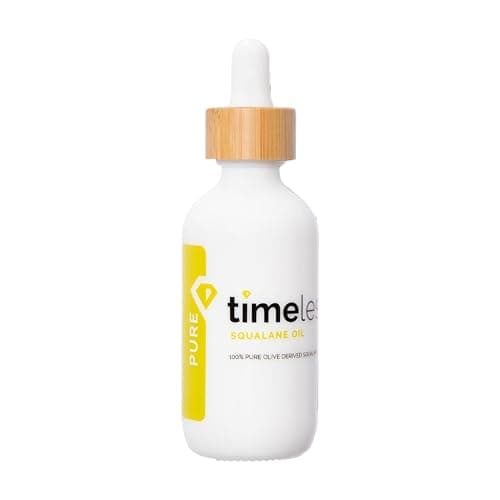
Timeless Skin Care 100% Pure Squalane
9.0A double-size, fragrance-free 100% squalane that usually lands at the lowest cost per ounce of any pick here.
Read our review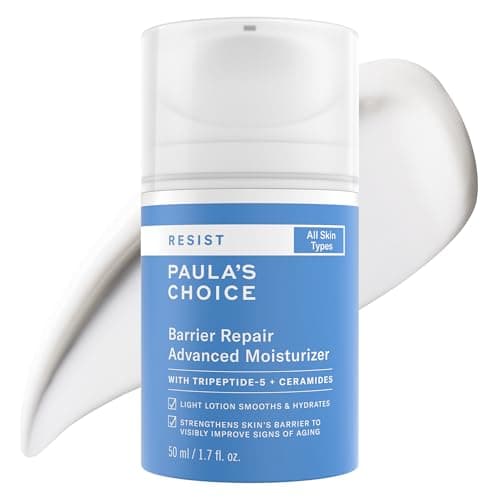
Paula's Choice RESIST Barrier Repair Advanced Moisturizer
8.1Squalane 6th of 35 inside a genuine five-ceramide-plus-cholesterol barrier formula, with no fragrance on the list.
Read our review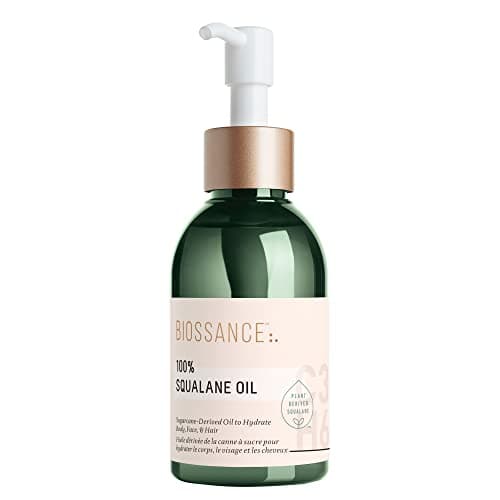
Biossance 100% Squalane Oil
8.8A sustainably sourced, sugarcane-derived squalane in a larger bottle — the polished pick if you want brand pedigree and a bigger size.
Read our reviewTimeless is the value workhorse — a double-size, fragrance-free 100% squalane that usually posts the lowest cost per ounce of any squalane oil we track, which matters when you're using it twice a day on face and body. The Paula's Choice moisturizer is the pick when a neat oil isn't enough and you want squalane inside a full cream alongside other barrier lipids. Biossance is the polished pure oil. See the full ranked list on best squalane oil, and the cream-format options on best squalane moisturizer.
The layering order that makes squalane work
This is the part people get wrong, and it's the difference between squalane transforming dry skin and doing very little. Squalane is an emollient, not a humectant — it softens and seals, but it doesn't attract water. Applied to bone-dry skin it simply softens a dry surface. Applied over a layer of water, it holds that water in.
- Cleanse with something non-stripping. A foaming cleanser that leaves skin squeaking has already undone half your work.
- Leave skin slightly damp. Don't towel dry completely — that residual water is what squalane is going to trap.
- Apply a humectant. Hyaluronic acid or a glycerin-based hydrating serum, onto the damp skin. See squalane vs hyaluronic acid.
- Press in three to five drops of squalane. Press, don't rub — you're setting a seal, not massaging it in.
- Add a cream on top if you're very dry. In winter, squalane under a richer moisturizer beats either one alone.
If your dryness is seasonal, scale the routine rather than switching products: same squalane, more drops, plus a cream on top in the cold months. There's no need to buy a different oil for winter.
Oil or moisturizer — which do you need?
A neat squalane oil gives you the ingredient at full strength and lets you decide the dose, which suits skin that's mildly to moderately dry, or skin that's only dry in patches. It layers under or over anything and costs very little per use.
A squalane-containing moisturizer does more of the work for you: humectants, emollients, and occlusives in one step, which is usually more comfortable for very dry, tight, or flaky skin. The two aren't rivals — plenty of dry skin uses both, oil first, cream second. Our squalane oil vs moisturizer guide walks through the choice, and squalane for dry skin covers the underlying mechanism in more depth.
One honest caveat: squalane is a comfort-and-hydration step, not a treatment. Persistent, cracking, or itchy dryness — especially if it's spreading or painful — deserves a doctor or dermatologist rather than another bottle. Patch-test anything new on a small area first.
Sources
Frequently asked questions
Is squalane good for dry skin?
Yes. Squalane is an emollient that softens the surface and helps slow water loss, which is the core problem in dry skin. It works best applied to slightly damp skin over a humectant like hyaluronic acid, so there is moisture for it to seal in.
Which squalane is best for very dry skin?
For very dry skin, a large-format 100% squalane oil used under a squalane-containing moisturizer usually beats either alone. The oil seals; the cream adds humectants and richer occlusives. Buying on cost per ounce matters because dry skin uses more product.
Should I use squalane before or after moisturizer for dry skin?
Usually before. Squalane is thinner than most creams, so it goes on first and the moisturizer seals over it. If you use a very rich balm, some people prefer squalane on top as a final layer. Either order works better than skipping the humectant underneath.
How many drops of squalane should dry skin use?
Three to five drops for the face is typical for dry skin, pressed into slightly damp skin. Use more in winter or on flaky patches. Squalane spreads well, so build up gradually rather than starting with a palmful.
Can squalane alone fix dry skin?
It helps a lot, but it works best as part of a sequence: gentle cleanser, humectant on damp skin, squalane to seal, cream on top if needed. Squalane is a comfort and hydration step, not a treatment for a skin condition — see a doctor if dryness is severe or persistent.
Keep reading
Compare every squalane oil
See our ranked picks with live prices and cost per ounce — including the big-bottle options that suit dry skin best.
See the best squalane oils