Squalane vs Dimethicone
One is a silicone film, one is a plant-derived lipid. Both smooth skin — but they do it in genuinely different ways.
We may earn a commission if you buy through our links, at no extra cost to you. Prices are pulled live from Amazon and can change. How this works.
Read enough moisturizer labels and you'll notice two ingredients doing a similar-sounding job: dimethicone, a silicone that shows up near the top of half the creams in the drugstore, and squalane, the lightweight lipid this site is built around. Both make skin feel smoother. Both reduce the water that escapes through the surface. They get there by different routes, and that difference decides which one you want.
The one-line answer: dimethicone is a silicone that sits on the surface and forms a smooth, breathable film; squalane is an emollient that sinks into the surface layer and softens it from within. Dimethicone is the better slip agent and primer; squalane is the better skin-identical moisturizer. Neither is a villain, and plenty of good formulas contain both.
Squalane vs dimethicone at a glance
What dimethicone actually does
Dimethicone is a silicone, and it's one of the best-characterized ingredients in cosmetic chemistry. Medical News Today describes it as forming a protective barrier on the skin that decreases moisture loss and offers some protection from irritants and allergens — and notes that silicones like dimethicone are unlikely to penetrate the skin barrier, staying on the surface instead. The FDA lists it as an approved active ingredient, which is a stronger regulatory position than most cosmetic emollients enjoy.
That surface behavior is exactly why it's everywhere. A dimethicone film fills in the microscopic texture of skin, so foundation glides rather than catches — hence its dominance in primers. It's also why it feels the way it does: that slightly slippery, powdery-smooth finish is the film, not absorption. And because it doesn't penetrate, it's very unlikely to irritate. The persistent internet claim that silicones "suffocate" skin isn't supported by how the molecule behaves; it's a permeable film, not cling wrap.
Where squalane pulls ahead
Squalane's advantage is that it doesn't just sit there. It's a close relative of squalene, a lipid your own sebum contains, so it integrates into the skin's own lipid layer instead of forming a separate film. That's what people mean when they say squalane feels like it disappears — it isn't evaporating, it's absorbing. The result is genuinely softer skin rather than a smoother surface over unchanged skin.
It also wins on simplicity. A 100% squalane oil has one ingredient on the label. Dimethicone almost always arrives inside a formula containing a dozen other things, which is fine, but gives you less control. And because squalane is a single stable molecule that's commonly rated 0–1 on the comedogenic scale, it's an easy recommendation for oily and acne-prone skin — see is squalane comedogenic? for what that rating means.
The silicone-free debate, honestly: dimethicone is well tolerated, non-comedogenic, and safe by every mainstream dermatology account. If you avoid silicones, do it because you prefer how skin-identical lipids feel — not because you've been told silicones are dangerous. They aren't.
Which should you choose?
- Choose squalane if you want a skin-identical moisturizing step, prefer a single-ingredient product, or want an oil that suits acne-prone skin without the film-forming feel.
- Choose dimethicone if you want maximum slip and blur under makeup, or you like the velvety finish silicone-based moisturizers give.
- Use both if the formula already has them — many good moisturizers pair a silicone for feel with lipids for barrier support, and there's no conflict.
- Layer them by putting squalane on skin first and letting it absorb, then a silicone-containing primer or moisturizer over the top.
How to layer them
Order matters, and the rule is intuitive once you know how each behaves. Squalane needs skin contact to absorb, so it goes first. A dimethicone-containing product forms a film, so anything applied after it has to get through that film — which is exactly why silicone primers go on last before makeup. Squalane then moisturizer or primer, in that order, is the sequence that lets both do their job.
If you're building a routine from scratch, our squalane in your skincare routine guide covers the full order, and squalane under makeup covers the specific primer question. As with any new product, patch-test first, and see a dermatologist for a persistent skin concern.
Our squalane picks
If the skin-identical route is the one you want, these are the single-ingredient oils we'd start with — each shown with a live price and computed cost per ounce.
Our squalane picks
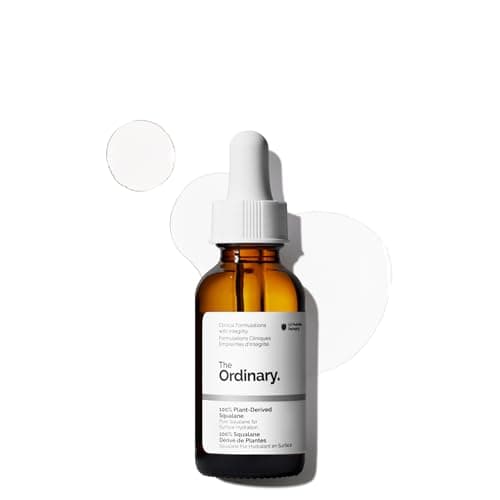
The Ordinary 100% Plant-Derived Squalane
9.2A single-ingredient, plant-derived squalane in a full 30 ml bottle at a low price, stocked almost everywhere — the default pick for most people.
Read our review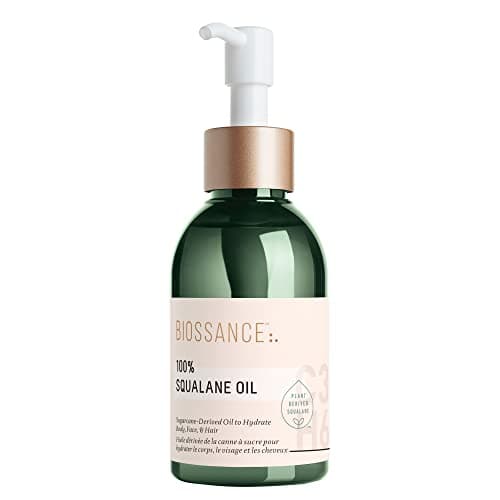
Biossance 100% Squalane Oil
8.8A sustainably sourced, sugarcane-derived squalane in a larger bottle — the polished pick if you want brand pedigree and a bigger size.
Read our reviewSources
Frequently asked questions
Is squalane better than dimethicone?
They do different jobs. Squalane absorbs into the skin's own lipid layer and softens it; dimethicone forms a smooth film on top that reduces water loss and gives excellent slip. Squalane is the better skin-identical moisturizer; dimethicone is the better primer and texture agent.
Is dimethicone bad for your skin?
No. Dimethicone is widely considered non-comedogenic and unlikely to penetrate the skin barrier, and the FDA approves it as an active skin-protectant ingredient. The claim that silicones suffocate skin is not supported by how the molecule behaves.
Can you use squalane and dimethicone together?
Yes, and many moisturizers already contain both. Apply squalane first and let it absorb, then a dimethicone-containing moisturizer or primer on top, since a silicone film is harder for later products to get through.
Which is better under makeup, squalane or dimethicone?
Dimethicone, if slip and blur are the goal — that is why most primers use it. Squalane still works well under makeup provided you let it fully absorb first and use only a couple of drops.
Is squalane a silicone?
No. Squalane is a saturated hydrocarbon derived from plants such as sugarcane or olives, closely related to squalene that your own skin produces. Dimethicone is a synthetic silicone polymer — a completely different class of ingredient.
Keep reading
Ready to pick a squalane oil?
See our ranked squalane oil picks, each with a live price, cost per ounce, and who it suits.
See the best squalane oils