Squalane vs Glycerin
One pulls water into the skin, the other keeps it there. Here's the difference between a humectant and an emollient — and the order to layer them.
We may earn a commission if you buy through our links, at no extra cost to you. Prices are pulled live from Amazon and can change. How this works.
This is the same story as squalane versus hyaluronic acid, just with a different star: glycerin is a humectant that draws water into the top layer of skin and holds it there, while squalane is an emollient oil that softens the surface and helps seal that water in. They solve two different halves of the same problem, so the honest answer isn't glycerin or squalane — it's both, in the right order.
The quick answer: apply the humectant first, ideally on slightly damp skin, then squalane on top. Glycerin grabs the water; squalane keeps it from escaping.
Squalane vs glycerin at a glance
Humectant vs emollient: the key difference
A humectant is a water magnet. Glycerin is one of the most effective humectants there is — it pulls moisture into the outer layer of skin and helps hold it there, which is why it shows up in so many hydrators and moisturizers. What a humectant can't really do is stop that water from evaporating away again. That's a job for an emollient.
Squalane is that emollient. It's a hydrogenated, shelf-stable form of squalene (a lipid your skin already makes), commonly rated 0–1 on the comedogenic scale, and it softens the surface while helping reduce the water your skin loses to the air. It doesn't attract water the way glycerin does; it keeps the water you've already drawn in from leaving. See what is squalane? for the fuller picture.
So the two ingredients aren't doing the same job at all — they're two ends of the same process. Glycerin is the water source; squalane is the water lock. Trying to decide which is better is a bit like asking whether a bucket or a lid is more important. For hydration that actually lasts, you generally want both, and neither fully replaces the other.
Why they work better together
Here's the catch with any humectant: in dry air, and with nothing sealing it, glycerin can end up pulling water from deeper in the skin and letting it evaporate off the surface. Applying an emollient like squalane over your glycerin — ideally on slightly damp skin — traps that moisture where you want it. Humectant first, oil second. It's the same logic behind pairing squalane with hyaluronic acid, which we cover in squalane vs hyaluronic acid.
The damp-skin detail is worth underlining. A humectant works best when there's water nearby to grab — straight after cleansing, or after a light mist — so applying glycerin to skin that's still a little wet gives it something to hold onto. Sealing promptly with squalane before that surface water evaporates is what turns a quick hit of hydration into something that lasts through the day. Miss the seal, and much of what the humectant gathered can simply drift off again.
Rule of thumb: glycerin on damp skin, then squalane on top. The humectant grabs water; the oil keeps it there. This pairing is especially helpful in dry weather, when unsealed humectants struggle most.
How to layer squalane and glycerin
You'll often find glycerin already in a toner, essence, or hydrating serum rather than as a standalone. Either way, it goes in the water-based part of your routine, before oils:
- Cleanse, and leave your skin slightly damp.
- Apply your glycerin-based hydrator (a toner, essence, or serum).
- Press a few drops of squalane over the top to seal that water in.
- Add a richer moisturizer on very dry days, and sunscreen in the morning.
The order is the whole trick — the humectant draws water in, the squalane keeps it there. For more on where oils sit, see how to use squalane oil, and for a concern-first take, squalane for dry skin.
One practical note: you rarely buy glycerin on its own, so the easiest way to use this pairing is to check the labels you already own. Glycerin sits near the top of a lot of toner, essence, serum, and moisturizer ingredient lists — if you spot it there, that product is already your humectant step, and all you're adding is the squalane seal on top. There's no need to hunt down a special glycerin product to make this work. If you do want a dedicated humectant layer, a simple hydrating toner or essence with glycerin high on the list does the job nicely.
Do you need both?
If your skin feels tight and dehydrated, a humectant like glycerin helps most — it's the water source. If your skin feels rough, flaky, or your barrier is stressed, squalane helps most — it's the seal. Most people benefit from both, in that order, and because glycerin is so common in hydrating products you may already be using it without realizing. Add squalane on top and you've closed the loop: draw water in, then keep it in.
This pairing is especially worth it for anyone whose skin runs dry in winter or in air-conditioned, low-humidity environments, where unsealed humectants struggle the most. It's also gentle enough for sensitive skin, since neither ingredient is an active and squalane adds no fragrance. If you'd rather not think about it, plenty of moisturizers already combine a humectant with emollients — but a simple glycerin-based hydrator plus a plain squalane gives you the same effect with full control over each step.
Squalane to seal your humectant
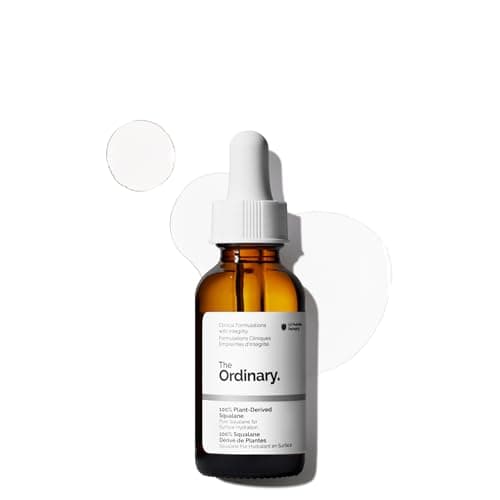
The Ordinary 100% Plant-Derived Squalane
9.2A single-ingredient, plant-derived squalane in a full 30 ml bottle at a low price, stocked almost everywhere — the default pick for most people.
Read our review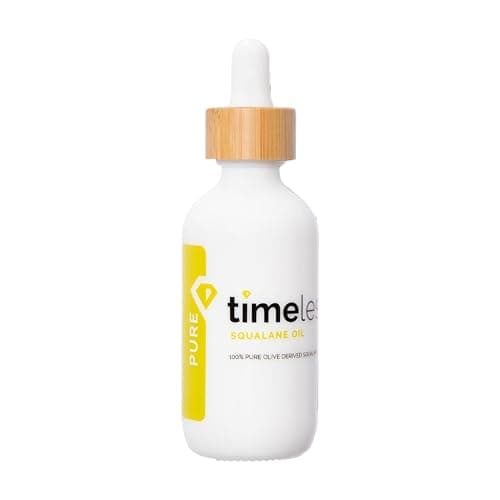
Timeless Skin Care 100% Pure Squalane
9.0A double-size, fragrance-free 100% squalane that usually lands at the lowest cost per ounce of any pick here.
Read our reviewWhat about cost?
Both are inexpensive as far as skincare goes. Glycerin is one of the most common and low-cost humectants around, which is why it turns up in so many toners, serums, and moisturizers. Squalane runs from very affordable budget bottles to pricier premium ones — we list the current price and cost per ounce on every squalane oil pick so you can compare like for like. Because a single-ingredient squalane seals just as well as an expensive one, the value picks are all you need to close the loop over a glycerin hydrator.
Sources
Frequently asked questions
Can you use squalane and glycerin together?
Yes, and you should. Apply the glycerin-based product first on slightly damp skin, then squalane over the top to seal the water in. They're complementary: one draws water into the skin, the other keeps it there.
Which comes first, glycerin or squalane?
Glycerin first, since it's water-based, then squalane second because it's an oil. Skincare goes thinnest to thickest, and the oil seals the humectant layer underneath.
Is squalane or glycerin better for dehydrated skin?
Glycerin is the better water source for dehydrated, tight-feeling skin because it's a humectant that draws moisture in. Squalane then seals that moisture so it doesn't evaporate. Used together they cover both needs.
Is glycerin a humectant or an emollient?
Glycerin is a humectant, often called one of the most effective, meaning it draws and holds water in the top layer of skin. Squalane is an emollient, which softens the surface and helps seal that water in.
Keep reading
Ready to pick a squalane?
See our ranked squalane oil picks — each with a live price, cost per ounce, and who it suits.
See the best squalane oils