Squalane vs Vitamin C
One brightens and protects; the other seals and softens. Here's what each does, the order to layer them, and when a two-in-one oil makes sense.
We may earn a commission if you buy through our links, at no extra cost to you. Prices are pulled live from Amazon and can change. How this works.
Squalane and vitamin C aren't rivals — they're a classic pairing. Vitamin C is an antioxidant active used to brighten, even out tone, and support collagen, most often in the morning under sunscreen. Squalane is an emollient oil that softens the surface and seals the rest of your routine in. One treats and protects; the other carries and comforts. You don't choose between them so much as decide the order.
The quick answer: apply a vitamin C serum first, in the water-based step, then squalane over the top to lock it in. Or, for convenience, use a squalane oil that already carries a stable vitamin C so you get both in one step.
Squalane vs vitamin C at a glance
What each one actually does
Vitamin C is an antioxidant with a clear cosmetic role: it helps brighten a dull complexion, evens out the look of uneven tone and dark spots, and supports collagen. Because it also offers antioxidant defense against day-to-day environmental stress, it's a favorite morning step, typically layered under sunscreen. It's usually a water-based serum, so it belongs early in a routine, before anything oily.
Squalane isn't an active — it's the emollient that finishes the job. It's a hydrogenated, shelf-stable form of squalene (a lipid your skin already makes), commonly rated 0–1 on the comedogenic scale, and it softens the surface while helping reduce the water your skin loses to the air. Over a vitamin C serum it acts as a lightweight seal; it can also serve as a gentle carrier when vitamin C is blended into an oil. More background is in what is squalane?.
Because their roles are so different, there's almost no overlap to worry about. Vitamin C can't soften or seal the skin, and squalane can't brighten or defend against environmental stress — each does what the other can't. That's the mark of a complementary pair rather than two products competing for the same spot on your shelf, which is why so many routines quietly use both without anyone thinking of them as rivals.
Why they work together
A brightening active is most useful when the skin around it is comfortable and well sealed. Vitamin C does the corrective, protective work in a thin water-based layer; squalane presses over the top to trap that layer and keep the skin soft and hydrated through the day. There's no rivalry — one is a treatment step, the other a finishing step, and together they cover both tone and comfort.
Squalane can also make vitamin C easier to live with. Some vitamin C serums feel slightly drying or can tingle, especially on sensitive skin, and a gentle emollient layer over the top takes the edge off that without dulling the benefit underneath. If a plain serum has ever left your skin feeling tight, adding squalane afterward is an easy fix that keeps the whole routine comfortable.
How to layer squalane and vitamin C
Water before oil, thinnest to thickest. In the morning:
- Cleanse.
- Apply your vitamin C serum to clean skin and let it absorb.
- Press a few drops of squalane over the top to seal it in.
- Follow with moisturizer if you use one.
- Finish with sunscreen — always the last step in the morning.
If you'd rather not run two products, a squalane oil that carries a stable vitamin C — such as the Biossance Squalane + Vitamin C option — folds both into a single step. It's a convenient way to get a brightening serum-oil and the seal at once. Where oils sit overall is covered in how to use squalane oil, and the best serum formats in best squalane serum.
Timing is the one thing worth getting right. Vitamin C is most commonly used in the morning, where its antioxidant support pairs naturally with daytime sunscreen, but it can be used at night too if that fits your routine better. Squalane works either way — it's simply the seal that goes on after the serum. What you don't want to do is apply the oil first and the water-based vitamin C on top, since the serum then struggles to reach the skin through the oil. Water first, oil second, every time.
Rule of thumb: vitamin C first (it's water-based), squalane second (it's the oil) — and don't skip sunscreen in the morning, since that's when vitamin C earns its keep. If you want fewer steps, reach for a squalane-plus-vitamin-C oil. Patch-test any new product, as vitamin C can tingle on sensitive skin.
Do you need both?
If brightness and even tone are your goals, vitamin C is the active doing that work. If your skin feels dry, rough, or needs sealing, squalane is what helps most. Most people benefit from both — the brightening step plus the comfort-and-seal step — whether that's two products layered in order or one oil that carries the vitamin C for you. Either way, they work together rather than competing.
Neither is a treatment for a medical skin condition, so if you're dealing with persistent dark spots, irritation, or an underlying issue, it's worth checking in with a dermatologist rather than expecting a serum to fix it. As with any new active, patch-test first — vitamin C in particular can tingle on reactive skin — and build it into your routine gradually.
A brightening oil and a plain squalane
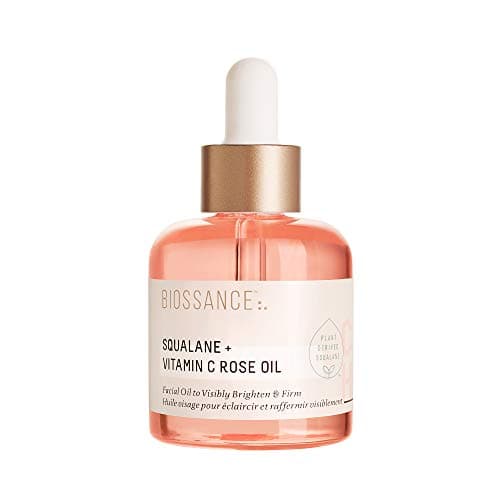
Biossance Squalane + Vitamin C Rose Oil
8.4A squalane oil carrying a stable vitamin C and rose — the pick when you want glow and brightening, not just plain hydration.
Read our review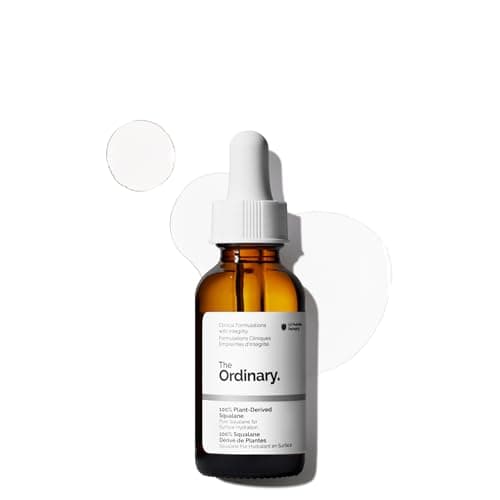
The Ordinary 100% Plant-Derived Squalane
9.2A single-ingredient, plant-derived squalane in a full 30 ml bottle at a low price, stocked almost everywhere — the default pick for most people.
Read our reviewWhat about cost?
Price mostly tracks brand, strength, and format rather than the basics of the ingredient. Vitamin C serums span a wide range, and squalane runs from very affordable budget bottles to pricier premium ones — we list the current price and cost per ounce on every squalane oil pick so you can compare like for like. A combined squalane-plus-vitamin-C oil can be a tidy way to get two steps in one purchase, while a plain squalane paired with a separate serum lets you spend where it matters most to you.
Sources
Frequently asked questions
Can you use squalane and vitamin C together?
Yes. Apply your vitamin C serum first, since it's water-based, then press squalane over the top to seal it in. You can also use a squalane oil that already contains a stable vitamin C to get both in one step.
Which goes first, vitamin C or squalane?
Vitamin C first. It's usually a water-based serum, so it goes on early, before oils. Squalane is an oil and goes on afterward to lock the serum in. In the morning, sunscreen still goes on last.
Is a squalane and vitamin C oil as good as separate products?
It's mainly a convenience choice. A combined squalane-plus-vitamin-C oil gives you brightening and a seal in one step, while separate products let you control the strength and order. Both are valid; pick based on how simple you want your routine.
Should I use squalane or vitamin C in the morning?
Both can go in the morning. Vitamin C pairs naturally with daytime sunscreen, and squalane seals it in. Just apply the vitamin C serum first and the squalane after, with SPF as the final step.
Keep reading
Ready to pick a squalane?
See our ranked squalane oil picks — each with a live price, cost per ounce, and who it suits.
See the best squalane oils