Squalane vs Vitamin E
An antioxidant and an emollient — they answer different questions, and they're often found in the same bottle.
We may earn a commission if you buy through our links, at no extra cost to you. Prices are pulled live from Amazon and can change. How this works.
Squalane and vitamin E turn up together so often that people assume they're interchangeable — they're not. Vitamin E is an antioxidant that helps defend skin from free-radical damage and moisturizes dry areas. Squalane is a lightweight emollient that softens the surface and seals moisture in, and it makes an excellent carrier for antioxidants like vitamin E. One protects; one seals. They're a classic pairing rather than a choice.
The quick answer: if you want antioxidant protection, reach for vitamin E (ideally alongside vitamin C). If you want a light oil to hydrate, seal, and carry other actives, reach for squalane. In practice many good formulas include both, and layering them is easy.
Squalane vs vitamin E at a glance
What vitamin E does
Vitamin E is a powerful, fat-soluble antioxidant. Applied topically it helps nourish skin and protect it from free-radical damage, and it can moisturize very dry, patchy areas like cuticles and elbows. It's often paired with vitamin C, which helps stabilize it and boosts overall antioxidant performance. It's worth knowing that vitamin E is not a sunscreen — it may add some support alongside SPF, but it doesn't replace it.
The honest caveat: people with oily, acne-prone skin usually don't need extra vitamin E, and pure vitamin E oil is quite rich and can feel heavy or, for some, contribute to congestion. At the modest levels used inside a well-built formula, it's generally well tolerated.
What squalane does — and why it's a great carrier
Squalane's job is different: it's a light, fragrance-free emollient that softens skin, helps limit water loss, and absorbs cleanly — the background is in what is squalane?. Crucially, it's also an excellent, stable base for other ingredients, which is why so many antioxidant oils use a squalane carrier to deliver vitamin C, vitamin E, and botanical extracts in a lightweight, non-greasy vehicle.
It's commonly rated 0–1 on the comedogenic scale, so it suits the oily and acne-prone skin that neat vitamin E oil might overwhelm. If you want antioxidants but not heaviness, a squalane-based serum is often the elegant answer — one of our picks pairs a squalane base with a stable vitamin C.
Buyer-first verdict: don't choose — combine. Use squalane as your lightweight seal and carrier, and get vitamin E's antioxidant protection from a formula (ideally with vitamin C). A squalane-based antioxidant oil gives you both at once.
How to use them together
In a routine, antioxidants go earlier and the sealing oil later. Apply a vitamin C/E antioxidant serum in the morning after cleansing, then press squalane over the top to seal and soften. If you use a squalane serum that already contains antioxidants, that single step covers both. For layering squalane with other actives, see squalane vs vitamin c and how to layer squalane. Patch-test new products and use sunscreen by day.
Squalane picks (one carries antioxidants)
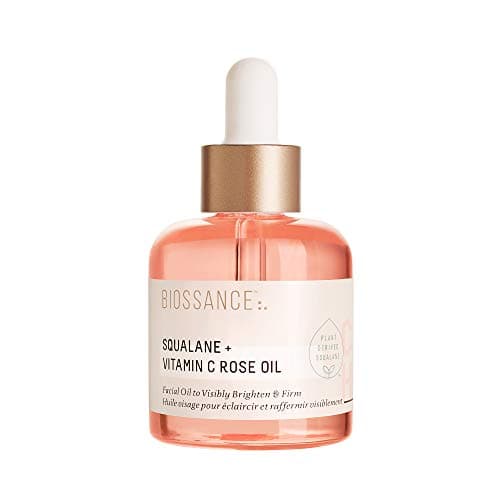
Biossance Squalane + Vitamin C Rose Oil
8.4A squalane oil carrying a stable vitamin C and rose — the pick when you want glow and brightening, not just plain hydration.
Read our review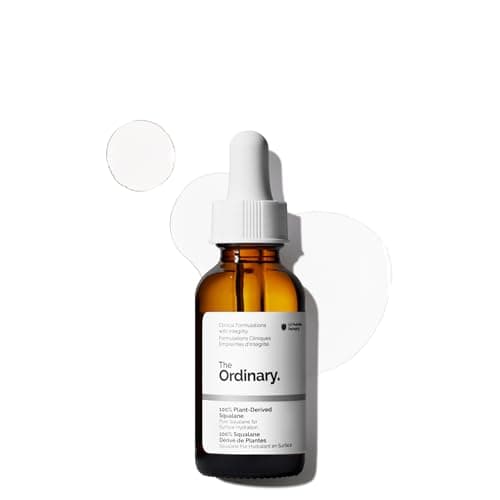
The Ordinary 100% Plant-Derived Squalane
9.2A single-ingredient, plant-derived squalane in a full 30 ml bottle at a low price, stocked almost everywhere — the default pick for most people.
Read our reviewSources
Frequently asked questions
Is squalane or vitamin E better for skin?
They do different jobs. Vitamin E is an antioxidant that protects skin from free-radical damage and moisturizes dry areas; squalane is a light emollient that seals moisture and carries other actives. They're complementary — many antioxidant oils use a squalane base to deliver vitamin E.
Can I use squalane and vitamin E together?
Yes. Apply your antioxidant (vitamin C and E) serum first, then seal with squalane. Many squalane-based oils already include vitamin E or vitamin C, so a single product can cover both. There's no conflict between them.
Does squalane contain vitamin E?
Pure squalane is a single molecule and contains no vitamin E. However, squalane is a popular carrier oil, so many blended serums pair a squalane base with added vitamin E or vitamin C for antioxidant benefits.
Is vitamin E oil comedogenic?
Neat vitamin E oil is quite rich and can feel heavy or contribute to congestion for some people, and oily skin usually doesn't need extra. At the levels used inside a formula it's generally well tolerated. Squalane, at a commonly cited 0 to 1, is the lighter, lower-risk oil.
Keep reading
Want antioxidants in a light oil?
See our ranked squalane picks, including a squalane-based serum that carries a stable vitamin C — each with a live price.
See the best squalane serums