Squalane for Under Eyes
The thinnest skin on your body needs the simplest product you own. Squalane is a strong candidate — with honest limits.
We may earn a commission if you buy through our links, at no extra cost to you. Prices are pulled live from Amazon and can change. How this works.
The skin around your eyes is the thinnest on your body — Cleveland Clinic's dermatologists put it exactly that way, and note it dries and gets irritated more easily as a result. That single fact explains most eye-area advice: the products that suit it are the ones with the fewest things in them, applied gently, in small amounts.
Squalane fits that brief almost perfectly. It's fragrance-free, a single ingredient, non-comedogenic at a commonly cited 0–1, and closely related to a lipid your own skin makes. If you've been eyeing a dedicated eye cream and wondering whether you need one, squalane is a sensible, cheap thing to try first — as long as you're clear about what it does and doesn't do.
Why squalane suits the eye area
- No fragrance. The most common cause of eye-area irritation is fragrance, and a 100% squalane has none.
- One ingredient. Fewer variables means fewer things that can sting, redden, or trigger a reaction on skin that thin.
- Lightweight. It won't sit heavily, migrate into the eye, or make concealer crease the way a rich cream can.
- Barrier-friendly. As an emollient close to your skin's own squalene, it softens the surface and helps hold moisture in — which is the main thing dry under-eye skin needs.
- Cheap enough to be generous with. Eye creams charge a premium for small jars; a squalane oil costs a fraction and lasts.
What squalane can honestly help with
Dryness, tightness, and the fine, crepey texture that comes with dehydrated skin. That's the real list, and it's worth having: under-eye skin that's properly moisturized looks smoother, makeup sits better on it, and the fine lines that show up when skin is dry become less obvious. If your under-eye area feels tight after cleansing or looks papery by the afternoon, squalane addresses exactly that.
It also works as a buffer. If you use a retinol or retinoid and the under-eye area is the part that flakes, applying squalane before or after the treatment there — depending on how sensitive you are — makes it tolerable. Our squalane vs retinol guide covers the sandwich method in detail.
What it won't do
This is the part most product pages skip. Squalane will not fade dark circles, drain puffiness, or remove eye bags. Dark circles are usually caused by pigmentation, visible blood vessels through thin skin, or shadowing from the bone structure underneath — none of which a moisturizing oil touches. Puffiness is fluid, sleep, and genetics. Under-eye bags are a structural change in the fat pad and the tissue holding it.
It also won't rebuild collagen. Cleveland Clinic notes that collagen and elastin break down with age, making skin thinner and more translucent — that's a structural process, and the ingredients with evidence behind them for it are retinoids, not emollients. Squalane makes the surface look better hydrated. That's genuinely useful, and it's the whole claim.
If dark circles or puffiness are your main concern, squalane isn't your answer, and we'd rather say so. A dermatologist can tell you which cause you're dealing with — pigment, vascular, or structural — because the right treatment is completely different for each.
How to apply squalane under the eyes
- Use one drop for both eyes. Genuinely one. Warm it between your ring fingertips first.
- Tap, don't drag. Press gently along the orbital bone — the ridge you can feel under the eye — rather than rubbing the soft skin itself.
- Stay outside the lash line. Keep a few millimeters clear. Oil that migrates into the eye stings and blurs vision, even when it's harmless.
- Apply to slightly damp skin. Over a hydrating serum or straight after cleansing, so there's moisture to seal in.
- Night first. If you're worried about morning puffiness or makeup interaction, start with evenings only and add mornings once you know how it behaves.
Squalane or a dedicated eye cream?
Eye creams aren't a scam, but a lot of what they sell is a smaller jar of the same ingredient categories at a higher price per ounce. Where a dedicated eye product genuinely earns its keep is when it contains something targeted — caffeine, a low-strength retinoid formulated for the eye area, or peptides — or when its texture is specifically designed not to migrate.
If you just want the area moisturized, squalane does that job at a fraction of the cost. If you have a specific concern like pigmentation or lines, use squalane as the moisture step and add a targeted product on top of it. Our squalane for aging skin page covers the actives worth pairing it with, and squalane for sensitive skin covers reactive skin generally. Patch-test first, keep oil out of the eye itself, and see an eye doctor or dermatologist if you get persistent irritation.
Our picks for the eye area
The advice above only works with a fragrance-free, single-ingredient oil, so those are the only ones we'd suggest near the eyes. Both below are 100% squalane, with a live price and cost per ounce shown.
Fragrance-free picks for the eye area
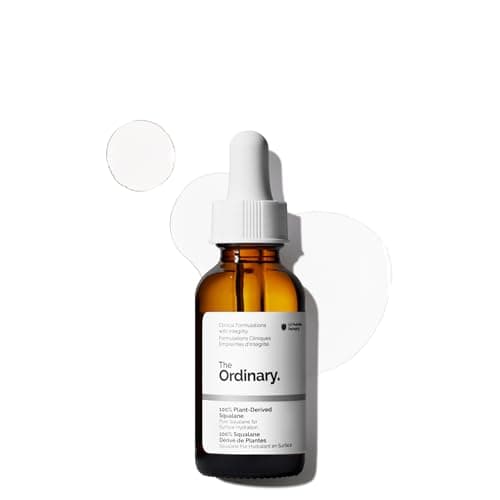
The Ordinary 100% Plant-Derived Squalane
9.2A single-ingredient, plant-derived squalane in a full 30 ml bottle at a low price, stocked almost everywhere — the default pick for most people.
Read our review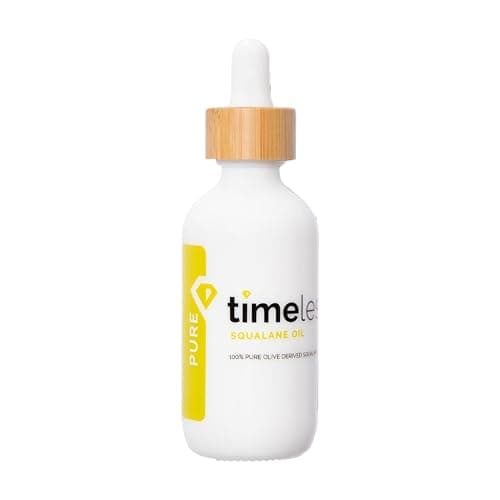
Timeless Skin Care 100% Pure Squalane
9.0A double-size, fragrance-free 100% squalane that usually lands at the lowest cost per ounce of any pick here.
Read our reviewIf the eye area is one part of a wider concern about how skin changes with age, the best squalane for mature skin covers the whole routine — including when a dedicated eye product is worth the per-ounce price and when a drop of plain squalane does the same job.
Eye products are where peptides turn up most often, and where the label is least informative. If you want to compare them on the peptides rather than on the packaging, best squalane and peptide products ranks our picks on how many peptides each published list names and where they sit relative to the squalane.
The same thin-skin logic applies a few inches lower, with one important difference: the neck and décolleté are many times the area of the eye contour, so a 15 ml pot that is the right size here is the wrong size there. Squalane for your neck covers why bottle size decides whether a neck routine survives, and what to use instead of an eye cream.
Sources
Frequently asked questions
Can you use squalane under your eyes?
Yes. Squalane is fragrance-free, lightweight, and commonly rated 0 to 1 on the comedogenic scale, which makes it well suited to the thin skin around the eyes. Use one drop for both eyes, tap it gently along the orbital bone, and keep it clear of the lash line.
Does squalane help dark circles?
No. Dark circles are usually caused by pigmentation, blood vessels showing through thin skin, or shadowing from the bone structure — none of which a moisturizing oil changes. Squalane improves hydration and surface texture, which can make the area look smoother, but it won't lighten circles.
Is squalane safe near the eyes?
It's generally well tolerated because it's a single, fragrance-free ingredient. Keep it a few millimeters outside the lash line, since any oil that migrates into the eye can sting or blur vision temporarily. Stop and see a doctor if you get persistent irritation.
Is squalane as good as an eye cream?
For simple moisturizing, it does the same job for far less per ounce. A dedicated eye cream is worth it when it contains something targeted — caffeine, peptides, or a retinoid formulated for the eye area. Many people use squalane as the moisture step and add a targeted product over it.
Will squalane cause milia around my eyes?
There's no good evidence squalane causes milia. It's a lightweight, low-comedogenic oil rather than a heavy occlusive. If you develop persistent small bumps around the eyes, a dermatologist can identify the cause properly.
Keep reading
Find a fragrance-free bottle
See our ranked squalane oil picks, each with a live price and full ingredient list — the single-ingredient options suit the eye area best.
See the best squalane oils