Squalane and Azelaic Acid: Can You Use Them Together?
Yes, and this is one of the pairings squalane is genuinely good at: azelaic acid underneath, a plain squalane oil over the top to take the edge off the dryness.
We may earn a commission if you buy through our links, at no extra cost to you. Prices are pulled live from Amazon and can change. How this works.
Yes — apply the azelaic acid first, then squalane over the top once it has absorbed. There is no chemical conflict between them and no reason to alternate nights. For most people the best pick for the squalane half is a plain single-ingredient oil, because azelaic acid is already an irritant-in-waiting and the last thing you want on top of it is fragrance or a long ingredient list: The Ordinary 100% Plant-Derived Squalane is the cheapest way to do that, and Timeless Skin Care 100% Pure Squalane is the same molecule in a bigger bottle if you are also treating your back or chest. If your azelaic acid is a prescription, follow the directions you were given — this page is about the moisture step that goes around it.
Azelaic acid is the active that sends people looking for squalane, and the reason is almost always the same: the first two or three weeks are flaky, tight and slightly stingy, and nobody said that was normal. The standard advice at that point is "use a moisturizer", which is correct but unhelpfully vague. What you actually want is the simplest emollient you can find, applied at the right moment, which is what the rest of this page is about.
What azelaic acid is, and why it dries skin out
Azelaic acid is a dicarboxylic acid used on skin for acne and for the inflammatory bumps and redness of rosacea. MedlinePlus lists it in prescription strengths of 15% and 20%, as a gel, foam or cream, usually applied twice a day, and it names dryness, stinging, burning, tingling, peeling and itching among the effects people report when they start. Over-the-counter formulas around 10% are widely sold and behave the same way, more gently.
The dryness is not an allergy and usually is not a reason to stop. It is the predictable result of putting an acid on your face twice a day. What you can change is how much water your skin loses in between applications, and that is a job an emollient does genuinely well — which is where squalane earns its place rather than just being another bottle on the shelf.
Why squalane in particular
Three reasons, and none of them is marketing. First, a 100% squalane has exactly one thing on the ingredient list, so it adds no fragrance, no preservative system and no botanical extract to skin that is already reacting — and added fragrance is the most common cause of cosmetic allergic contact dermatitis, which is the last complication you want to be diagnosing while you are also starting an acid. Second, squalane is commonly rated 0–1 for comedogenicity, so it does not undo the reason you are using azelaic acid in the first place. Third, it is a saturated hydrocarbon rather than a triglyceride, so it does not oxidize and turn rancid sitting on skin next to an active.
The order, step by step
- Cleanse with something mild and pat dry. A foaming wash that leaves your face tight is working against the acid.
- Azelaic acid, a thin layer over the whole area rather than dabbed on spots, exactly as directed on your product or by your dermatologist.
- Wait until it no longer feels wet — usually a couple of minutes. The acid needs to be on your skin, not floating in oil.
- Squalane, two or three drops, pressed in rather than rubbed. On a flaky patch, press a drop in twice rather than using more at once.
- Moisturizer on top if you want more cushion. With azelaic acid most people do, at least for the first month.
- Sunscreen last in the morning. Not optional while you are using any acid.
If it stings on application, the sequence to try is azelaic acid on completely dry skin, then squalane ten minutes later rather than two. Damp skin speeds an acid up, which is the opposite of what a stinging face needs.
Can you mix them together?
We would not. With most pairings, mixing in your palm is a slight downgrade; with a dose-dependent treatment active it is worse than that, because diluting a 15% gel with an unmeasured quantity of oil means you no longer know what strength you applied. If your azelaic acid is prescribed, mixing it with anything also takes it outside the directions you were given. Layer them. Our how to layer squalane guide covers the general rule, and squalane and salicylic acid answers the same question for the other acne acid people already own.
Does squalane stop azelaic acid working?
Applied afterwards, no. Squalane is not an impermeable film — it is an emollient that slows water escaping, not a seal that locks an acid out of skin it has already entered. Applied first, it is a hurdle the acid did not need: there is no benefit to putting oil between an active and your face, which is the whole reason the order above exists. This is the same logic as every other pairing in this family; squalane and retinol explains it at more length for the active people worry about most, and is squalane an occlusive? covers why squalane is a weaker seal than its reputation suggests.
What to look for when you are buying
- One ingredient on the squalane half. An INCI list that reads *Squalane* and stops gives irritated skin nothing extra to react to, and it costs less than the blends.
- Fragrance-free — and check that means no essential oils either. Lavender oil in a soothing product is still fragrance as far as reactive skin is concerned.
- A dropper or pump rather than a wide-mouth jar. You are applying this twice a day with fingers that have just had an acid on them.
- Enough volume that you stop rationing it. The commonest mistake in an azelaic acid routine is being stingy with the moisture step. A 2 fl oz bottle removes the temptation.
- For the acid half: start at the lowest strength you can buy and work up, unless a dermatologist has told you otherwise. A 15–20% prescription formula is not a faster version of the same thing — it stings more.
What to buy for this pairing
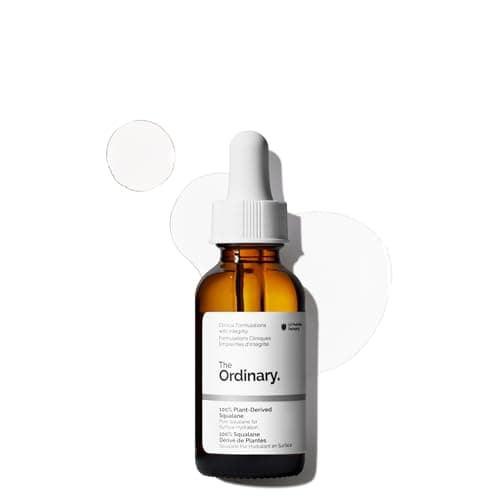
The Ordinary 100% Plant-Derived Squalane
9.2A single-ingredient, plant-derived squalane in a full 30 ml bottle at a low price, stocked almost everywhere — the default pick for most people.
Read our review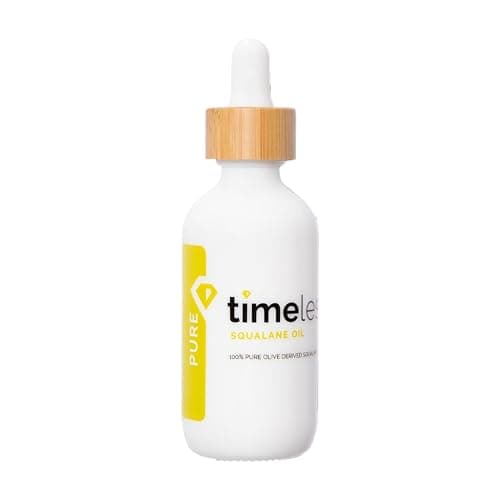
Timeless Skin Care 100% Pure Squalane
9.0A double-size, fragrance-free 100% squalane that usually lands at the lowest cost per ounce of any pick here.
Read our review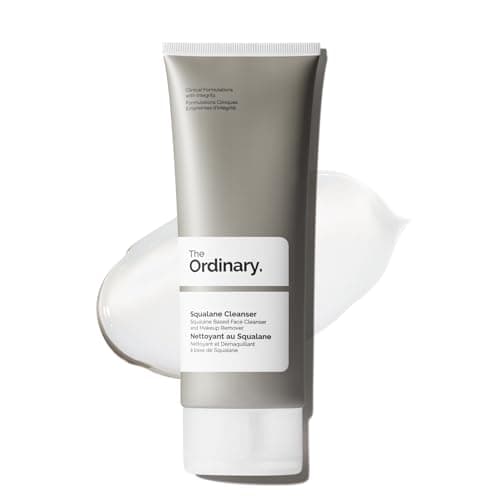
The Ordinary Squalane Cleanser
8.9A squalane-based melting balm cleanser that dissolves makeup and sunscreen without stripping the barrier — the standout squalane cleanser.
Read our reviewWho this pairing suits
Anyone in the first six weeks of azelaic acid, and anyone using it long term on skin that runs dry. It is a particularly sensible pair for rosacea-prone skin, where the treatment is often azelaic acid and the complaint is almost always tightness and flaking — squalane for rosacea-prone skin covers that in full, including why a single-ingredient emollient beats a soothing blend. For acne-prone skin, the pair works because squalane is one of the very few oils that does not make the underlying problem worse: see squalane for acne-prone skin and is squalane comedogenic?.
If you are also starting benzoyl peroxide or a retinoid, do not begin them in the same week as the azelaic acid. Add one thing at a time, a week apart — not out of general caution, but because when two new products go on together and your face stings, you have no way of knowing which one to stop. Squalane and benzoyl peroxide covers that combination, and can you be allergic to squalane? covers how to narrow it down if the sting does not settle.
Sources
- MedlinePlus (NIH) — Azelaic Acid Topical: drug information and precautions
- American Academy of Dermatology — Acne: Tips for Managing
- Cleveland Clinic — Squalane: Benefits and How To Use It
- Healthline — Squalane: Benefits, Uses, and Side Effects
- Healthline — Contact Dermatitis: Causes, Symptoms, and Treatment
Frequently asked questions
Can you use squalane and azelaic acid together?
Yes. There is no chemical conflict between them and no need to alternate nights. Apply the azelaic acid first on clean skin, wait until it no longer feels wet, then press two or three drops of squalane over the top. Squalane does not deactivate the acid and does not make acne worse — it is commonly rated 0 to 1 for comedogenicity.
Which goes on first, squalane or azelaic acid?
Azelaic acid. It is a treatment active that has to get into skin to work, so nothing should sit between it and your face. Squalane works at the surface, so it goes second. Putting the oil on first does not block the acid outright, but it slows it down for no benefit.
Will squalane stop my azelaic acid from working?
No, not applied afterwards. Squalane is an emollient that slows water loss, not a seal that locks the acid out of skin it has already entered. The only version of this that does cause a problem is applying the oil first, which puts a lipid layer in the acid's way.
Why does azelaic acid make my skin flake?
Because it is an acid applied once or twice a day. MedlinePlus lists dryness, peeling, stinging, burning and itching among the effects people report when starting azelaic acid, and the first few weeks are usually the worst of it. It is not an allergy and usually not a reason to stop, but it is a reason to take the moisture step seriously.
Can I mix squalane into my azelaic acid?
We would not. Azelaic acid is dose-dependent, so diluting a 15% or 20% formula with an unmeasured quantity of oil means you no longer know what strength you applied — and if it is a prescription, mixing it takes it outside the directions you were given. Layer them instead.
Is squalane better than a moisturizer with azelaic acid?
Not better, different, and most people end up using both. A cream gives more cushion and usually contains humectants that draw water in; a plain squalane gives the simplest possible emollient layer with nothing in it to sting. In the first few weeks of an acid, the usual answer is squalane and then a cream over the top.
Can I use azelaic acid and squalane in the morning as well as at night?
Yes, if your azelaic acid directions say twice daily, which many do. Squalane can be used morning and night with no exposure limit. Sunscreen still goes on last in the morning, over both, and matters more than usual while you are using any acid.
Keep reading
Pick the squalane half
Our ranked squalane oil picks, each with a live price and cost per ounce — the single-ingredient bottles are the ones to use alongside an acid.
See the best squalane oils