Squalane for Rosacea-Prone Skin
Squalane is a gentle, fragrance-free moisture step redness-prone skin often tolerates — but it's no substitute for a dermatologist's rosacea plan. Here's how to use it safely.
We may earn a commission if you buy through our links, at no extra cost to you. Prices are pulled live from Amazon and can change. How this works.
If your skin is prone to rosacea, you already know how fast the wrong product can trigger a flush. Squalane is worth knowing about because it's the opposite of that: a gentle, fragrance-free, barrier-supporting moisture step that reactive, redness-prone skin often tolerates well. But it's important to be clear from the start — squalane is not a rosacea treatment. It doesn't calm the underlying condition, and it's no substitute for a proper plan from a dermatologist.
What squalane can do is add lightweight moisture and support a barrier that rosacea-prone skin tends to struggle with, all with very few of the triggers that commonly set redness off. Used alongside professional care and products you already know your skin tolerates, it's a low-risk way to keep skin comfortable between good days and bad.
Why redness-prone skin often tolerates squalane
Rosacea-prone skin reacts to a long list of things, so the appeal of squalane is mostly about what it leaves out:
- Fragrance-free in its pure form — fragrance is a well-known rosacea trigger.
- A single ingredient, so there's very little in the bottle to react to.
- Mimics a lipid your skin already makes, which is why it's rarely irritating.
- Barrier support — it helps reduce the water loss that leaves compromised skin reactive.
- Lightweight — it seals in moisture without a heavy, heat-trapping film.
None of this is a guarantee — rosacea-prone skin is individual, and what one person tolerates another may not. But as facial oils go, a plain squalane is one of the lower-risk things you can try, which is exactly why it comes up so often in gentle, barrier-focused routines.
The barrier and rosacea-prone skin
Rosacea-prone skin frequently has a weakened barrier, which is part of why it reacts so easily and loses water so readily. Supporting that barrier is one of the few things widely agreed to help day to day — gentle cleansing, a simple fragrance-free moisturizer, and diligent sun protection. Reactive skin tends to do better with a minimal, gentle routine than an active-heavy one.
Squalane fits that gentle-and-minimal approach neatly. It's an emollient that helps seal in water and soften the surface without adding fragrance or weight, so it can slot in as the moisture step without stacking on risk. To be completely clear, though: it supports the barrier — it does not treat the redness, the flushing, or the bumps that come with rosacea.
What squalane can't do for rosacea
It's worth stating plainly, because rosacea attracts a lot of overblown claims. Squalane won't reduce the flushing, visible vessels, or bumps that come with rosacea, and it won't shorten a flare. Those are medical concerns that respond to medical treatment — the prescription creams, gels, or other therapies a dermatologist can offer after actually looking at your skin.
Where squalane earns its keep is comfort: less tightness, less of the dry, stinging feeling a compromised barrier causes, and a gentle way to moisturize that doesn't add fuel to the fire. Treat it as a supporting player in a plan your doctor leads, and it can be a genuinely useful one.
See a dermatologist for a real rosacea plan — squalane supports comfort, it doesn't treat the condition. Patch-test any new product on a small area for several days, add just one new thing at a time, and keep avoiding your known triggers, which for many people include fragrance, heat, sun, alcohol-heavy products, and harsh scrubs.
How to use squalane if your skin is rosacea-prone
Gentleness matters more than any single product. A calm, simple routine might look like this:
- Cleanse with a gentle, fragrance-free cleanser — lukewarm water, no scrubbing.
- Apply any dermatologist-prescribed treatment first and let it fully absorb.
- Press two or three drops of squalane into slightly damp skin to seal in moisture.
- In the morning, finish with a broad-spectrum sunscreen, since sun is a common trigger.
Keep the overall routine short — the fewer products on reactive skin, the fewer chances for something to go wrong. If your skin is calm and you want to add a hydrating layer, squalane for sensitive skin and squalane for dry skin cover gentle ways to build up slowly.
Choosing a squalane
Reach for a 100% squalane with nothing else on the label. Blends that add fragrance, essential oils, or botanical extracts reintroduce the exact triggers redness-prone skin is trying to avoid — even plant-derived 'naturals' like citrus or mint oil can spark a flare. The plainer the formula, the safer the trial.
Simple, fragrance-free value picks are ideal, because they keep the formula to the single molecule you want and are inexpensive enough to patch-test without much at stake. If you want to understand the pore-clogging side of the question too, is squalane comedogenic? has the detail.
Simple, fragrance-free picks
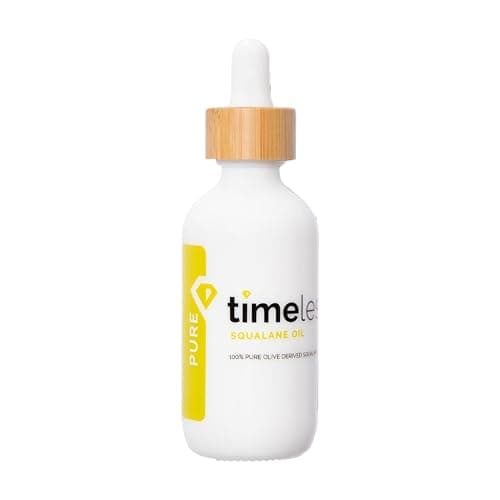
Timeless Skin Care 100% Pure Squalane
9.0A double-size, fragrance-free 100% squalane that usually lands at the lowest cost per ounce of any pick here.
Read our review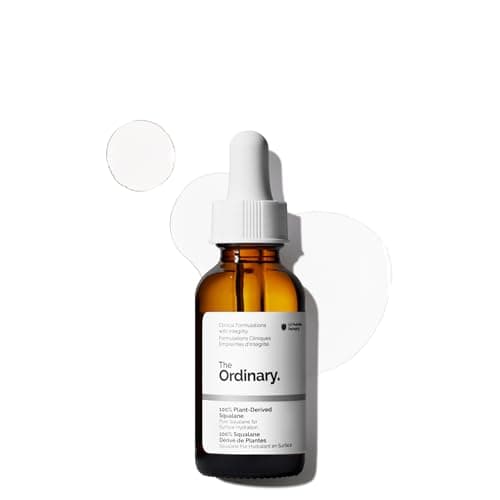
The Ordinary 100% Plant-Derived Squalane
9.2A single-ingredient, plant-derived squalane in a full 30 ml bottle at a low price, stocked almost everywhere — the default pick for most people.
Read our reviewSources
Frequently asked questions
Is squalane good for rosacea?
It can be a good moisture step for rosacea-prone skin, which often tolerates it well because it's gentle, fragrance-free, and barrier-supporting. But it is not a rosacea treatment — it supports comfort rather than calming the condition, so use it alongside a dermatologist's plan and patch-test first.
Can squalane trigger a rosacea flare?
Pure squalane is low-risk and fragrance-free, so it's less likely to trigger a flare than most products. Individual skin varies, though, and blends that add fragrance or essential oils are more likely culprits. Patch-test on a small area for several days before using it on your face.
Does squalane treat rosacea?
No. Squalane hydrates and supports the skin barrier, but it does nothing to treat the flushing, redness, visible vessels, or bumps of rosacea. Those need medical treatment, so see a dermatologist for a real plan and use squalane only as a gentle comfort step.
How should I patch-test squalane if I'm prone to rosacea?
Apply a small amount to a discreet spot, such as the side of your neck or inner forearm, and wait several days to watch for any redness, warmth, or stinging. Add only squalane during that window, with no other new products, so you can be confident about how your skin responds.
Keep reading
Keep it simple and gentle
Browse fragrance-free, single-ingredient squalane oils, each with a live price and who it suits.
See the best squalane oils