Squalane and Salicylic Acid: Can You Use Them Together?
Yes, and squalane is arguably the most useful thing you can own alongside a BHA — it is what stops the dryness that makes people quit in week three.

We may earn a commission if you buy through our links, at no extra cost to you. Prices are pulled live from Amazon and can change. How this works.
Yes — salicylic acid first, squalane after. The BHA goes on clean, dry-to-barely-damp skin and gets a few minutes to work; squalane goes on top as the emollient that replaces the comfort the acid took away. There is no chemical incompatibility: squalane has no pH, so it cannot neutralise an acid, and it is not an active competing for the same receptor. The practical reason this pairing matters is simpler than chemistry. Most people who stop using salicylic acid stop because their skin got tight, flaky and sore in the second or third week, and a plain squalane oil is the cheapest, least reactive way to make that not happen.
A note before the detail: salicylic acid is a drug with real precautions, not just a cosmetic ingredient. MedlinePlus lists topical salicylic acid with directions and warnings, and if you are using a prescription-strength product, treating a large area, or are pregnant, the instructions you were given take precedence over anything on this page.
What salicylic acid does, and why it dries you out
Salicylic acid is a beta hydroxy acid, and the thing that distinguishes it from glycolic or lactic acid is that it is oil-soluble. That means it can get into a pore lined with sebum rather than only working on the surface, which is why it is the standard over-the-counter choice for blackheads, whiteheads and congested skin rather than for dryness or tone. It loosens the bonds holding dead cells together, and inside a pore it helps clear the plug of cells and oil that becomes a comedone.
The dryness is not a side effect in the sense of something going wrong; it is the same mechanism, applied to the whole surface. Removing dead cells and degreasing a pore also thins and degreases the surface layer that holds water in. So skin loses water faster, feels tight, and in cold or air-conditioned air starts to flake. The American Academy of Dermatology's acne guidance is explicit that moisturising is part of an acne routine rather than a contradiction of one — treating acne without moisturising is how people end up with acne *and* a damaged barrier.
Why squalane is the right thing to pair it with
- It is commonly rated 0–1 on the comedogenic scale, which makes it one of very few oils that is a sensible idea on skin that is actively breaking out. See is squalane comedogenic? for what that rating does and does not mean.
- It has no pH, so it cannot raise the pH of the acid you just applied or deactivate it.
- It is considered fungal-acne safe, because Malassezia cannot feed on a saturated hydrocarbon — relevant because a lot of "acne" that does not respond to BHA is actually fungal.
- In its pure form it has nothing else in it: no fragrance, no actives, no botanical extracts. On skin that an acid has already made reactive, that is the whole point.
- It is cheap enough to use generously, which matters because the fix for acid-induced dryness is more emollient, more often, not a smaller amount of something expensive.
The order and the timing
- Cleanse. Use something that does not strip — if your cleanser already leaves skin tight, the acid is starting from a worse place.
- Salicylic acid on clean skin. A leave-on BHA goes on a face that is dry or barely damp, not dripping.
- Wait three to five minutes. Not because the oil would neutralise it, but because you want the acid in contact with skin before you add a lipid layer over it.
- Squalane, two to three drops, pressed in. On nights when skin is tight, mist with plain water first and apply over the damp surface — squalane on damp skin explains why that matters.
- Moisturiser on top if you need more than the oil. In the morning, sunscreen last and always.
If your skin is already stinging, invert it. Squalane first as a buffer, then the acid on top over it. You lose some of the acid's efficiency and keep using it — which beats a perfect routine you abandon.
How often, and the mistakes
Start the BHA two or three nights a week, not every night, and increase only if your skin is comfortable. Use the squalane every night regardless, including the nights you skip the acid — the emollient is not the thing to ration. The commonest errors we see: stacking salicylic acid with a retinoid on the same night when you are new to both; using a BHA cleanser *and* a BHA serum *and* a BHA toner and wondering why your face hurts; and reaching for a "calming" product full of botanical extracts when the simplest possible emollient was the right answer. On the retinoid question specifically, squalane and retinol and squalane with tretinoin cover the buffering methods.
What to look for when you are buying
- For the acid: a 2% leave-on BHA is the standard over-the-counter strength, and starting lower is reasonable. A rinse-off BHA cleanser is gentler because the contact time is seconds.
- For the squalane: a single-ingredient oil. On skin an acid has already irritated, a bottle whose INCI list reads *Squalane* and stops gives nothing else a chance to be the problem.
- Fragrance-free on both halves. Added fragrance is the most common cause of cosmetic allergic contact dermatitis, and it is the first thing to remove when a routine starts stinging.
- A non-stripping cleanser is part of this pairing, not a separate issue — if the wash takes the lipids off, the acid starts from a deficit.
- Enough squalane that you will use it twice a day. A 13 ml bottle gets rationed; a 30 or 60 ml bottle gets used.
What to buy alongside a salicylic acid routine
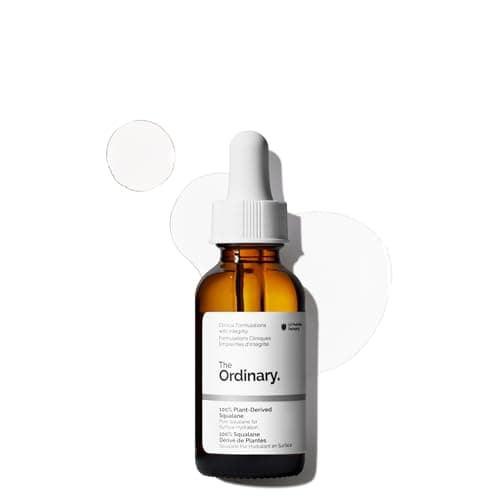
The Ordinary 100% Plant-Derived Squalane
9.2A single-ingredient, plant-derived squalane in a full 30 ml bottle at a low price, stocked almost everywhere — the default pick for most people.
Read our review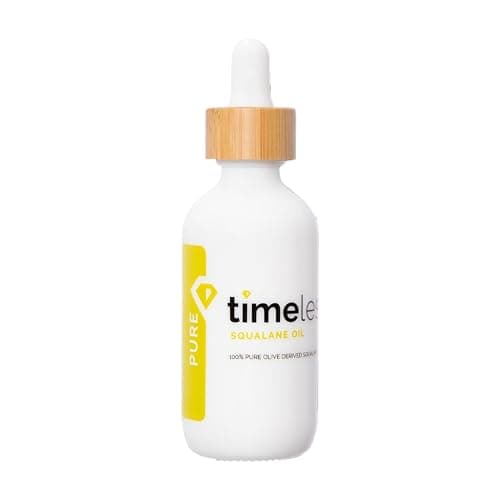
Timeless Skin Care 100% Pure Squalane
9.0A double-size, fragrance-free 100% squalane that usually lands at the lowest cost per ounce of any pick here.
Read our review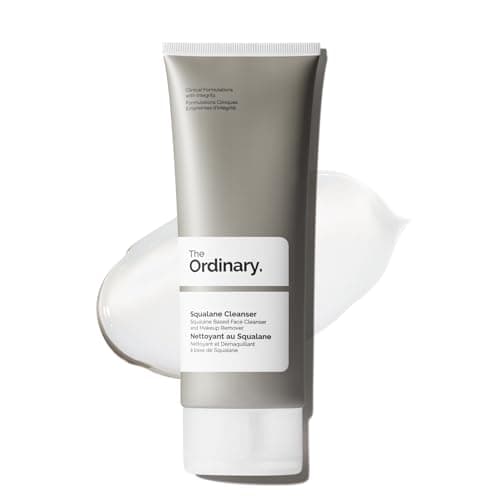
The Ordinary Squalane Cleanser
8.9A squalane-based melting balm cleanser that dissolves makeup and sunscreen without stripping the barrier — the standout squalane cleanser.
Read our reviewWhen to stop and see someone
Squalane is an emollient, not a treatment — it will not clear a breakout and it does not make salicylic acid work better, only more tolerable. If your acne is painful, nodular or scarring, over-the-counter BHA is not the right tool and a dermatologist is: the prescription options are substantially more effective and the window to prevent scarring is not indefinite. And if a salicylic acid product causes burning, significant redness or peeling that does not settle within a day, stop it rather than pushing through. Our page on whether squalane can cause breakouts covers how to tell the oil apart from the acid if something goes wrong.
The same pattern applies to the other acne acids, with different timings. Squalane and azelaic acid covers the acid most often used for rosacea as well as acne, squalane and benzoyl peroxide covers the harshest of them, and squalane and glycolic acid covers the AHA, where the wait before the oil goes on is longer.
Sources
- MedlinePlus (NIH) — Salicylic Acid Topical: drug information and precautions
- American Academy of Dermatology — Acne: Tips for Managing
- Cleveland Clinic — Squalane: Benefits and How To Use It
- Healthline — Squalane: Benefits, Uses, and Side Effects
- Healthline — Contact Dermatitis: Causes, Symptoms, and Treatment
Frequently asked questions
Can you use squalane with salicylic acid?
Yes. Salicylic acid goes on first, on clean skin, and gets three to five minutes to work; squalane goes over the top as the emollient layer. Squalane has no pH so it cannot neutralise the acid, and it is commonly rated 0–1 on the comedogenic scale, which makes it one of the few oils that is sensible on breakout-prone skin.
Does squalane stop salicylic acid from working?
Not when it goes on afterwards. Squalane is not an impenetrable film and the acid has already been in contact with your skin. What is worth avoiding is applying the oil first, underneath the acid, which puts a lipid layer between a treatment and the skin for no benefit. If your skin is stinging badly, buffering underneath is a reasonable trade — less efficiency, more chance you keep using it.
Should I apply squalane before or after a BHA?
After, in almost every case. The standard order is cleanse, acid, wait a few minutes, then squalane, then moisturiser if you want it, then sunscreen in the morning. The exception is skin that is already irritated, where applying squalane first as a buffer is the version of the routine you will actually stick to.
Why does salicylic acid make my skin dry and flaky?
Because that is the same mechanism it uses on your pores, applied to the whole surface. It loosens the bonds between dead cells and degreases, which thins the layer that holds water in, so skin loses water faster and starts to flake. Dermatology guidance treats moisturising as part of an acne routine, not a contradiction of one.
Can I use squalane, salicylic acid and retinol together?
Not all on the same night when you are new to any of them. A sensible pattern is the acid on some nights, the retinoid on others, and squalane every night as the constant. Once your skin is settled on both, some people combine them — but introduce one variable at a time, because when three new things go on at once and something stings, you cannot tell which.
Is squalane better than a moisturiser alongside salicylic acid?
It is simpler, not inherently better. A plain squalane oil is the shortest possible ingredient list, which is its advantage on skin an acid has already made reactive. A full moisturiser adds humectants that hold water in the surface and often ceramides that replace barrier lipids, which is more help on genuinely dry skin. Many people use both: cream first, squalane pressed over it.
Can I use a squalane cleanser with a salicylic acid treatment?
Yes, and it is a sensible combination. The reason skin suffers on an acid routine is often the cleanser rather than the acid — a stripping wash removes surface lipids before the acid has even been applied. A squalane-based balm or a gentle foaming oil cleanser leaves the surface intact, which gives the acid a better starting point.
Keep reading
The bottle that keeps you on the acid
Our ranked squalane oil picks, with live prices and cost per ounce — the single-ingredient oils are the ones to use alongside a BHA.
See the best squalane oils