Is Squalane Fungal-Acne Safe?
For the one skin issue where most oils are off-limits, squalane is a rare safe bet. Here's the why behind it.
We may earn a commission if you buy through our links, at no extra cost to you. Prices are pulled live from Amazon and can change. How this works.
Fungal acne — more accurately Malassezia folliculitis — is the frustrating condition where a yeast that naturally lives on skin overgrows in the follicles and causes small, uniform, often itchy bumps. What makes it so annoying is that many otherwise-lovely ingredients feed the yeast, so most facial oils, fatty acids, and esters are off the menu. Squalane is one of the rare oils that's widely considered fungal-acne safe.
The short version: the Malassezia yeast feeds on certain oils and fatty acids, but it can't metabolize a saturated hydrocarbon like squalane. That's why squalane is one of the go-to oils for people managing fungal acne — though, as always, it's a low-risk moisturizing step, not a treatment for the condition itself.
What fungal acne is (and isn't)
Despite the nickname, fungal acne isn't classic acne at all. Regular acne involves clogged pores, oil, and bacteria; fungal acne is an overgrowth of Malassezia yeast in the hair follicles. That's why it often looks different — small, same-sized bumps, frequently on the forehead, chest, and back, and often itchy — and why it doesn't respond to normal acne products. Getting the diagnosis right matters, because the fixes are different; a dermatologist can confirm which you're dealing with.
Why squalane doesn't feed the yeast
Malassezia relies on specific lipids — particularly certain fatty acids and the oils and esters that provide them — as a food source, which is why so many oils aggravate fungal acne. Squalane is chemically different: it's a saturated hydrocarbon, the hydrogenated form of squalene, with no free fatty acids for the yeast to use. Because there's nothing there to feed on, squalane is widely regarded as safe for fungal-acne-prone skin. It's also commonly rated 0–1 on the comedogenic scale, so it's unlikely to contribute to ordinary clogged-pore breakouts either — see is squalane comedogenic?.
Honest limit: 'fungal-acne safe' means squalane is unlikely to make fungal acne worse — not that it treats or cures it. Active fungal acne usually needs an antifungal approach; see a doctor or dermatologist for a diagnosis and the right treatment.
How to use squalane with fungal-acne-prone skin
- Pick a 100% squalane oil. A single-ingredient product avoids the fatty acids and esters that can feed the yeast — the safest choice.
- Check blends carefully. In mixed formulas, other oils or fatty-acid-based ingredients may not be fungal-acne safe even if the squalane is.
- Introduce it alone. Add one new product at a time so you can tell what your skin is responding to.
- Treat the condition separately. Use squalane for moisture, but get an actual antifungal plan from a professional for active breakouts.
Single-ingredient, fungal-acne-friendly picks
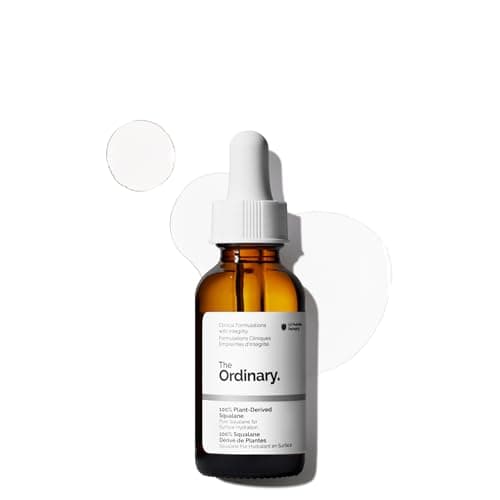
The Ordinary 100% Plant-Derived Squalane
9.2A single-ingredient, plant-derived squalane in a full 30 ml bottle at a low price, stocked almost everywhere — the default pick for most people.
Read our review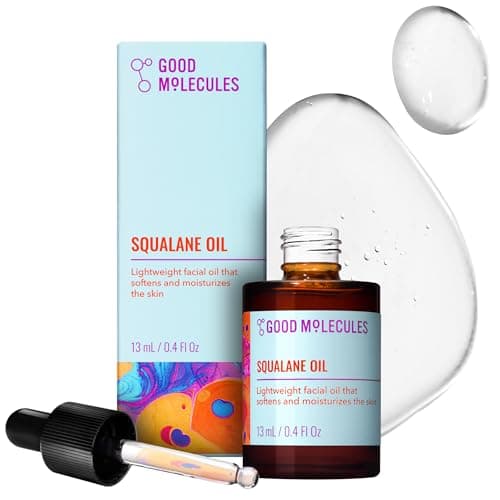
Good Molecules Squalane Oil
8.9The lowest sticker price of any 100% squalane here — but in a 13 ml bottle, so it's the cheapest way to try the ingredient, not the cheapest way to keep using it.
Read our reviewWhat to look for
Keep it as simple as possible: a plain 100% squalane oil with nothing else on the label is the lowest-risk option for fungal-acne-prone skin. Avoid squalane products blended with fatty-acid-rich oils if you're being strict. For general breakout worries, see can squalane cause breakouts? and squalane for acne-prone skin. Always patch-test, and let a dermatologist confirm the diagnosis.
Sources
Frequently asked questions
Is squalane safe for fungal acne?
Yes, squalane is widely considered fungal-acne safe. The Malassezia yeast behind fungal acne feeds on certain oils and fatty acids but can't metabolize a saturated hydrocarbon like squalane, so pure squalane doesn't provide it a food source. It's a low-risk moisturizing step, not a treatment for the condition.
Why is squalane fungal-acne safe when other oils aren't?
Most oils contain free fatty acids or esters that Malassezia can use as food, which aggravates fungal acne. Squalane is a saturated hydrocarbon with none of those, so the yeast can't feed on it — that's why it's one of the few oils considered safe for fungal-acne-prone skin.
Can squalane cure fungal acne?
No. Being fungal-acne safe means squalane is unlikely to make it worse, not that it treats or cures it. Active fungal acne usually needs an antifungal approach, so see a doctor or dermatologist for a diagnosis and treatment plan.
Which squalane is best for fungal acne?
A plain 100% squalane oil with nothing else on the ingredient list is the safest choice, since it avoids the fatty acids and esters that can feed the yeast. Be cautious with blended formulas, which may contain other oils that aren't fungal-acne safe.
Keep reading
Find a single-ingredient squalane
See our ranked squalane oil picks, each with a live price and who it suits — pure, single-ingredient options included.
See the best squalane oils