Squalane vs Coconut Oil
Coconut oil earns its keep on the body and hair, but it's risky on the face. Here's why squalane is the clear winner for facial skin.
We may earn a commission if you buy through our links, at no extra cost to you. Prices are pulled live from Amazon and can change. How this works.
Coconut oil and squalane both get sold as natural, do-everything moisturizers, but on the face they behave very differently. Coconut oil is deeply moisturizing and even antimicrobial, which makes it a genuinely good body and hair oil. Squalane is a single, ultra-light molecule that hydrates the face without clogging pores. The honest headline: coconut oil is one of the more common pore-cloggers on facial skin, while squalane is one of the safest facial oils going.
The quick answer: for your face, squalane wins clearly — it's light, stable, fragrance-free, and commonly rated 0–1 on the comedogenic scale, whereas coconut oil is commonly cited as high on that scale and can trigger clogged pores and blackheads, especially on oily and acne-prone skin. For your body, hands, and hair, coconut oil is a rich, affordable option worth keeping around. Choose by where you're using it.
Squalane vs coconut oil at a glance
What each oil actually is
Squalane starts as squalene, a lipid your skin already produces, then gets hydrogenated into a stable, saturated, lightweight form. It's a single, refined, fragrance-free ingredient that absorbs cleanly and sits at the friendly end of the comedogenic scale. More detail is in what is squalane?.
Coconut oil is pressed from the flesh of coconuts and is made up largely of saturated fats, most notably lauric acid, which gives it antimicrobial properties. It's semi-solid at room temperature and melts on contact with skin into a rich, occlusive layer. That richness is exactly what makes it a comforting body oil — and exactly what makes it a problem for many faces.
What coconut oil does well
Give coconut oil its due: it's a deeply moisturizing, inexpensive, widely available oil, and its lauric acid content gives it real antimicrobial qualities. On the body, it softens dry shins, elbows, and hands; on hair, it's a classic conditioning and pre-wash treatment that many people swear by for smoothing and shine. Kept below the neck, coconut oil is a legitimately useful, budget-friendly multitasker.
The catch is the face. Because coconut oil is so rich and occlusive, it's commonly cited as high on the comedogenic scale, meaning it's relatively likely to block pores and contribute to blackheads and breakouts — particularly on oily and acne-prone facial skin. Some people with very dry skin tolerate it on the face, but it's a gamble that isn't worth taking when lighter, lower-risk options exist. Coconut oil also isn't a treatment for any skin condition.
Why squalane is the better face oil
Squalane is built for facial skin in the ways coconut oil isn't. It's lightweight and absorbs in under a minute with no greasy film, it's fragrance-free in its pure form, and it's commonly rated 0–1 on the comedogenic scale, so it's very unlikely to clog pores — the opposite of coconut oil's reputation. It's also considered fungal-acne safe, because the Malassezia yeast behind that condition can't feed on saturated hydrocarbons like squalane. For anyone with oily or breakout-prone skin, that combination is exactly what you want; see is squalane comedogenic? and squalane for acne-prone skin for more.
Squalane is stable at room temperature, stays liquid, and layers cleanly under sunscreen and makeup. It won't melt, feel heavy, or leave the slick that coconut oil does. In short, it delivers the hydration and barrier support you'd want from a facial oil without the pore-clogging risk.
Rule of thumb: keep coconut oil below the neck. On the body, hands, and hair it's a rich, affordable moisturizer; on oily or acne-prone facial skin it's one of the more likely oils to trigger clogged pores and blackheads. For the face, reach for squalane.
Which should you choose?
- Choose squalane for your face — all skin types, and especially oily, combination, or acne-prone skin that can't risk clogged pores.
- Keep coconut oil for the body and hair, where its richness is an asset and pore-clogging matters far less.
- If your skin is very dry and you love coconut oil on your face, that's your call — but patch-test carefully, and know that squalane offers similar comfort at a fraction of the clogging risk.
Our low-risk squalane picks for the face
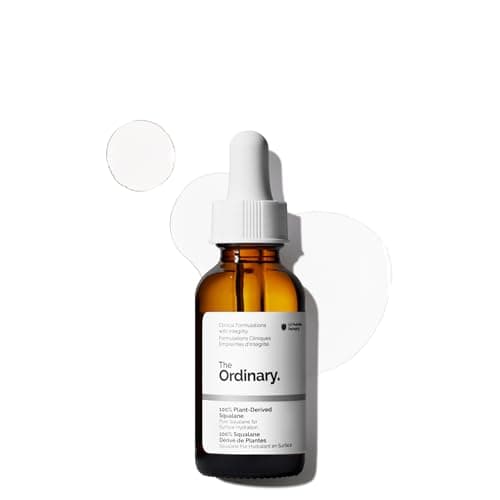
The Ordinary 100% Plant-Derived Squalane
9.2A single-ingredient, plant-derived squalane in a full 30 ml bottle at a low price, stocked almost everywhere — the default pick for most people.
Read our review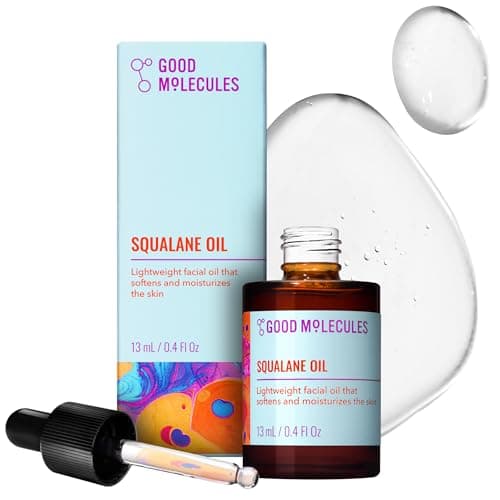
Good Molecules Squalane Oil
8.9The lowest sticker price of any 100% squalane here — but in a 13 ml bottle, so it's the cheapest way to try the ingredient, not the cheapest way to keep using it.
Read our reviewHow to use squalane on your face
Squalane is an oil, so it goes near the end of your routine, after water-based serums and before or mixed into a moisturizer. A few drops pressed into slightly damp skin is plenty, morning or night; in the morning, apply it before sunscreen. Full steps are in how to use squalane oil. Patch-test any new product, and if you're managing acne or another skin condition, check with a doctor or dermatologist.
Sources
Frequently asked questions
Is squalane or coconut oil better for your face?
Squalane, clearly. It's lightweight, fragrance-free, and commonly rated 0 to 1 on the comedogenic scale, so it's very unlikely to clog pores. Coconut oil is commonly cited as high on that scale and can trigger blackheads and breakouts on facial skin, especially oily and acne-prone types. Coconut oil is better kept for body and hair.
Does coconut oil clog pores?
On the face, it commonly can. Coconut oil is rich and occlusive and is frequently cited as high on the comedogenic scale, so it's relatively likely to block pores and cause blackheads, particularly on oily and acne-prone skin. Squalane is the much lower-risk facial choice at a rating of 0 to 1.
Can I use coconut oil on my body instead of the face?
Yes. Coconut oil is a rich, affordable, moisturizing option for the body, hands, and hair, where pore-clogging is far less of a concern. The problems people report are mostly on facial skin, so keeping it below the neck is a sensible rule of thumb.
Is squalane safe for acne-prone skin?
Generally yes. Squalane is commonly rated 0 to 1 on the comedogenic scale, is fragrance-free in its pure form, and is considered fungal-acne safe, which makes it one of the few facial oils suited to acne-prone skin. It hydrates without adding clogging risk. Patch-test any new product first.
Keep reading
Ready to pick a squalane oil?
See our ranked squalane oil picks, each with a live price, cost per ounce, and who it suits.
See the best squalane oils