Squalane vs Shea Butter
One is a heavy, protective butter; the other a featherweight oil. They solve different problems — and pair perfectly.
We may earn a commission if you buy through our links, at no extra cost to you. Prices are pulled live from Amazon and can change. How this works.
Squalane and shea butter both moisturize, but they sit at opposite ends of the richness scale. Shea butter is a thick, buttery emollient packed with fatty acids and anti-inflammatory compounds — brilliant on very dry skin and the body. Squalane is a light, fast-absorbing oil that's commonly rated 0–1 on the comedogenic scale — ideal for the face and for oily or acne-prone skin. This isn't really either/or; it's about matching the texture to the job.
The quick answer: use shea butter where you want heavy, protective richness (hands, elbows, very dry body skin), and use squalane where you want a weightless, non-comedogenic finish (the face, oily skin, under makeup). Many people happily own both.
Squalane vs shea butter at a glance
What shea butter does well
Shea butter is a heavyweight moisturizer in the best sense. Its fatty acids lubricate the skin and form a barrier that holds moisture in, and it contains anti-inflammatory substances that can ease the look of redness and dry irritation. On rough, cracked, or very dry areas — heels, elbows, hands in winter — it's hard to beat for sheer comfort and staying power.
The honest caveat is the face. The American Academy of Dermatology notes that shea butter applied to the face, back, or chest may clog pores and contribute to breakouts, so it's often best kept to the body if your skin is oily, combination, or acne-prone. Sources disagree on exactly how comedogenic pure shea is, which is reason enough to be cautious with it on facial skin.
Where squalane pulls ahead
Squalane is the face specialist here. It's light enough to disappear in under a minute, fragrance-free, and commonly rated 0–1 on the comedogenic scale, so it suits exactly the oily and breakout-prone skin that heavy shea can overwhelm. It mimics squalene, a lipid your skin already makes, so it sits comfortably even on sensitive skin — see what is squalane?.
It's also far easier to layer. Squalane slips under sunscreen and makeup without pilling and won't leave the greasy film a butter can, which makes it the more practical everyday moisturizing step for most faces.
Buyer-first verdict: they're teammates, not rivals. Shea butter wins on the body and on very dry patches; squalane wins on the face and for oily or acne-prone skin. Use shea below the neck and squalane above it, and you've covered both.
Which should you choose (or use both)?
- Choose squalane if you want a face oil, have oily or acne-prone skin, or want a light, non-comedogenic finish that layers cleanly.
- Choose shea butter if you need heavy, protective moisture for the body, hands, or very dry patches.
- Use both if you want head-to-toe coverage — squalane on the face, shea butter on drier body skin.
Our squalane picks
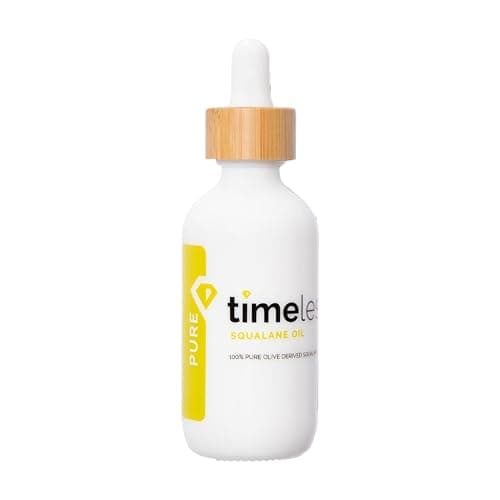
Timeless Skin Care 100% Pure Squalane
9.0A double-size, fragrance-free 100% squalane that usually lands at the lowest cost per ounce of any pick here.
Read our review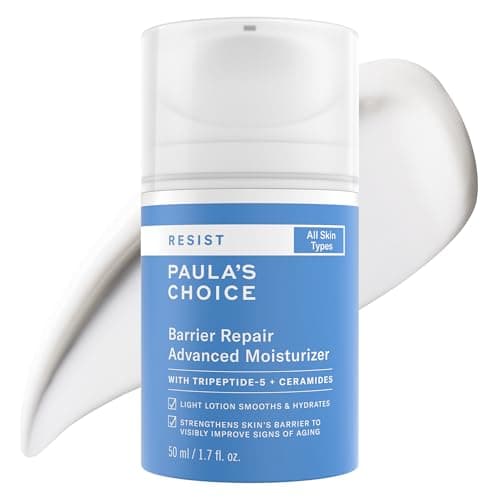
Paula's Choice RESIST Barrier Repair Advanced Moisturizer
8.1Squalane 6th of 35 inside a genuine five-ceramide-plus-cholesterol barrier formula, with no fragrance on the list.
Read our reviewHow to use them together
Keep them to different zones. Press a few drops of squalane onto the face after your serums and before or mixed into moisturizer; save shea butter for the body, hands, and feet, applied to slightly damp skin to lock in water. If your face runs very dry, a squalane oil layered over a ceramide moisturizer usually beats putting a heavy butter on facial skin — see squalane for dry skin and best squalane moisturizer. Patch-test anything new.
Sources
Frequently asked questions
Is squalane or shea butter better?
Neither is better overall — they suit different areas. Squalane is a light, non-comedogenic oil best for the face and oily or acne-prone skin. Shea butter is a rich, occlusive butter best for the body and very dry patches. Many people use both, keeping shea below the neck and squalane on the face.
Is shea butter comedogenic on the face?
It can be. The American Academy of Dermatology notes that shea butter on the face, back, or chest may clog pores and contribute to acne for some people. If your skin is oily or breakout-prone, a lighter, non-comedogenic option like squalane is the safer facial choice.
Can I use squalane and shea butter together?
Yes. The easiest approach is by zone: squalane on the face, shea butter on the body, hands, and feet. If you want both on very dry skin, apply the lighter squalane first and use shea sparingly on the driest spots.
Which is more moisturizing, squalane or shea butter?
Shea butter is the heavier, more occlusive moisturizer and holds moisture in on very dry skin more forcefully. Squalane is lighter and seals moisture without the greasy weight, which makes it better for the face and for skin that doesn't want a rich butter.
Keep reading
Find your squalane pick
See our ranked squalane picks, each with a live price and who it suits — light oils for the face, richer creams for dry skin.
See the best squalane oils