Squalane vs Castor Oil
Castor oil is having a moment on brows and lashes. On the face, it's a much heavier proposition than squalane — here's the honest read.
We may earn a commission if you buy through our links, at no extra cost to you. Prices are pulled live from Amazon and can change. How this works.
Castor oil has been rediscovered roughly once a decade for a century, and this cycle it's brows, lashes, and "oil cleansing". It's a distinctive oil — thick, tacky, and dominated by ricinoleic acid, a fatty acid you barely find anywhere else. Healthline notes it may moisturize skin and offers antimicrobial and anti-inflammatory properties, while also being clear that there's very little research on applying it directly to the face.
Squalane is the opposite in almost every physical respect: a single, ultra-light, saturated molecule that absorbs in under a minute and is commonly rated 0–1 on the comedogenic scale. If you're choosing one facial oil to use daily, that difference is the whole story.
Squalane vs castor oil at a glance
What castor oil is actually good at
Its stickiness, which is a liability on the face, is an asset elsewhere. Castor oil clings, so a tiny amount brushed through brows or along the lash line stays put overnight, which is why it's the internet's default conditioning treatment for both. It's also genuinely conditioning on hair ends and scalp for people who like a heavy oil, and its ricinoleic acid content gives it a reputation for soothing that some people find real.
What it is not is a growth serum. There's no good evidence castor oil makes lashes, brows, or hair grow. It coats and conditions, which makes existing hairs look glossier and fuller — a cosmetic effect that's easy to mistake for growth. Anyone selling it on a growth claim is going well beyond the evidence.
Why squalane wins on the face
Three reasons, in order of importance. Weight: squalane absorbs and disappears; castor oil sits and stays tacky, which most people won't tolerate as a daily face step. Congestion risk: squalane's 0–1 rating makes it one of the safest oils for acne-prone skin, while a thick, occlusive plant oil is a bigger gamble — see is squalane comedogenic?. Predictability: squalane is one molecule with a well-understood profile, where a whole pressed oil brings a full fatty-acid spectrum and a real, if uncommon, rate of contact reactions.
There's also a practical point. Squalane layers under sunscreen and makeup without pilling or shine; castor oil doesn't. If an oil has to fit into a normal morning, weight decides it.
If you want to try castor oil, dilute it. It's usually recommended mixed with a lighter carrier oil rather than applied neat — and squalane makes a perfectly good carrier, since it thins the castor oil without adding congestion risk of its own.
Which should you choose?
- Choose squalane if you want a daily facial oil, have oily or acne-prone skin, need something that layers under sunscreen or makeup, or want the lowest-risk option.
- Choose castor oil if you specifically want a heavy, clinging conditioner for brows, lashes, or hair — and you accept there's no evidence it grows anything.
- Use both if you like: squalane as the everyday face oil, castor oil as an occasional targeted treatment, ideally diluted.
- Skip castor oil on the face if you're breakout-prone or reactive; the thickness and the reported contact-dermatitis rate make it a poor daily choice.
How to use squalane instead
Squalane goes near the end of your routine, after water-based serums and before or mixed into moisturizer. A few drops covers the whole face. It's fine morning and night, fine under SPF, and fine on the brow area and lash line as a gentler conditioning alternative — though keep any oil out of the eye itself.
For the full routine, see how to use squalane oil; if hair is your main interest, best squalane oil for hair covers the lighter approach. Patch-test any new oil — including castor — and see a dermatologist for persistent irritation or breakouts.
Our squalane picks
If the lightweight route is the one you want, these are the single-ingredient oils we'd start with — each with a live price and computed cost per ounce.
Our squalane picks
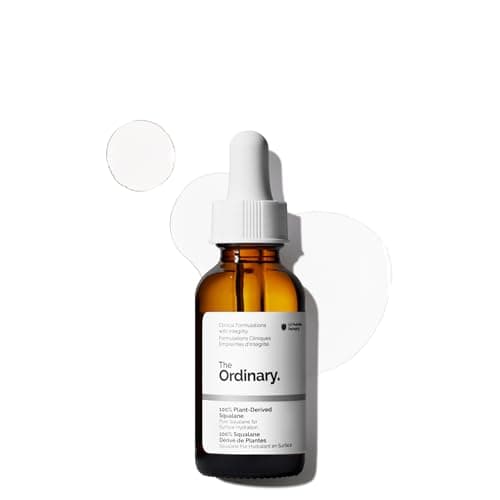
The Ordinary 100% Plant-Derived Squalane
9.2A single-ingredient, plant-derived squalane in a full 30 ml bottle at a low price, stocked almost everywhere — the default pick for most people.
Read our review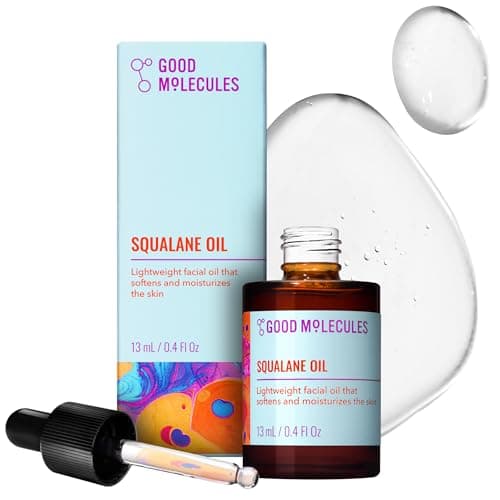
Good Molecules Squalane Oil
8.9The lowest sticker price of any 100% squalane here — but in a 13 ml bottle, so it's the cheapest way to try the ingredient, not the cheapest way to keep using it.
Read our reviewSources
Frequently asked questions
Is squalane or castor oil better for your face?
For daily facial use, squalane. It's far lighter, absorbs quickly, is commonly rated 0 to 1 on the comedogenic scale, and layers cleanly under sunscreen and makeup. Castor oil is thick and sticky, and there is little research on applying it directly to the face.
Does castor oil grow eyelashes or eyebrows?
There's no good evidence that it does. Castor oil coats and conditions hairs, which can make them look glossier and fuller, but that is a cosmetic effect rather than growth. Treat growth claims with skepticism.
Can you mix squalane and castor oil?
Yes, and diluting castor oil in a lighter carrier is generally the recommended way to use it. Squalane works well for that because it thins the mixture without adding congestion risk of its own.
Does castor oil clog pores?
It carries more risk than squalane. Castor oil is thick and occlusive, and some people report contact dermatitis from it. If your skin is breakout-prone or reactive, a lightweight, low-comedogenic oil is the safer everyday choice.
Is castor oil good for hair?
Many people like it as a heavy conditioning treatment for ends and scalp, and its clinging texture means it stays put. It won't make hair grow. If you want conditioning without the weight, squalane is the lighter alternative.
Keep reading
Ready to pick a squalane oil?
See our ranked squalane oil picks, each with a live price, cost per ounce, and who it suits.
See the best squalane oils