Squalane vs Jojoba Oil
Two of skincare's most-recommended beginner oils, side by side. One mimics your skin's whole sebum; the other is about the lightest oil going. Here's how to pick.
We may earn a commission if you buy through our links, at no extra cost to you. Prices are pulled live from Amazon and can change. How this works.
Squalane and jojoba oil are the two facial oils most people reach for first — both lightweight, both plant-derived, both gentle enough for beginners. They're shelved side by side and recommended in the same breath, which is exactly why the choice gets confusing. The honest answer is that they're more alike than different, but a few small distinctions decide which one belongs in your routine.
The quick answer
Squalane is the lighter, more universally tolerated pick — a single, ultra-stable molecule that absorbs almost instantly and sits at the very bottom of the comedogenic scale. Jojoba oil is technically a liquid wax that closely mirrors your skin's own sebum, with a slightly richer, more cushioning feel that some oily and combination skin types prefer. If you want one oil that works for nearly everyone, squalane is the safer default; if you specifically want a sebum-mimicking oil, jojoba earns its place.
Squalane vs jojoba oil at a glance
What each one actually is
Squalane starts as squalene — a lipid your own skin produces as part of sebum. Squalene oxidizes quickly, so it's unstable in a bottle. Hydrogenating it (saturating its chemical bonds) turns it into squalane: the same skin-friendly molecule, made shelf-stable and even lighter. That's the whole reason skincare uses squalane rather than squalene, and we unpack it in squalane vs squalene. Because it mirrors something skin already makes, it's well tolerated and even has mild anti-inflammatory properties that can calm redness.
Jojoba oil, by contrast, isn't really an oil at all. On a molecular level it's a liquid wax ester, and its makeup is so close to human sebum that, as Healthline puts it, your skin 'can't tell the difference.' That resemblance is jojoba's headline trait: because skin reads it as its own oil, jojoba is often described as helping signal that no extra sebum is needed — one reason it's a favorite for oily and combination skin. It's also hypoallergenic enough that allergic reactions are rare.
How they feel and absorb
This is where the daily-use difference shows up. Squalane is about as light as a facial oil gets — a couple of drops disappear in under a minute and leave a soft, almost matte finish with no slick. Jojoba is still lightweight, but its wax-ester structure gives it a fractionally richer, more cushioning slip that lingers a touch longer on the surface. Neither is greasy the way coconut or castor oil can be. If you actively dislike any residue, squalane wins; if a slightly fuller feel reassures you on drier days, jojoba delivers it.
Comedogenic rating: will either clog pores?
Both sit at the friendly end of the comedogenic scale. Squalane is commonly rated 0–1, and dermatology references describe it as noncomedogenic, so it won't clog pores. Jojoba is commonly cited around a 2 — still low, and because its makeup is so sebum-like it's considered less likely to build up and block pores. In practice both are viewed as safe for acne-prone skin, with squalane the marginally lower-risk choice. We cover what these numbers really mean in is squalane comedogenic?.
The comedogenic scale is a rough, older guide, not a guarantee — a finished formula matters more than any single number. For the lowest-variable option, a 100% single-ingredient oil (either one) keeps things simple.
Which should you choose?
- Choose squalane if you want the lightest possible finish, have sensitive or reactive skin, or want one oil that suits nearly every skin type. It's also the easiest to layer under sunscreen and makeup.
- Choose jojoba if you specifically want a sebum-mimicking oil, have oily or combination skin and like the idea of an oil your skin reads as its own, or prefer a slightly more cushioning feel.
- Either works for dry patches, hair ends, and sealing a hydrating serum — the day-to-day jobs overlap far more than they differ.
Buyer-first verdict: for most people most of the time, squalane is the safer, lighter, lower-comedogenic default — and it's the ingredient we focus on here. Jojoba is a legitimate alternative if sebum-balancing is your goal. You genuinely can't go wrong with either.
Our squalane picks
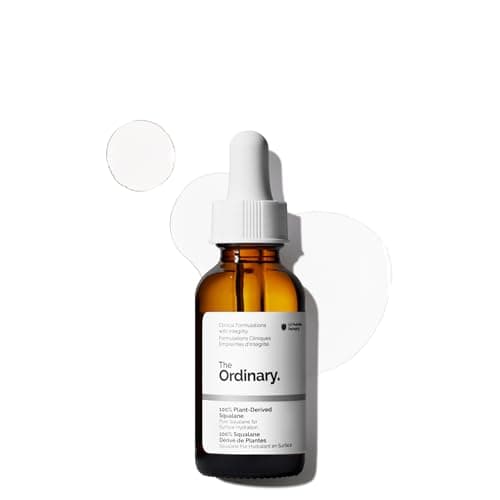
The Ordinary 100% Plant-Derived Squalane
9.2A single-ingredient, plant-derived squalane in a full 30 ml bottle at a low price, stocked almost everywhere — the default pick for most people.
Read our review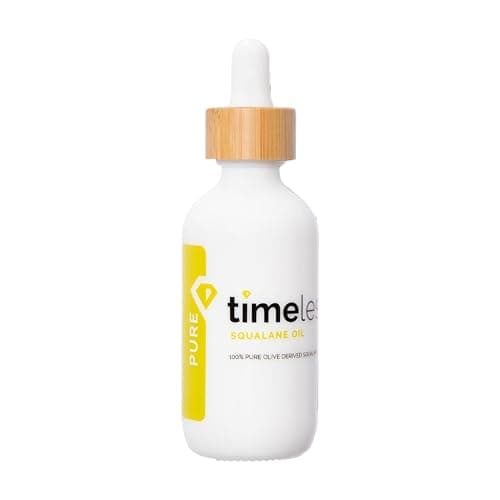
Timeless Skin Care 100% Pure Squalane
9.0A double-size, fragrance-free 100% squalane that usually lands at the lowest cost per ounce of any pick here.
Read our reviewWhat about cost?
Neither ingredient is expensive as a single-ingredient oil, and price tracks brand and bottle size far more than the molecule. Squalane ranges from very affordable budget bottles to pricier premium ones — we list the current price and cost per ounce on every squalane oil pick so you can compare like for like. Plain jojoba oil is similarly inexpensive. Because the actives are so simple, paying more mostly buys sourcing transparency, packaging, and size rather than a better result on your skin.
Can you use squalane and jojoba oil together?
Yes — they're complementary, not competing. Some people apply a sebum-balancing jojoba first and seal with a weightless squalane, or simply alternate by season. Either way, oils go near the end of your routine, after any water-based serums. Our how to use squalane oil guide has the full step order.
Sources
Frequently asked questions
Is squalane or jojoba oil better for oily skin?
Both suit oily skin. Squalane is lighter and rated slightly lower on the comedogenic scale (0–1), while jojoba's sebum-like makeup may help oily skin feel balanced. If you want the least residue, choose squalane; if you like the idea of an oil that mimics your own sebum, jojoba is a good fit.
Is jojoba oil comedogenic?
Jojoba is commonly cited around a 2 on the comedogenic scale — low, and because it closely resembles sebum it's considered less likely to clog pores. Squalane is rated marginally lower at 0–1. Both are generally considered safe for acne-prone skin; patch-test any new oil first.
Can I replace jojoba oil with squalane?
For most uses, yes. Both are lightweight, fragrance-free, plant-derived oils that hydrate and help seal in moisture. Squalane feels lighter and is a touch lower on the comedogenic scale; jojoba feels slightly richer and more sebum-like. Swap based on the finish you prefer.
Which absorbs faster, squalane or jojoba?
Squalane absorbs faster and leaves less residue thanks to its ultra-light, saturated structure. Jojoba's wax-ester makeup gives it a slightly fuller, longer-lasting slip. Both are far lighter than heavy oils like coconut or castor.
Keep reading
Ready to try squalane?
See our ranked squalane oil picks — each with a live price, cost per ounce, and who it suits.
See the best squalane oils