Squalane vs Argan Oil
Argan brings a nourishing, cushioning richness; squalane brings a weightless, low-comedogenic finish. Here's the fair comparison and a clear verdict.
We may earn a commission if you buy through our links, at no extra cost to you. Prices are pulled live from Amazon and can change. How this works.
Argan oil and squalane are both well-loved plant oils, and both are gentle enough for beginners — but they sit at slightly different points on the richness scale. Argan oil is a nourishing, vitamin E-rich oil with a fuller, more cushioning feel that dry and mature skin often adore. Squalane is a single, ultra-light molecule that absorbs almost instantly, stays stable for months, and sits very low on the comedogenic scale. The right choice comes down to how much richness your skin wants.
The quick answer: if your skin is dry, mature, or simply likes a more nourishing oil, argan is a genuinely good pick and its slightly richer feel is a feature, not a flaw. If you want the lightest possible finish, have oily or acne-prone skin, or just want one versatile oil that works for almost everyone, squalane is the safer default. They also layer well together, so this isn't strictly either/or.
Squalane vs argan oil at a glance
What each oil actually is
Squalane begins as squalene, a lipid your skin already produces. Because squalene oxidizes quickly, it's hydrogenated into squalane — the same molecule made shelf-stable and lighter. It's a single, refined ingredient, fragrance-free, with emollient and antioxidant properties and nothing else on the label. More background is in what is squalane?.
Argan oil is pressed from the kernels of the argan tree, native to Morocco. It's a true botanical oil built from a blend of fatty acids (largely oleic and linoleic) plus a notably high level of vitamin E and other antioxidants. That composition is what gives argan its nourishing reputation — and its slightly richer, more emollient feel compared with the featherweight squalane.
What argan oil does well
Argan's strength is comfort and nourishment. Its vitamin E and fatty acids make it a moisturizing, soothing oil that helps skin feel supple, and it's often associated with supporting the skin's elasticity and a smoother-looking surface over time. Its anti-inflammatory qualities can also help calm the look of redness and dry, irritated patches. For skin that feels tight, papery, or perpetually thirsty, argan's fuller cushion is exactly what it's after.
The honest caveat is that same richness. Argan takes a little longer to absorb than squalane and leaves more of a nourished, slightly dewy finish, which oily and acne-prone skin may find like too much. It's generally considered friendly to most skin types, but if you're prone to congestion, a heavier oil is worth patch-testing first. And as with any oil, argan supports and comforts skin rather than treating a medical condition.
Where squalane pulls ahead
Squalane wins on lightness, stability, and low-risk versatility. It's noticeably lighter than argan, disappearing in under a minute with a soft, near-matte finish and no scent — which makes it easy to wear under makeup, layer under sunscreen, and use on oily or breakout-prone skin. It's commonly rated 0–1 on the comedogenic scale, a touch lower than most facial oils, so it's very unlikely to clog pores; see is squalane comedogenic? for what that rating really means.
Squalane is also more shelf-stable. Its saturated structure resists oxidation, so it keeps well at room temperature for months. Argan is reasonably stable too thanks to its vitamin E, but squalane's single-ingredient simplicity and universal tolerance make it the easiest oil to hand to almost anyone, regardless of skin type.
Buyer-first verdict: dry or mature skin may genuinely prefer argan's nourishing richness. But for a light finish, for oily or acne-prone skin, and for all-round versatility, squalane wins — it's the oil that suits the widest range of people with the least fuss.
Which should you choose (or can you use both)?
- Choose squalane if you want a weightless, fragrance-free finish, have oily or acne-prone skin, or want one low-comedogenic oil that works for nearly every skin type.
- Choose argan if your skin is dry or mature and you like a richer, more cushioning, nourishing oil with a natural dose of vitamin E.
- Use both if you want the best of each — many people layer a nourishing argan on very dry areas and use lightweight squalane everywhere else, or switch to squalane in summer and argan in winter.
Our squalane picks
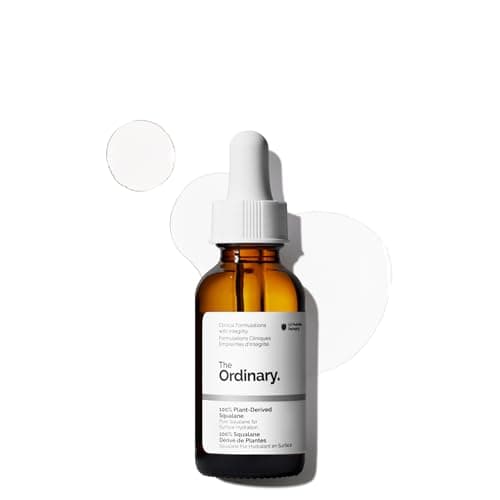
The Ordinary 100% Plant-Derived Squalane
9.2A single-ingredient, plant-derived squalane in a full 30 ml bottle at a low price, stocked almost everywhere — the default pick for most people.
Read our review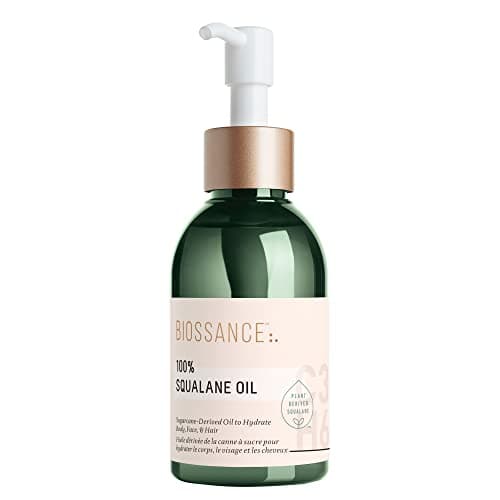
Biossance 100% Squalane Oil
8.8A sustainably sourced, sugarcane-derived squalane in a larger bottle — the polished pick if you want brand pedigree and a bigger size.
Read our reviewHow to layer them
Both are oils, so they go near the end of your routine, after any water-based serums and before or mixed into a moisturizer. If you use both, apply the lighter squalane first and the richer argan over the driest areas, or simply alternate them. On very dry skin, either oil can be pressed on over a hydrating serum to seal in water. Our squalane for dry skin and how to use squalane oil guides walk through the order step by step. Patch-test any new oil, and check with a doctor or dermatologist if you're managing a skin condition.
Sources
Frequently asked questions
Is squalane or argan oil better?
It depends on your skin. Argan is richer and more nourishing, which dry and mature skin often prefer. Squalane is lighter, fragrance-free, more shelf-stable, and sits lower on the comedogenic scale, making it the more versatile pick for oily, acne-prone, or all skin types. Many people use both.
Is argan oil comedogenic?
Argan is generally considered to sit fairly low on the comedogenic scale and suits most skin types, though it feels richer than squalane and takes longer to absorb. If you're prone to congestion, patch-test it first. Squalane is commonly rated 0 to 1 and is the lower-risk choice for clog-prone skin.
Can I use squalane and argan oil together?
Yes. A common approach is to apply lightweight squalane across the whole face and use richer argan on the driest areas, or to alternate them by season. Both go near the end of your routine, after water-based serums. Patch-test any new oil first.
Which is lighter, squalane or argan oil?
Squalane is lighter. Its single, saturated molecule absorbs almost instantly and leaves a near-matte finish, while argan's fatty-acid blend gives it a fuller, more cushioning feel that takes a little longer to sink in.
Keep reading
Ready to pick a squalane oil?
See our ranked squalane oil picks, each with a live price, cost per ounce, and who it suits.
See the best squalane oils